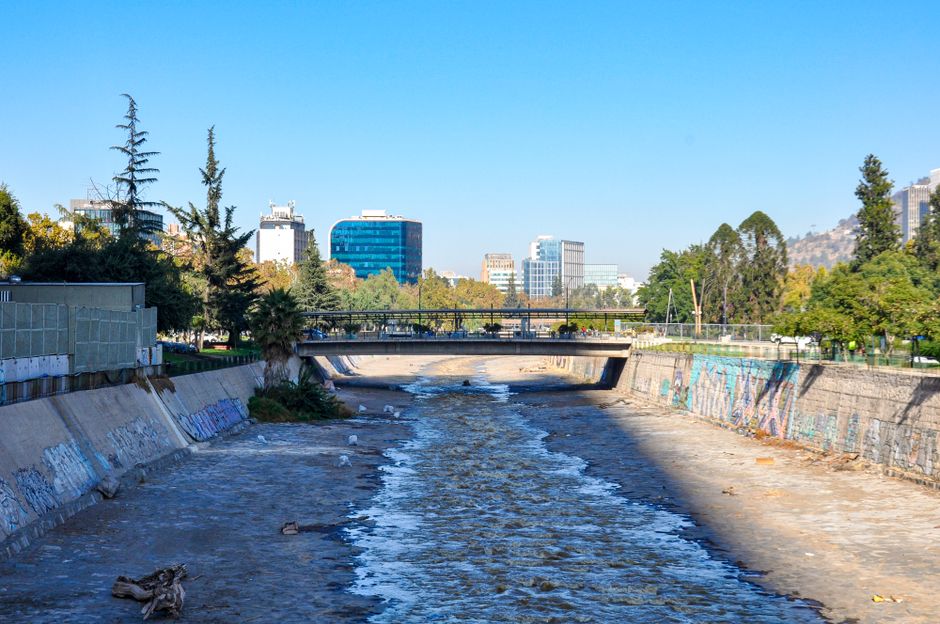
Walk through Parque Forestal on a Saturday morning and you'll witness Santiago's quiet fitness revolution. What was once a leisurely promenade for weekend strollers has transformed into a living laboratory of urban wellness, where runners of all levels navigate the park's tree-lined paths from Avenida Santa María to the Mapocho riverbank. This shift isn't accidental. Over the past three years, outdoor running in Santiago has surged by an estimated 40 percent, driven by a generation of residents seeking alternatives to expensive gym memberships and air-quality concerns that make indoor training feel increasingly disconnected from the city's natural assets.
The data tells a compelling story. Fitness tracker apps report that Santiago's most-used routes now center on three main hubs: the Parque Forestal circuit (approximately 4.2 kilometers), the hillside trails of Cerro San Cristóbal (ranging from 2 to 8 kilometers depending on route difficulty), and the emerging Parque Araucano network in Las Condes. Local running clubs have multiplied accordingly. Organizations like Club de Corredores Santiago now host weekly group runs across multiple neighborhoods, from Ñuñoa to Providencia, with membership fees hovering between 25,000 and 40,000 pesos monthly—a fraction of traditional gym costs.
What's driving this wellness trend? Partly, it's economic. Private gyms in Santiago's upscale neighborhoods charge upward of 80,000 pesos monthly, pricing out middle-income residents. But there's a cultural component too. Santiago's cycling-forward infrastructure has created a blueprint for outdoor fitness investment, and city planners have begun extending similar resources to runners. The municipality has improved lighting along key routes and installed hydration stations at strategic points near Cerro San Cristóbal's entrance on Pío Nono.
The wellness industry is responding. Specialized running stores—particularly around Avenida Providencia and in the Lastarria neighborhood—report 35 percent increases in sales of technical footwear and moisture-wicking apparel. Nutritionists and sports physiotherapists are advertising services tailored to trail runners, leveraging Santiago's reputation for excellent private healthcare and personalized wellness coaching.
Beyond metrics, there's an intangible shift happening. Running routes have become social infrastructure. Friendships form on morning jogs through Parque Forestal. Professionals decompress on Cerro San Cristóbal's panoramic trails before or after work. For a city historically dominated by car culture, these outdoor running spaces represent something deeper: a reclamation of public space for collective wellness. Santiago's fitness future, it seems, will be written outdoors.
This article was compiled by AI from the sources linked above and screened before publishing. See our editorial standards.