Santiago's Sleep Crisis: Evidence-Based Tips That Actually Work for Local Conditions
From air quality to altitude, here's what sleep science says about resting well in the capital.
From air quality to altitude, here's what sleep science says about resting well in the capital.
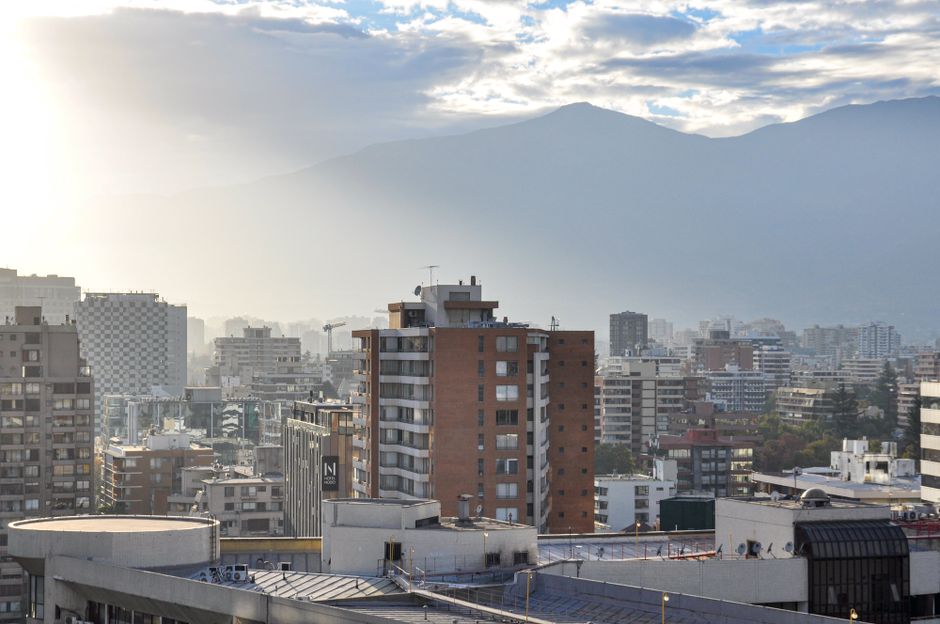
Sleep troubles in Santiago aren't imaginary. Between the city's notorious air pollution spikes, high altitude (570 metres above sea level), irregular schedules driven by commute times from suburbs like Puente Alto and Maipú, and evening temperatures that linger above 20°C even in winter, residents face distinct challenges that generic sleep advice ignores.
The good news: science offers practical solutions tailored to our specific environment.
Combat Air Quality Impact
Santiago's PM2.5 levels regularly spike, particularly between May and August. Poor air quality disrupts sleep architecture and increases sleep fragmentation. The evidence-based response: use HEPA-filter air purifiers in bedrooms—essential during high-pollution alerts—and check the daily air quality index (available via Chile's SINCA system) before opening windows at night. If levels exceed 100 micrograms per cubic metre, keep windows sealed and run filtration instead.
Adjust for Altitude Effects
Santiago's elevation means slightly lower oxygen availability, which can trigger restlessness in new residents and those sensitive to altitude. Allow two to three weeks for acclimatisation. Meanwhile, moderate evening exercise (a walk through Parque Forestal rather than intense cycling on Cerro San Cristóbal) helps without over-stimulating the nervous system before bed.
Manage the Long Commute Reality
Workers travelling from outer communes spend 90-120 minutes daily on public transport or driving. This exhaustion tempts napping—but evidence shows afternoon naps longer than 20 minutes degrade nighttime sleep quality. Instead, use commute time for podcasts or audiobooks, arriving home mentally rather than physically tired.
Leverage Local Food Timing
Chilean dinner culture (8-9pm) clashes with sleep science, which recommends finishing food three hours before bed. Shift your largest meal to lunch—a significant advantage since Santiago's markets (La Vega, Santa Isabel) offer exceptional fresh vegetables and proteins. A light evening snack aligns better with biology than a full once dinner.
Use Temperature Strategically
Santiago's warm evenings require active cooling. Bedroom temperatures between 16-19°C optimise sleep. If air conditioning is unavailable, cotton sheets and strategic window management (early morning and late evening opening when air quality permits) provide evidence-backed alternatives.
Stabilise Your Schedule
Weekend schedule shifts destroy sleep consistency in a city where many work irregular hours. Maintaining consistent sleep and wake times—even on weekends—produces measurable improvements in sleep quality within two weeks, regardless of external conditions.
These aren't universal tips adapted to Santiago. They're science responding to what actually happens here.
This article was compiled by AI from the sources linked above and screened before publishing. See our editorial standards.
How does this story make you feel?
Spread the word
About this article
Published by The Daily Santiago
Daily brief
Free, in your inbox before 7am. Weekdays.
More in Wellness