How to start a walking group in your neighbourhood
From route planning to building momentum, here's what you need to know to launch a community walking initiative in Santiago.
From route planning to building momentum, here's what you need to know to launch a community walking initiative in Santiago.
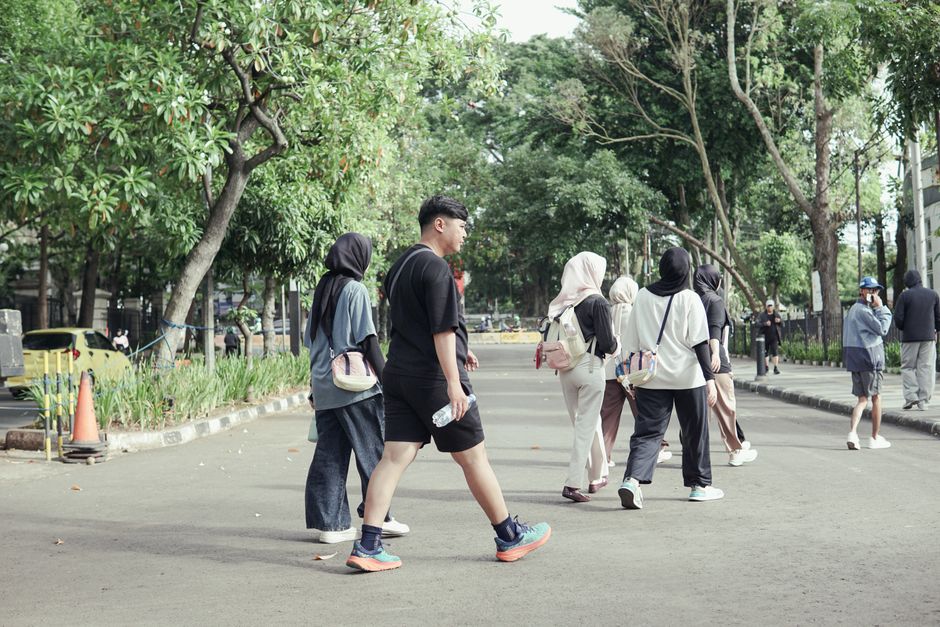
Walking groups have become one of Santiago's most accessible wellness trends, transforming solitary strolls into social fitness experiences. Whether you're in Ñuñoa, Providencia, or Las Condes, starting a neighbourhood walking group requires minimal investment but thoughtful planning.
Begin by identifying your territory and ideal route. Those in the eastern suburbs have natural advantages—Cerro San Cristóbal park attracts walkers year-round, while Parque Forestal offers a tree-lined 1.5-kilometre loop perfect for groups of varying fitness levels. Western neighbourhoods like Quinta Normal benefit from their own green spaces and quieter residential streets. Survey your immediate area for safe, well-lit paths and decide on distance: most successful groups start with 3 to 5 kilometres, achievable for people aged 50 to 80, the demographic most engaged in community walking initiatives locally.
Logistics matter. Choose a consistent day and time—Saturday or Sunday mornings work well, avoiding peak traffic hours. Register informally with your junta de vecinos (neighbourhood association) or post flyers at local pharmacies, bakeries, and supermarkets along your planned route. In Santiago's digital-first culture, creating a WhatsApp group costs nothing and reaches neighbours efficiently. Include basic details: meeting point, distance, estimated duration, and contact information.
Safety considerations are non-negotiable. Walk your route beforehand to identify potential hazards—uneven pavements, busy intersections, poorly lit sections. Groups of 6 to 12 people are ideal; they're manageable yet visible to traffic. Encourage participants to wear bright clothing and carry water, especially during summer months when temperatures exceed 30°C. Partner with local pharmacies or health clinics—many offer minor sponsorship for community groups and can provide first-aid support.
Building momentum requires consistency and inclusivity. Keep the pace moderate, allowing for conversation. Some groups alternate between walking and educational stops—at local markets to discuss seasonal produce, or at heritage sites to learn neighbourhood history. This transforms exercise into community engagement, increasing retention.
Consider minimal membership dues (CLP$5,000–10,000 monthly) if the group grows, covering printed maps, water stations, or small incentives like reusable water bottles. Many successful Santiago groups partner with local gyms or wellness centres offering discounts for members.
The beauty of neighbourhood walking groups lies in their simplicity: they require no equipment beyond comfortable shoes, no gym membership, and no technical expertise. They address what health professionals increasingly emphasize—that consistent, moderate activity performed socially yields better long-term adherence than solitary exercise. In a city with excellent healthcare infrastructure but sedentary urban habits, your walking group becomes both preventive medicine and community building.
Start small, stay consistent, and let word-of-mouth grow your initiative organically.
This article was compiled by AI from the sources linked above and screened before publishing. See our editorial standards.
How does this story make you feel?
Spread the word
About this article
Published by The Daily Santiago
Daily brief
Free, in your inbox before 7am. Weekdays.
More in Wellness