How Santiago runners built lasting fitness into their daily commute
Local athletes reveal the simple routines that turned exercise from a weekend chore into an integrated part of life.
Local athletes reveal the simple routines that turned exercise from a weekend chore into an integrated part of life.
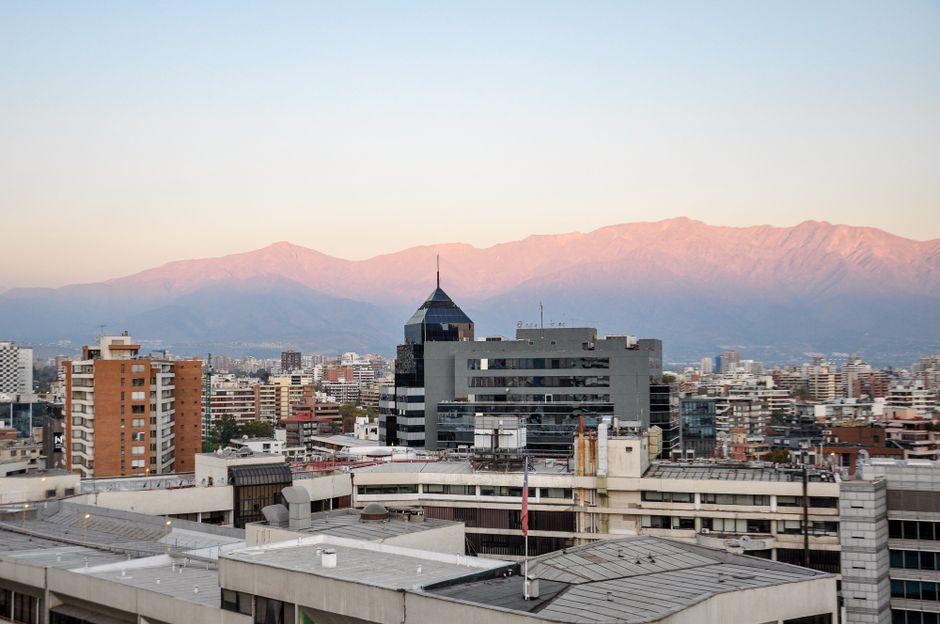
In Santiago's bustling neighbourhoods, a quiet shift has taken place over the past few years. Rather than squeezing gym sessions into already packed schedules, many residents have woven running into their daily fabric—turning commutes, lunch breaks, and evening routines into opportunities for movement.
The pattern is visible across the city's most accessible green spaces. Parque Forestal, stretching through the heart of Santiago, has become a de facto office for professionals who've adopted the habit of running before work. The tree-lined paths along Avenida Santa María offer a natural coolness that makes early morning runs feasible even as temperatures climb. Meanwhile, the cycling culture that dominates neighbourhoods like Ñuñoa and Providencia has created safer street infrastructure—wider bike lanes and lower traffic speeds—that benefit runners too.
What distinguishes successful local runners isn't intensity; it's consistency built through accessibility. Those living near Cerro San Cristóbal park have tapped into its 864 hectares as a training resource, but locals note that the real advantage lies in proximity. A runner in Lastarria can step out the door and be on a trail within five minutes. This removes friction. No travel time to a gym means higher adherence rates, which research consistently shows matters far more than occasional high-effort sessions.
The fresh produce markets—from Vega Central to smaller neighbourhood ferias—have become part of the fitness equation too. Many runners incorporate a post-run market visit into their routine, combining exercise with meal planning. It's a practical habit that addresses both activity and nutrition simultaneously, without requiring separate time blocks.
Cost remains a barrier for some. Santiago's private health clubs range from 45,000 to 120,000 pesos monthly, pricing many residents out. Public spaces like Parque Forestal remain free, though some prefer joining local running clubs that charge modest membership fees—typically 25,000 to 40,000 pesos annually—for structured group sessions and community accountability.
The habit sticks when it solves a problem beyond fitness. A runner heading to Costanera Center for work can take the route through Parque Metropolitano. Someone needing groceries in Providencia can time a run around those errands. These integrated routines—where exercise becomes incidental to daily life rather than separate from it—appear to be what separates casual attempts from sustained practice.
For those starting out, local wellness professionals recommend beginning with neighbourhood familiarity rather than distance. Know your street routes before hitting park trails. Build the habit first; optimize the route later.
This article was compiled by AI from the sources linked above and screened before publishing. See our editorial standards.
How does this story make you feel?
Spread the word
About this article
Published by The Daily Santiago
Daily brief
Free, in your inbox before 7am. Weekdays.
More in Wellness