Five Evidence-Based Stress Management Techniques That Actually Work in Santiago's Urban Environment
Forget generic wellness advice—these science-backed mindfulness strategies are designed for Santiago's specific climate, geography, and pace of life.
Forget generic wellness advice—these science-backed mindfulness strategies are designed for Santiago's specific climate, geography, and pace of life.
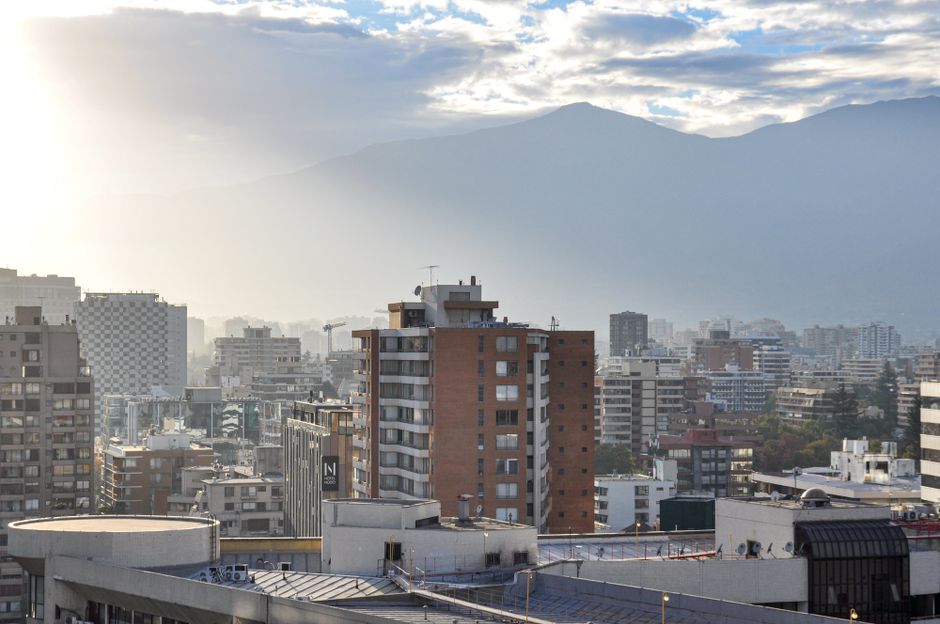
Santiago's rapid urbanisation and traffic congestion have created measurable mental health challenges. According to recent data from Chile's health ministry, anxiety and stress-related conditions increased 23% in metropolitan areas between 2022 and 2025. Yet many wellness recommendations ignore local realities. Here are five evidence-based approaches tailored to Santiago's conditions.
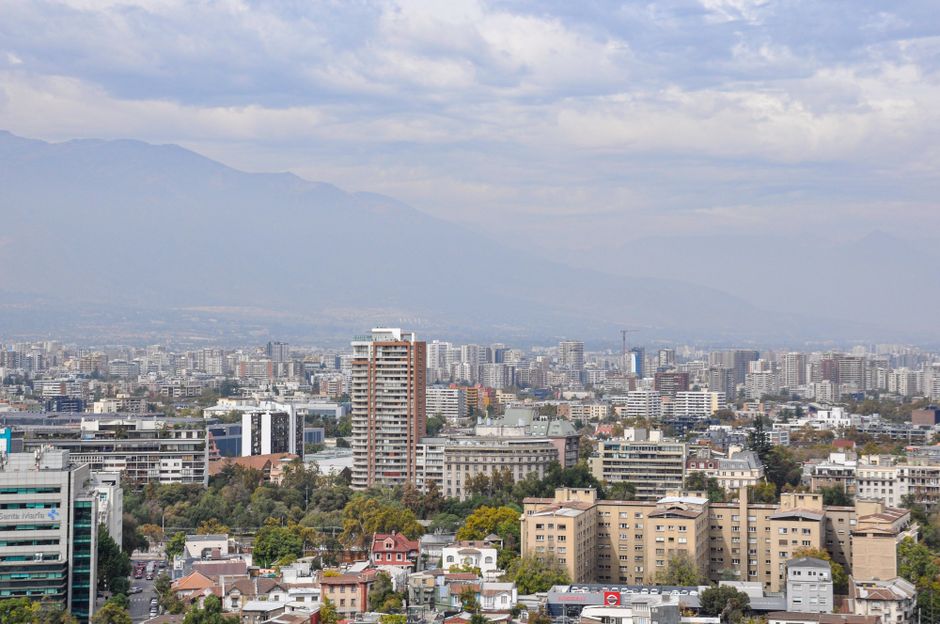
1. Leverage altitude for breathing work Cerro San Cristóbal's elevation (860 metres) creates naturally thinner air—ideal for practising controlled breathing techniques without the physiological stress of extreme altitude. Research published in the Journal of Environmental Psychology confirms that combining breathing exercises with panoramic views reduces cortisol levels more effectively than indoor meditation alone. The 20-minute walk up the main trail doubles the benefit by incorporating gentle movement.
2. Time your outdoor exposure strategically Santiago's intense afternoon sun and winter smog require smart scheduling. Morning walks along Parque Forestal between 7–8am provide natural light exposure (essential for circadian regulation) while avoiding peak UV and pollution hours. A 2024 study from the University of Chile found that consistent early morning exposure reduced seasonal mood variation by 31% in metropolitan residents.
3. Use cycling as active meditation Santiago's expanding ciclovía network transforms commuting into structured mindfulness. Unlike gym-based exercise, cycling on dedicated lanes engages sensory awareness—terrain changes, weather variations, urban soundscapes—which activates the same parasympathetic response as formal meditation. The Ciclovía del Mapocho route offers 20km of relatively low-traffic exposure.
4. Create a daily produce-market ritual Weekly visits to neighbourhood markets like those in Ñuñoa or Providencia serve dual purposes. Sensory engagement with fresh produce (colours, textures, aromas) activates mindful attention, while the social interaction combats isolation—a leading stress factor. The sensory richness of Chilean fruit markets provides free environmental enrichment backed by attention restoration theory.
5. Establish a consistent sleep schedule accounting for seasonal light changes Santiago's 14-hour summer days and 10-hour winter days dramatically shift circadian rhythms. Evidence-based sleep hygiene requires adjusting bedtime by 30–45 minutes seasonally. Apps like those used by patients at private clinics in Las Condes now incorporate local sunset data for personalised recommendations.
These approaches work because they acknowledge Santiago's specific geography, climate, and culture rather than importing generic wellness frameworks. Mental health support remains essential—your GP can recommend licensed psychologists—but these evidence-based practices build resilience within your daily environment.
This article was compiled by AI from the sources linked above and screened before publishing. See our editorial standards.
How does this story make you feel?
Spread the word
About this article
Published by The Daily Santiago
Daily brief
Free, in your inbox before 7am. Weekdays.
More in Wellness