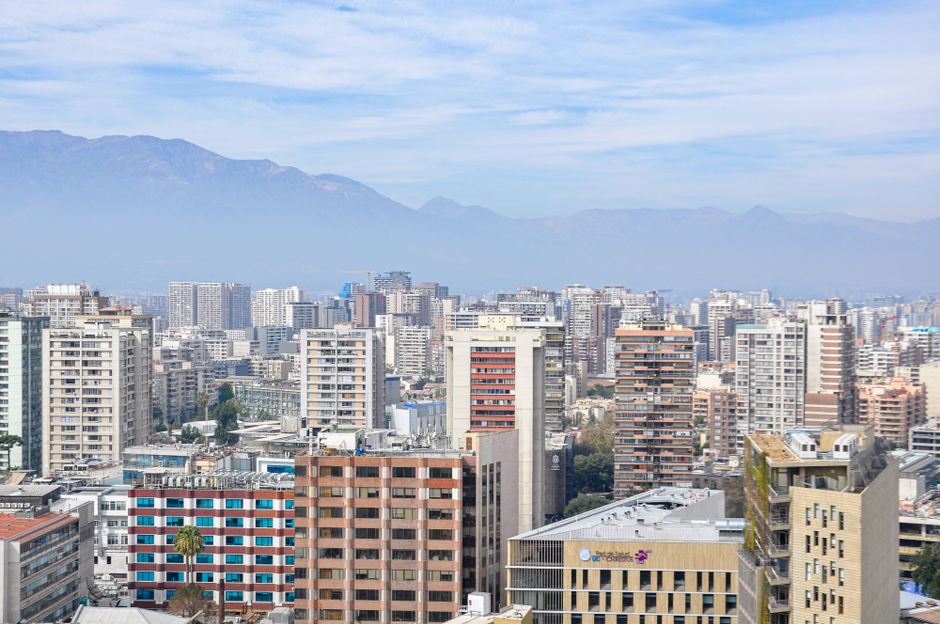
As mental health awareness grows across Santiago's professional districts—from Providencia's corporate offices to the creative hub around Lastarria—more people are turning to mindfulness as a stress management tool. But beyond the wellness marketing, what does the science actually tell us about whether these practices work?
Recent neuroscience research provides compelling evidence. Brain imaging studies using fMRI technology show that regular mindfulness meditation physically alters the prefrontal cortex, the region responsible for emotional regulation and decision-making. A landmark 2023 meta-analysis published in the journal JAMA Psychiatry analysed 218 randomized controlled trials and found mindfulness-based interventions reduced anxiety symptoms as effectively as standard antidepressants for mild to moderate cases—without pharmacological side effects.
The mechanisms are increasingly understood. When we practise mindfulness, we're essentially training the amygdala—our brain's threat-detection centre—to respond less reactively to stressors. Studies show that after eight weeks of consistent practice, activity in the amygdala decreases measurably. Simultaneously, the default mode network, which fires when our minds wander and ruminate, becomes less active. This neuroplasticity effect is dose-dependent: research indicates 10-20 minutes daily produces measurable changes, while sporadic practice shows minimal benefit.
For Santiaguinos dealing with urban stress, this matters. A 2024 study by the Universidad de Chile's psychology department found that 67% of metropolitan residents report significant work-related stress, with commuting times across the city averaging 45 minutes daily. The good news: neuroscience shows that even brief mindfulness interventions—a five-minute breathing exercise at Parque Forestal before work, or a guided practice during lunch breaks—activate the parasympathetic nervous system, lowering cortisol levels within minutes.
Local healthcare providers increasingly recognize this. Several clinics in Providencia and Ñuñoa now integrate mindfulness-based stress reduction (MBSR) into treatment plans, with many offering sessions ranging from 40,000 to 80,000 CLP for eight-week courses. The investment appears justified: clinical research shows MBSR participants report 40% reductions in stress scores compared to control groups.
The research isn't without nuance. Mindfulness works best as part of a comprehensive approach including sleep, movement, and social connection. It's not a substitute for professional mental health treatment when depression or anxiety disorders are present. But for managing everyday stress and building resilience, the neurological evidence is robust and growing.
For anyone curious about evidence-based approaches, consulting with a local healthcare provider or psychologist can help determine whether mindfulness practices align with your specific needs and circumstances.
This article was compiled by AI from the sources linked above and screened before publishing. See our editorial standards.