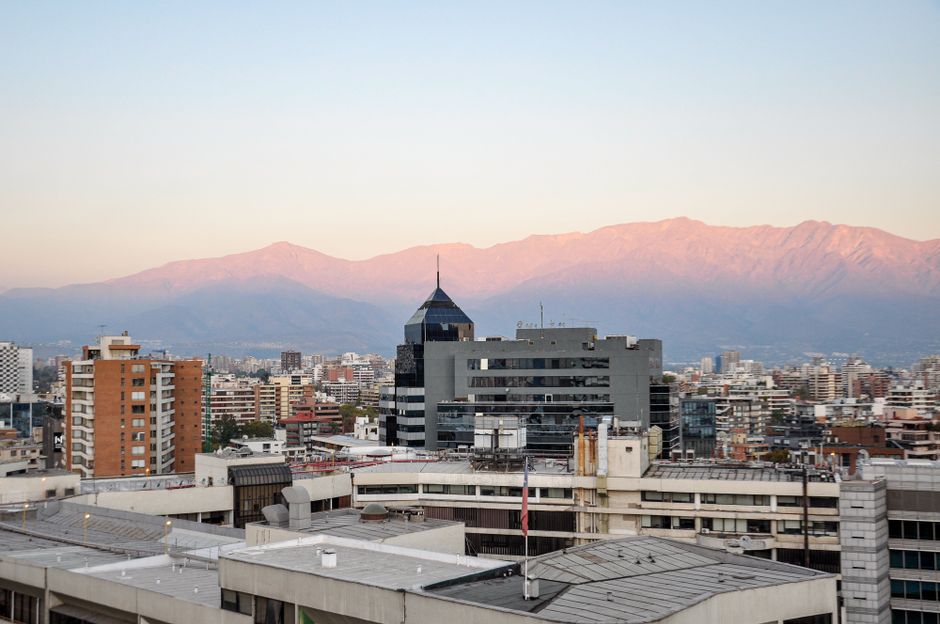
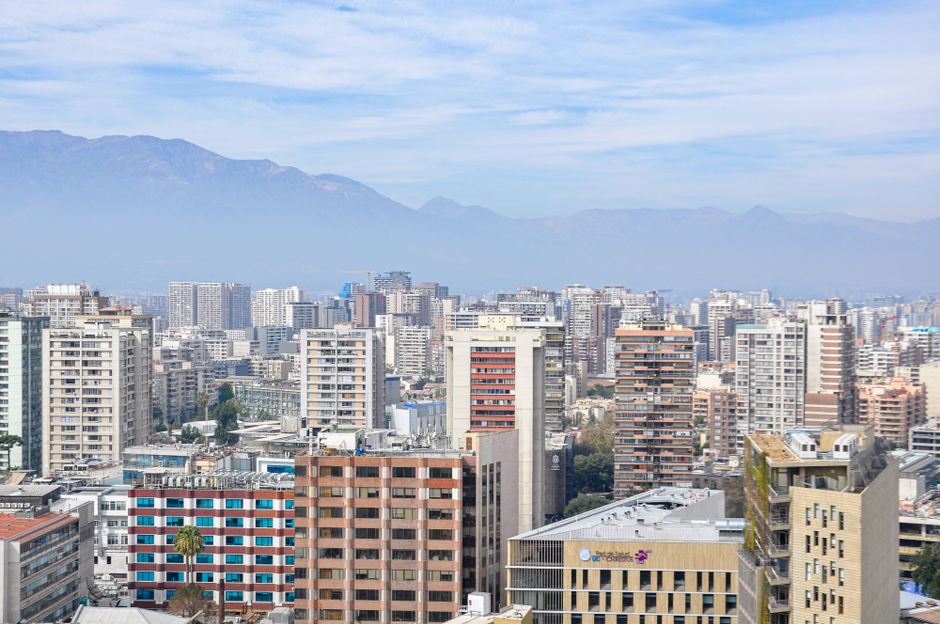
Walk through Parque Forestal on any weekday morning and you'll notice a shift. Alongside the lycra-clad millennials and joggers in their thirties, there's a growing cohort of silver-haired residents moving with purpose: power-walkers with Nordic poles, cyclists in their seventies, tai chi practitioners gathering near the Museo de Bellas Artes. This isn't coincidence. Santiago is experiencing a quiet revolution in how its older population approaches health, and the city's wellness sector is racing to keep pace.
The numbers tell the story. Chile's population aged 60 and over now exceeds 18 percent—up from 12 percent a decade ago—and metropolitan Santiago concentrates the highest proportion of active seniors in the region. What's changed isn't just demographics; it's mindset. Where previous generations viewed retirement as a withdrawal from active life, today's 60+ Santiaguinos are treating it as a launchpad for fitness goals they postponed during their working years.
The city's natural geography has become an asset. Cerro San Cristóbal, long popular with tourists, now hosts structured hiking programs specifically designed for mobility and endurance in older adults, with gentler trail options and rest stations. Local municipalities, particularly in Ñuñoa and Providencia, have invested in improving pathway accessibility across Parque Forestal, responding directly to increased demand from this demographic. The cycling culture that defines Santiago—already robust among younger residents—is seeing parallel growth in the 55+ bracket, with bike rental services reporting a 34 percent increase in users over 60 in the past 18 months.
Private healthcare providers have noticed. Clinics specializing in sports medicine and geriatric wellness across Las Condes and the eastern neighborhoods are expanding their senior-specific programs. Physical therapy for mobility enhancement, strength conditioning adapted for aging joints, and preventive assessments have become standard offerings. The cost ranges from 80,000 to 150,000 pesos monthly for structured programs—a significant investment that reflects Santiago's relatively affluent aging population.
What's driving this isn't vanity or escapism. Conversations with fitness professionals suggest Santiago's seniors view mobility and activity as fundamental to independence and dignity. The city's vibrant fresh produce markets—from La Vega to neighborhood ferias—are increasingly becoming wellness destinations, with older residents treating weekend shopping as social and physical engagement rather than errands.
As Santiago ages, this wellness trend isn't peripheral: it's reshaping how the capital's neighborhoods think about public spaces, healthcare investment, and the very meaning of retirement itself.
This article was compiled by AI from the sources linked above and screened before publishing. See our editorial standards.