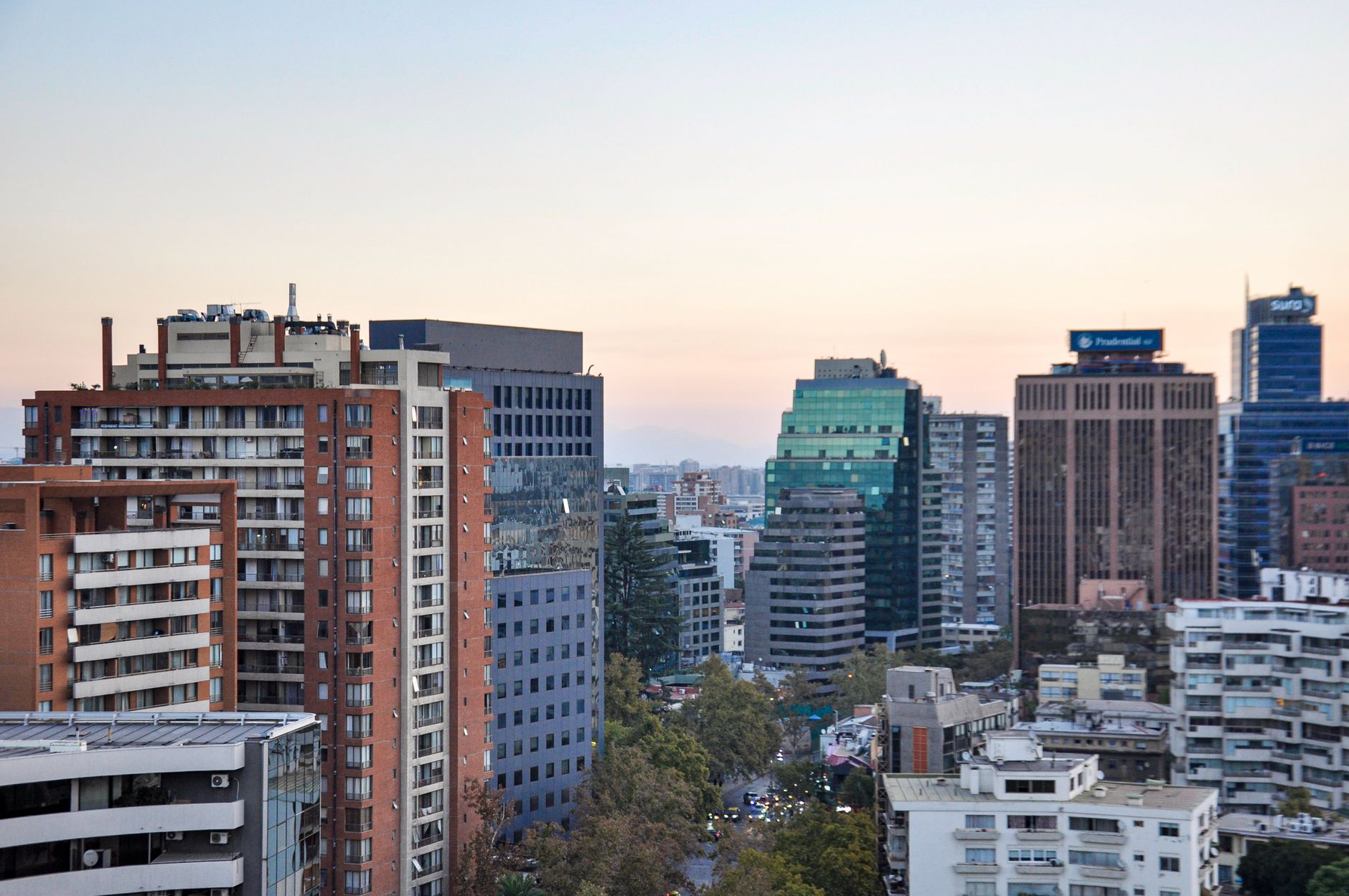
Walk down Merced Street in the heart of Lastarria on any given afternoon, and you'll spot the telltale signs of Santiago's thriving startup ecosystem: young professionals hunched over laptops in artisanal cafés, venture capital firms occupying converted colonial buildings, and the unmistakable energy of ambition colliding with opportunity.
It's in this neighborhood that María Fernanda Vásquez launched Nexus Fintech four years ago from a modest garage space, transforming what began as a side project into one of Latin America's fastest-growing financial technology platforms. Today, valued at $380 million and backed by investors including Andreessen Horowitz and local heavyweight Fondo de Inversión Privada, Nexus has processed over $2.8 billion in transactions across Chile, Peru, and Colombia—a remarkable trajectory that underscores Santiago's emergence as a genuine innovation powerhouse.
"Santiago used to be overlooked," Vásquez reflected during a recent panel at the Fundación País Digital offices in Providencia. "But we have the talent, the capital, and increasingly, the infrastructure. The question was never whether we could compete—it was whether we'd believe we could."
The numbers support her optimism. Santiago's startup ecosystem generated $1.2 billion in venture funding last year, a 47 percent increase from 2024, according to data from Endeavor Chile. The innovation district—spanning Lastarria, Bellavista, and portions of Ñuñoa—now hosts over 850 registered startups, 120 tech incubators and accelerators, and a growing cluster of multinational tech companies establishing regional hubs.
Vásquez's success story has catalyzed a broader transformation. Her company's decision to maintain its headquarters here, rather than relocating to Miami or New York, sent a powerful signal to the local ecosystem. Nexus now employs 280 people across Santiago, with plans to double its workforce by 2027. The company recently signed a lease on a 12,000-square-meter space in the emerging Quinta Normal tech corridor, signaling confidence in the city's long-term innovation potential.
"What's happening in Santiago is real," notes Carlos Mendoza, partner at Moneda Ventures, one of the region's most prominent investment firms. "We're seeing founders who refuse to leave, who believe their city can be a global player. That shift in mindset changes everything."
As Santiago continues to position itself as Latin America's tech capital, entrepreneurs like Vásquez aren't just building profitable companies—they're rewriting the narrative about what's possible when talent, ambition, and local conviction converge in a mid-sized city on the Pacific coast.
This article was compiled by AI from the sources linked above and screened before publishing. See our editorial standards.