Santiago faces a familiar problem shared by booming cities worldwide: where to house a growing population without destroying the character of established neighbourhoods. The stakes have never higher, with median apartment prices in Las Condes now exceeding $450,000 and monthly rents in central areas consuming 35-40% of middle-class incomes.
The municipal government's recently updated housing framework, unveiled this spring, attempts to address supply shortages through zoning reforms in traditionally residential areas like Ñuñoa and Providencia. Yet the approach reveals how Santiago is both learning from and diverging from international precedents.
Toronto's experience looms large in conversations among city planners. The Canadian metropolis legalized duplexes and triplexes across single-family zones in 2023, a move that sparked fierce community backlash but ultimately increased housing supply by 12% within two years. Santiago officials have studied this model closely, with the Ministry of Housing recently commissioning a comparative analysis of medium-density development policies across the Americas.
Barcelona's approach offers a different template. Rather than wholesale rezoning, the European city has focused on adaptive reuse of industrial areas and strict requirements that new developments include affordable units—a "inclusionary zoning" model now being piloted in Santiago's Estación Central neighbourhood, where developers must allocate 15% of units for low-income households.
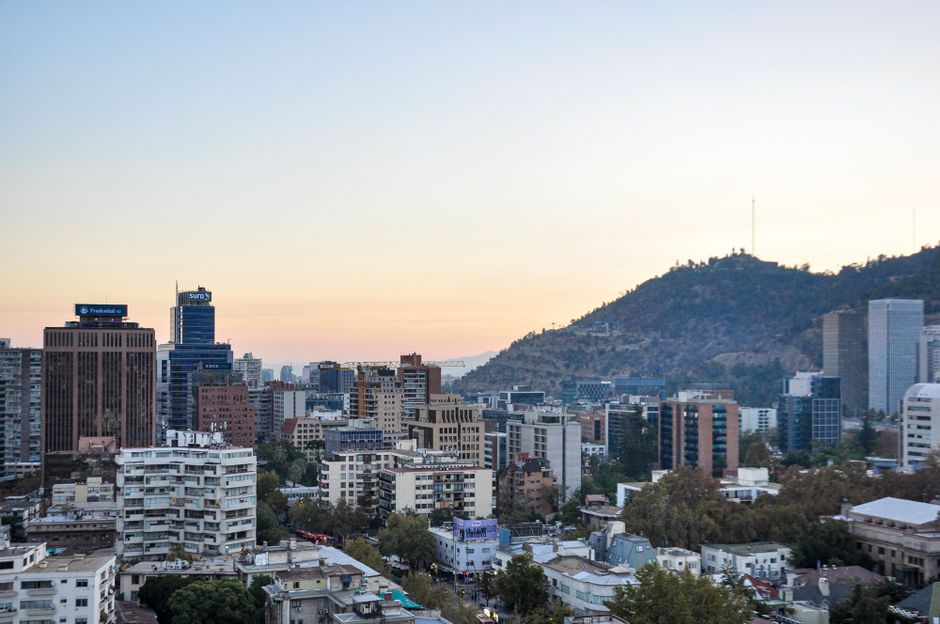
But Santiago's own constraints differ markedly. Geographic limitations—hemmed by the Andes to the east and the Mapocho river corridor to the north—mean vertical growth seems inevitable. Yet unlike Singapore or Hong Kong, where high-rise living is culturally normalized, Santiago's predominantly middle-class suburbs have fiercely resisted apartment blocks on residential streets.
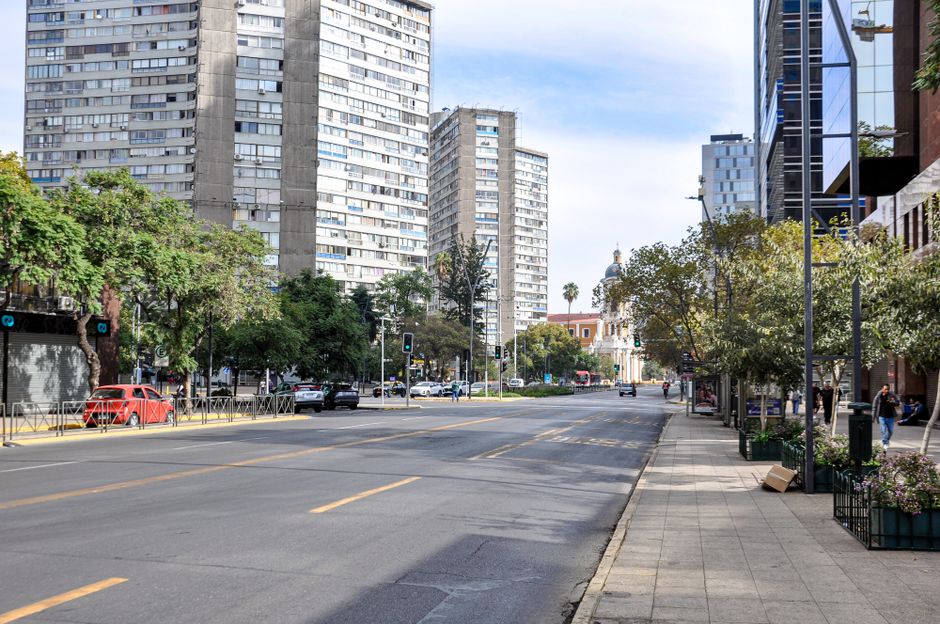
The city's Metropolitan Planning Institute has proposed a middle path: allowing four-storey mixed-use buildings along major avenues like Avenida Apoquindo and Avenida Providencia, while protecting lower-density character on secondary streets. This gradual infill strategy mirrors approaches in Portland and Vancouver, though enforcement remains uncertain given Santiago's history of irregular development.
Data from the National Institute of Statistics shows Santiago added roughly 28,000 housing units annually from 2018-2023, yet demand for affordable stock outpaces supply by nearly 3-to-1. Experts warn that without more aggressive policy shifts—or substantial investment in public transit to enable development further from the centre—the city risks repeating mistakes made by Mexico City and São Paulo, where sprawl and congestion worsened housing affordability.
The question now is whether Santiago's planners will maintain political will for unpopular but necessary reforms, or retreat to the safer ground of token measures that satisfy neither housing advocates nor neighbourhood groups.
This article was compiled by AI from the sources linked above and screened before publishing. See our editorial standards.