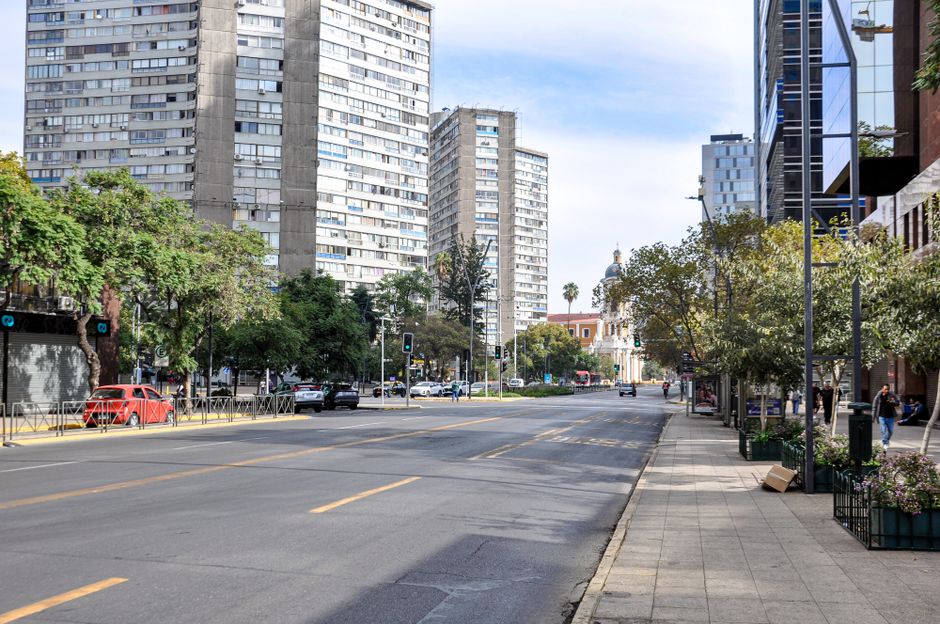
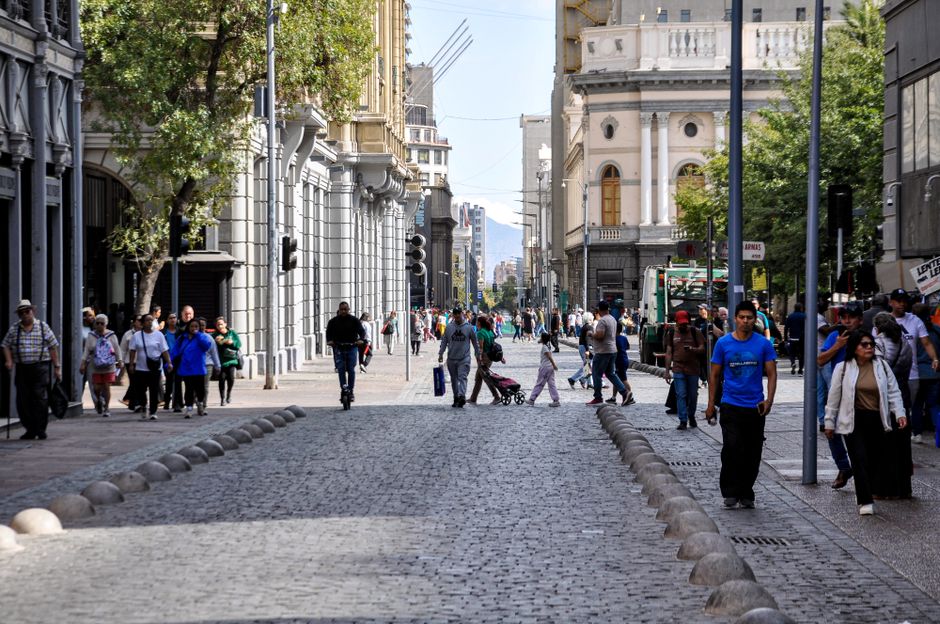
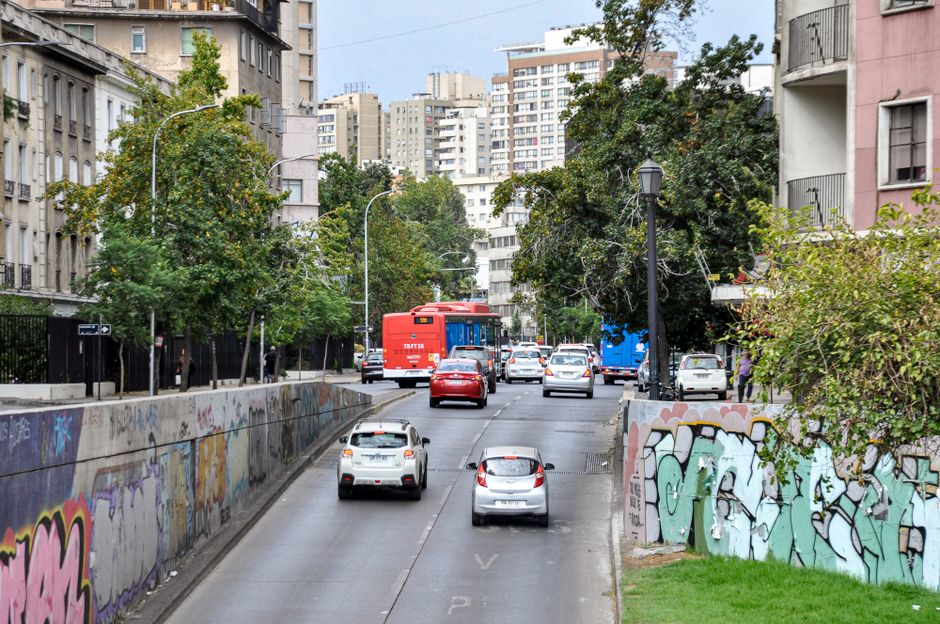
When a building collapse occurred near Plaza de Armas last April, Santiago's emergency response teams were on scene within eight minutes. It's a statistic that would seem routine in some global capitals, but in cities facing similar infrastructure pressures and population density, it represents a strategic advantage that officials here have deliberately cultivated.
The city's Integrated Emergency Operations Centre (CECO), located in the Lastarria neighbourhood, coordinates between police, fire services, paramedics, and municipal authorities in real time—a unified command structure that distinguishes Santiago from comparable metropolitan areas in São Paulo, Buenos Aires, and even parts of Europe.
"What we've done is eliminate the silos," explains the head of Santiago's municipal safety division. "In many cities globally, you still have separate dispatch systems. A fire in the Bellavista district might take longer to receive medical backup because those services operate independently." The CEOC model, implemented across Santiago's 52 municipalities, reduced average emergency response times by 34 per cent over five years.
But Santiago hasn't simply imported solutions. Local crime prevention programs in neighbourhoods like La Pintana and San Ramón have adopted community-based patrols alongside official policing—an approach drawing interest from safety officials in Madrid and Melbourne. These barrio committees work with municipal police to identify at-risk areas, with funding allocated through participatory budgeting processes that have become a template for Latin American cities.
The numbers reflect this coordination. Property crime rates in Santiago, while still significant at roughly 2,847 incidents per 100,000 residents annually, remain lower than in similar-sized cities like Bogotá (3,200) and comparable to Barcelona (2,650). Violent crime rates sit at 347 per 100,000—placing Santiago below global peers facing gang violence and organised crime surges.
Yet challenges persist. Crowded conditions during metro strikes—which affected commuters heading to the business district along Avenida Providencia last month—still strain police resources. Gang activity in peripheral zones around Puente Alto continues to challenge preventative strategies. And budget constraints mean the CEOC operates with technology roughly two years behind leading global standards.
International delegations from São Paulo's military police and Toronto's emergency services have visited Santiago this year to study its approach. Meanwhile, the city continues refining its model, with new AI-powered predictive policing software rolling out across the Mapocho precinct by August.
What Santiago demonstrates is that global best practice isn't simply replication—it's adaptation.
This article was compiled by AI from the sources linked above and screened before publishing. See our editorial standards.