Santiago's 911 Response Crisis: Why Every Neighbourhood Feels the Squeeze
As emergency call volumes surge 34% year-on-year, residents and business owners across the capital face longer waits and harder choices about personal safety.
As emergency call volumes surge 34% year-on-year, residents and business owners across the capital face longer waits and harder choices about personal safety.
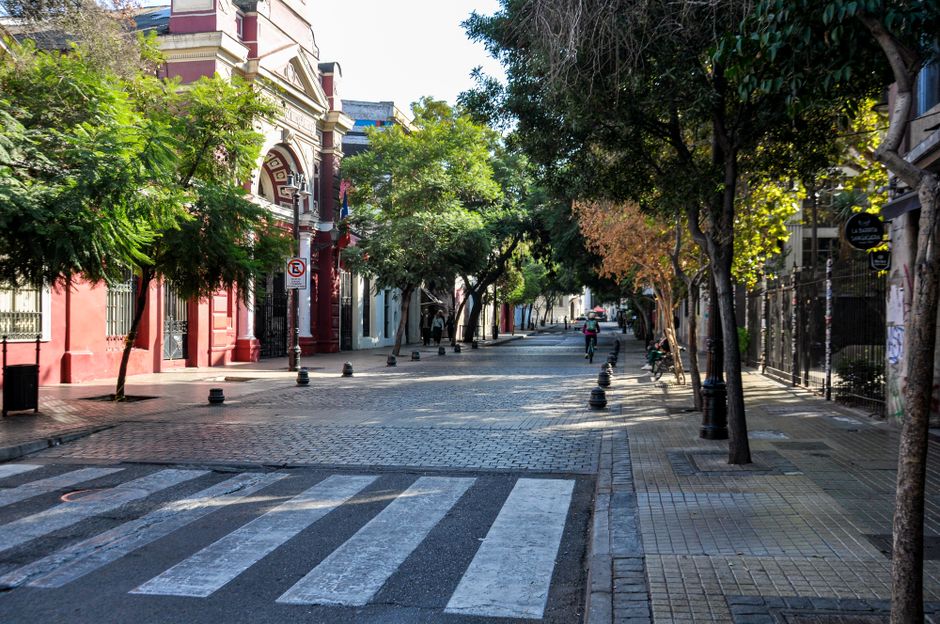
When a break-in occurred at the Jumbo supermarket on Avenida Providencia at 2:15 a.m. last Tuesday, security staff waited 22 minutes for police to arrive. By the time officers reached the scene, the suspects had vanished with merchandise worth an estimated 850,000 pesos. The incident was neither unusual nor isolated—it reflects a mounting crisis in Santiago's emergency response infrastructure that's reshaping how residents perceive safety across the city.
Data obtained from the Carabineros indicates that average response times in high-density areas like Ñuñoa and Las Condes have climbed to 18 minutes, up from 12 minutes in 2024. In outer neighbourhoods like Puente Alto and San Bernardo, the figure reaches 25 minutes or more. For context, experts recommend emergency response within 10 minutes for serious crimes.
The pressure extends beyond policing. Hospital emergency departments are buckling under demand. The San Borja Clinical Hospital's trauma unit reported handling 340 cases monthly in 2024; that figure now stands at 418. Ambulance dispatch times from the Fire Department's central station on Teatinos Street have similarly deteriorated, with non-critical calls now averaging a 19-minute wait versus the target of eight minutes.
The consequences ripple through daily life. Small business owners in Santiago Centro are investing in private security—expenses that typically run 280,000 to 450,000 pesos monthly per storefront, a burden that trickles into consumer prices. Residents in neighbourhoods like Estación Central and Quinta Normal report cancelled evening social plans and increased requests for rideshare pickups rather than public transport use.
Why it matters locally: Santiago's economy depends on a functioning safety net. Tourism revenue declined 8.3% in the first quarter of 2026 partly due to visitor concerns about street crime. Property values in traditionally stable areas like Barrio Italia have plateaued, affecting families' ability to build equity. Young professionals considering relocation weigh Santiago's emergency infrastructure against other South American capitals.
The city's rapid growth—population increased 12% between 2020 and 2025—has outpaced emergency service expansion. The municipality allocated 2.4 billion pesos for new police stations and ambulances in this year's budget, but implementation lags. The proposed Carabineros precinct for San Miguel remains in planning stages after three years.
Community organizations like Fundación Seguridad Ciudadana are pushing municipal leadership to treat emergency response as essential infrastructure investment, comparable to transport or water systems. Without action, residents warn, Santiago risks becoming a city where safety feels negotiable rather than assured.
This article was compiled by AI from the sources linked above and screened before publishing. See our editorial standards.
How does this story make you feel?
Spread the word
About this article
Published by The Daily Santiago
Daily brief
Free, in your inbox before 7am. Weekdays.
More in News