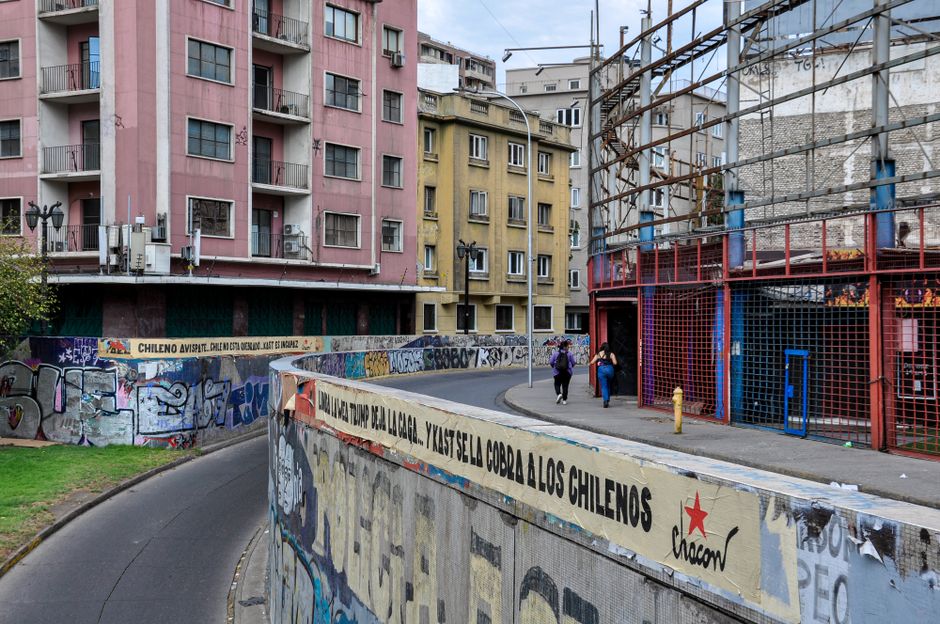
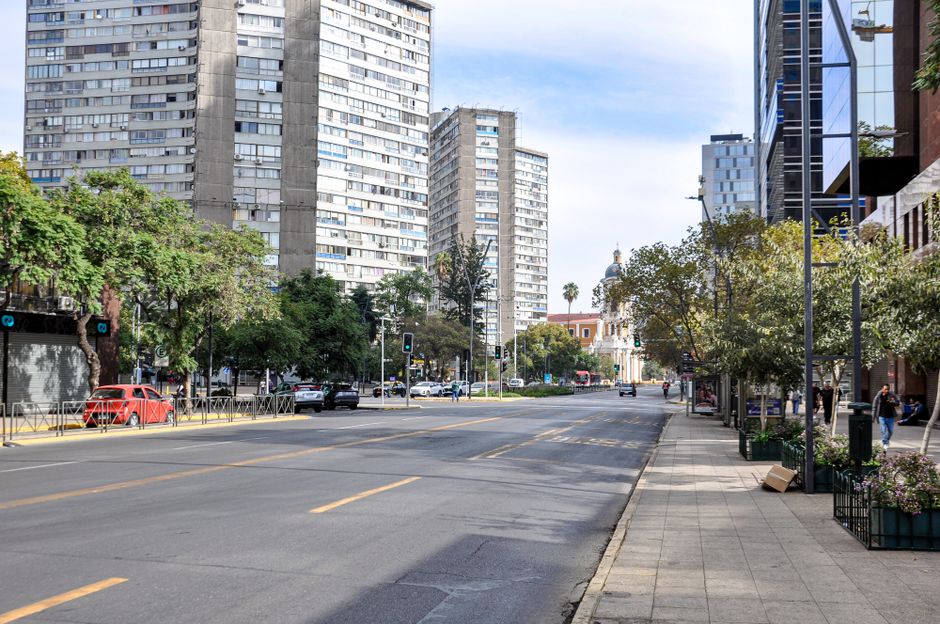
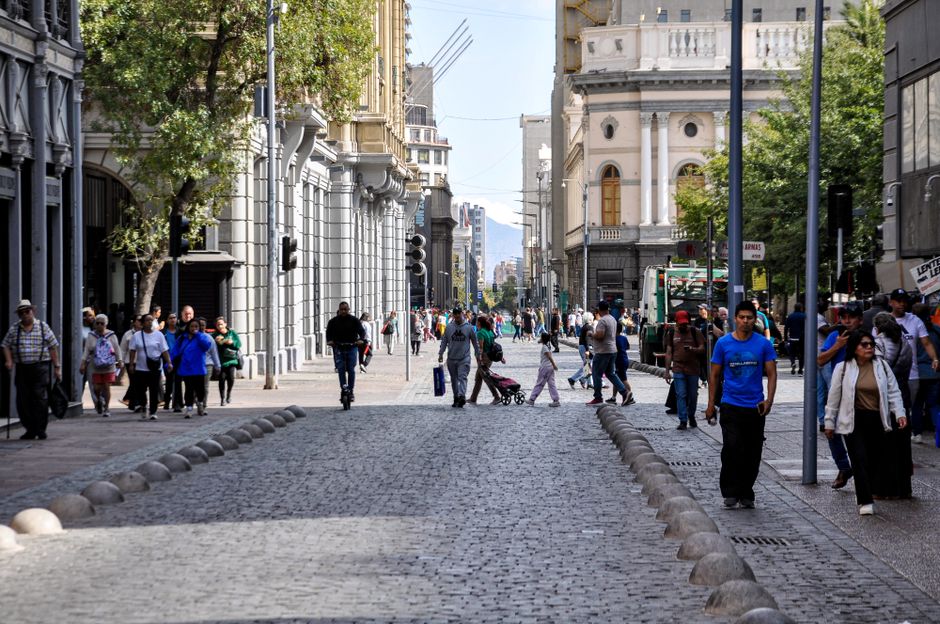
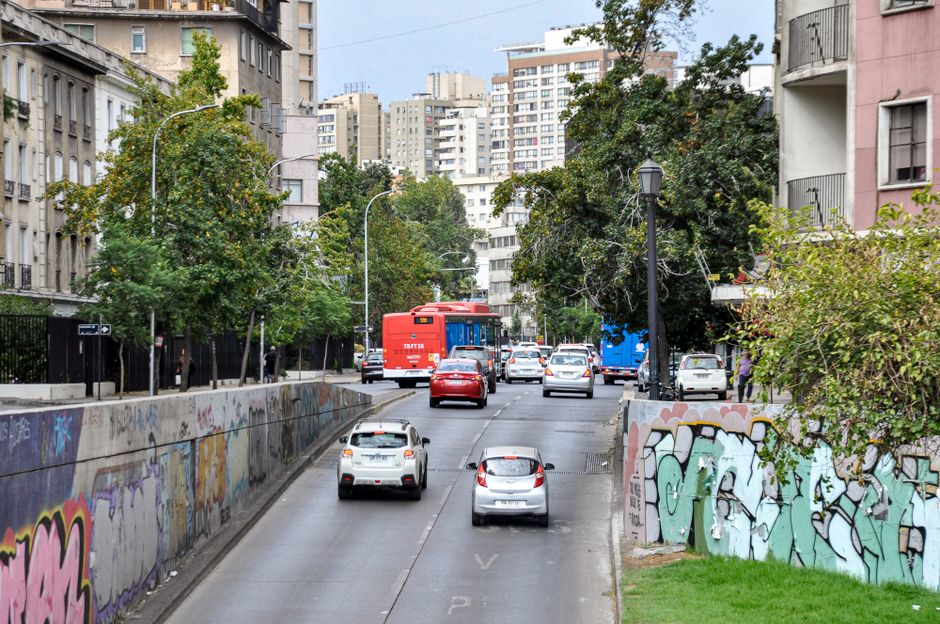
Housing affordability in Santiago has become the defining policy battleground of 2026, with the city's median property price now exceeding 8.5 million pesos per square meter in central neighbourhoods like Providencia and Las Condes. Yet the metropolitan government's response reveals a starkly different approach from peer cities wrestling with identical pressures.
Unlike Toronto, which has aggressively rezoned residential areas to permit mid-rise development, Santiago's municipal authorities have largely preserved single-family zoning protections in wealthy eastern districts. Meanwhile, working-class areas in La Florida and Puente Alto—home to nearly 40% of the metropolitan area's 5.4 million residents—continue absorbing vertical development with minimal infrastructure coordination, a pattern Barcelona deliberately reversed after 2020.
The contrast becomes sharper when examining affordability mechanisms. Singapore's Housing Development Board model, which ensures 80% of residents own subsidised public housing, stands in stark contrast to Santiago's reliance on private market solutions and modest tax incentives for developers. The Chilean capital's social housing stock remains below 12% of total units, among the lowest in comparable Latin American cities, with construction concentrated in outer zones requiring two-hour commutes to the financial district.
Dr. Carolina Morales, director of the Urban Research Institute at Universidad de Chile, notes that Santiago's 2023 zoning reforms created only marginal density increases on Avenida Providencia and around metro stations—insufficient to meet annual housing demand of 150,000 units. By contrast, Denver and Melbourne have seen housing starts accelerate 35-40% following comprehensive upzoning initiatives.
The Estación Central neighbourhood exemplifies Santiago's predicament. Once slated for transit-oriented development following the 2019 metro expansion, escalating land speculation has priced out affordable housing projects. Similar locations in Auckland underwent public-private partnerships to guarantee 30% affordable units—an instrument Santiago's municipal government has yet to deploy systematically.
Real estate analysts project Santiago's affordability crisis will deepen without intervention. The price-to-income ratio now exceeds 12:1 in central areas, surpassing Toronto's 10:1 and approaching Hong Kong's 20:1. Yet political fragmentation across Santiago's 52 municipalities has forestalled the coordinated metropolitan approach that helped London and Madrid stabilize markets in peripheral zones.
As June's municipal elections approached, housing policy emerged as the decisive issue. Whether Santiago's next administration will embrace Barcelona's strict inclusionary zoning or maintain its market-friendly stance remains unclear—but the window for course correction appears to be closing rapidly.
This article was compiled by AI from the sources linked above and screened before publishing. See our editorial standards.