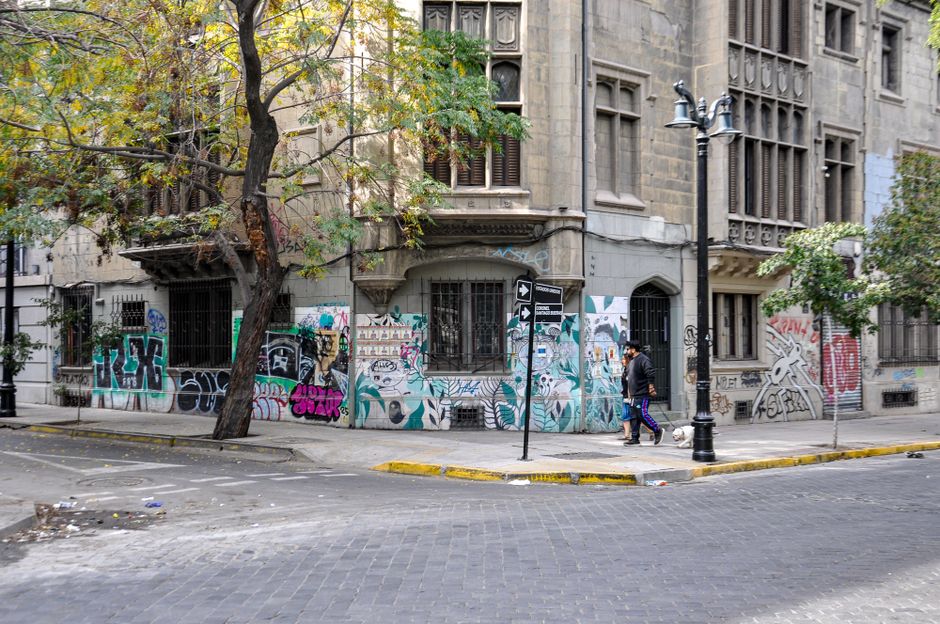
"We're Building Santiago Together": Migrant Voices Shape City's New Integration Policy
As the city council debates fresh immigration reforms, residents from Ñuñoa to La Pintana share their hopes and frustrations about belonging in Chile's capital.
As the city council debates fresh immigration reforms, residents from Ñuñoa to La Pintana share their hopes and frustrations about belonging in Chile's capital.
The debate over Santiago's migration future has reached a fever pitch, but one voice has often been missing from policy tables: that of migrants themselves. Now, as the municipal government prepares to unveil its most comprehensive integration framework in a decade, community leaders from across the city are demanding their experiences shape what comes next.
In the Barrio Lastarria neighbourhood, where Venezuelan, Haitian, and Colombian families have established tight-knit communities over the past five years, tension remains palpable. According to data from the Santiago Municipality, the capital's migrant population has grown from 8.2% in 2018 to nearly 14% today—a figure that has sparked both opportunity and concern among long-term residents.
"People see us at the Vega Central market or on Line 1 of the metro, but they don't see the parents working three jobs to pay 380,000 pesos monthly rent in San Miguel," said one community organiser at the Fundación Nuestra Casa, a migrant support centre on Avenida Providencia. "We need to be at the table when decisions are made about our neighbourhoods."
In La Pintana, where recent arrivals comprise over 18% of the population, local sporting clubs and cultural centres have become informal integration hubs. The Estadio La Pintana now hosts weekly gatherings where families from a dozen nationalities participate in everything from football matches to Spanish language exchanges. Yet volunteer coordinators report chronic underfunding and lack of municipal recognition.
The friction extends to employment. While Santiago's service sector has absorbed thousands of migrant workers—particularly in hospitality, construction, and domestic work—wage disparities persist. A recent study by the Universidad de Chile found migrant workers earn on average 22% less than Chilean counterparts in equivalent positions.
At a community forum held last week in Ñuñoa's Centro de Salud Familiar, residents articulated their core demands: formal work permits that don't restrict employment sectors, affordable language programmes, and meaningful representation in neighbourhood councils. Several speakers emphasised they weren't seeking special treatment, but rather equitable pathways to participation.
"Santiago is a city built by people from everywhere," said a representative from the Colectivo Migrantes en Lucha, speaking during public consultations. "The question isn't whether migrants belong here—we're already here, already part of the fabric. It's whether the city will acknowledge us as partners in its future."
The municipal government has promised to release its draft policy framework by August, with further community input sessions scheduled throughout July across all districts.
This article was compiled by AI from the sources linked above and screened before publishing. See our editorial standards.
How does this story make you feel?
Spread the word
About this article
Published by The Daily Santiago
Daily brief
Free, in your inbox before 7am. Weekdays.
More in News