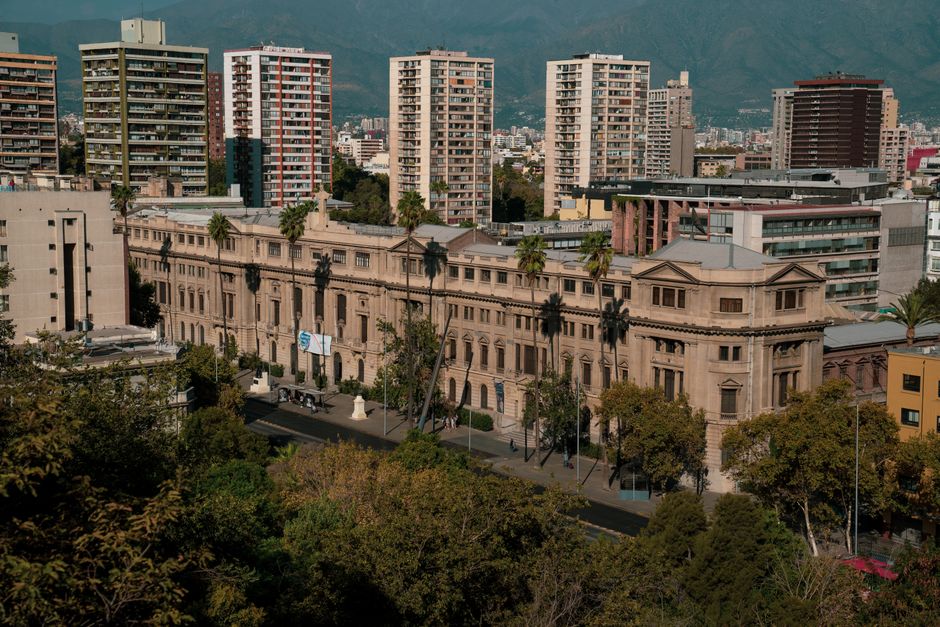
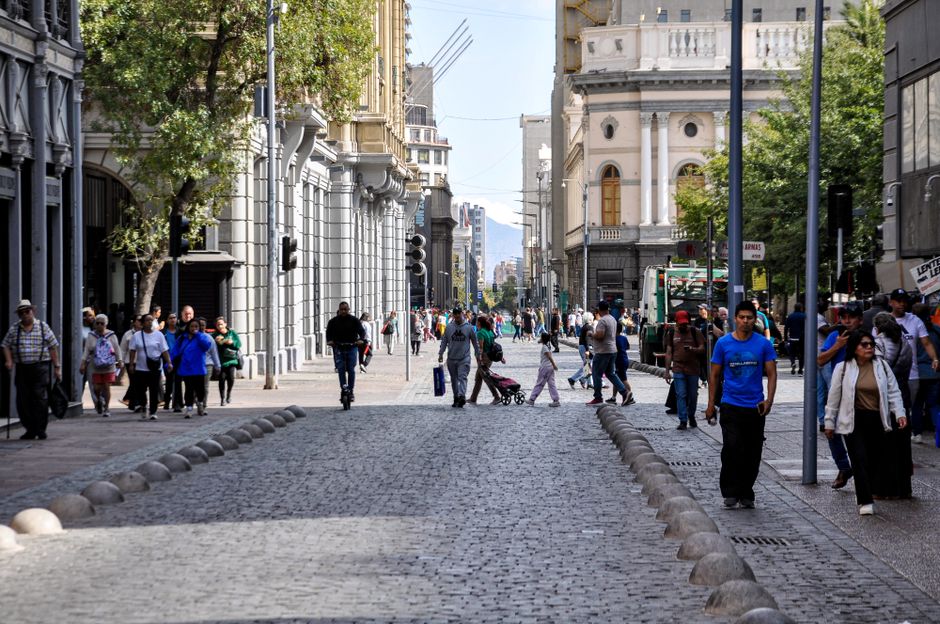
María Elena Cortés has lived on Calle Dieciocho for 34 years, but she says she's never seen anything like the current water shortage squeezing Barrio Brasil. Standing outside the community centre on Avenida Libertad, where residents have begun queuing daily for water distribution, the 62-year-old mother of four describes a neighbourhood under strain.
"We're paying full price for water that doesn't come," Cortés said, referring to the CLP 45,000 monthly bills residents continue to receive despite rationing that limits supply to just four hours daily. "The municipality promised answers two months ago. We're still waiting."
The water crisis, now affecting nearly 180,000 residents across Santiago's central neighbourhoods, has hit Barrio Brasil particularly hard. The historic district, home to a significant population of pensioners and working-class families, lacks the private water reserves available to wealthier areas like Vitacura and Las Condes.
At the neighbourhood association office on Calle Mapocho, volunteer coordinator Roberto Sánchez describes coordinating emergency water deliveries three times weekly. "We've redistributed over 12,000 litres to families who can't afford the private suppliers," he explained. Private water trucks charge between CLP 8,000 and 12,000 per cubic metre—roughly three times the standard rate.
Local shopkeeper Iris Reyes, who runs a small café on Calle Lastarria, has cut her operating hours by half. "We can't function without water. I've already lost an estimated CLP 2 million in revenue," she said, gesturing to her shuttered afternoon service.
Yet residents emphasise they're not seeking sympathy—they're demanding accountability. A petition signed by over 4,200 households calls for emergency infrastructure investment and a public audit of water management at regional level. Community nurse Patricia González, who works at the health centre on Avenida Ricardo Cumming, notes increased cases of dehydration-related illness, particularly among elderly residents.
"This isn't just inconvenient," she stressed. "It's becoming a public health emergency in a neighbourhood that already faces health inequities."
City officials announced a task force last week, promising preliminary findings by August. Meanwhile, residents of Barrio Brasil continue gathering at collection points, their voices growing louder as the crisis extends beyond what anyone anticipated.
This article was compiled by AI from the sources linked above and screened before publishing. See our editorial standards.