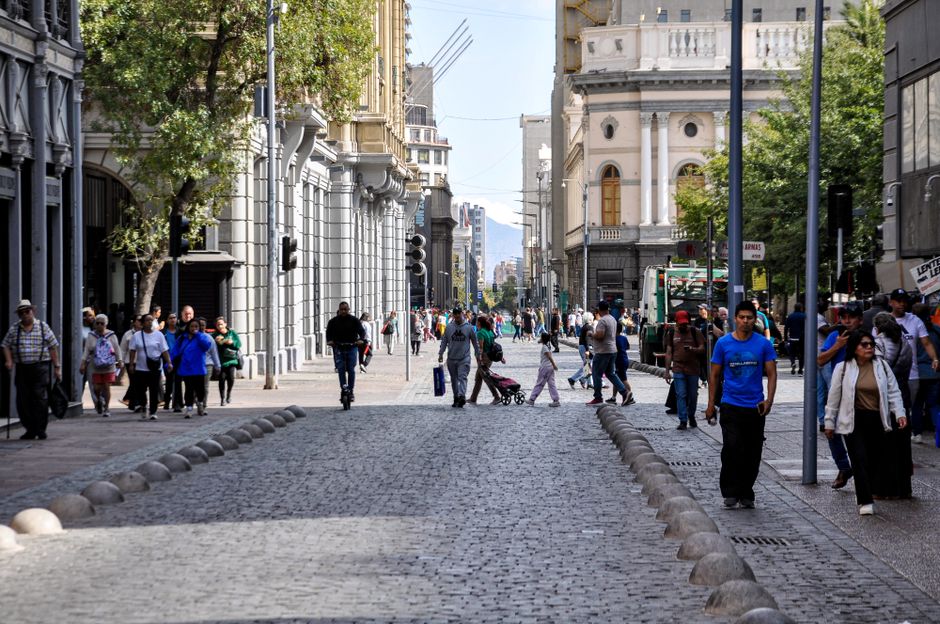
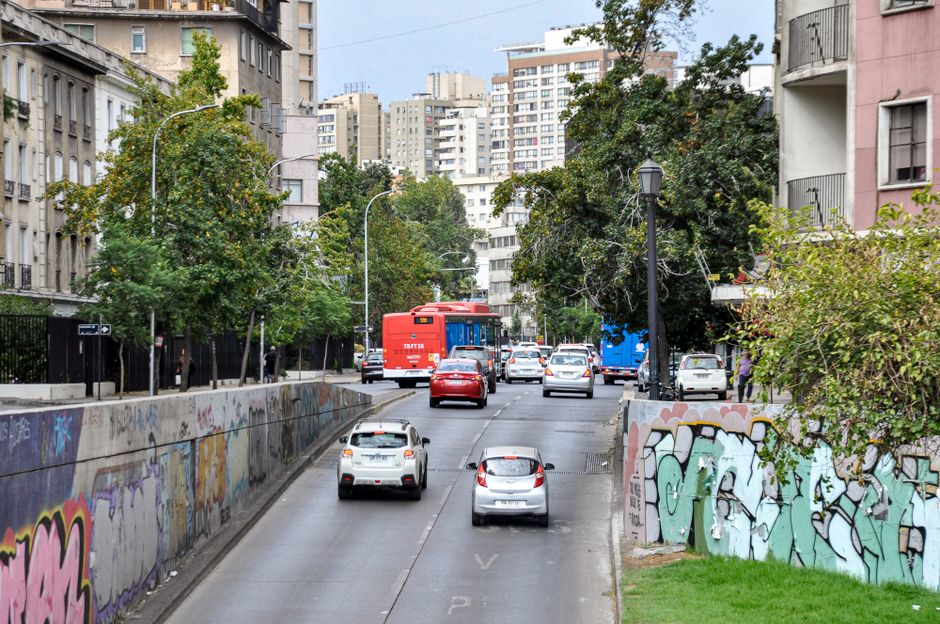
When a structure fire erupted in the Lastarria neighbourhood last month, Santiago's emergency services responded in under seven minutes. It's a metric the city's police and fire chiefs cite with pride, yet it obscures a more complex reality: Santiago remains caught between the emergency response standards of developed nations and the operational constraints facing its regional neighbours.
The Carabineros de Chile and the Bomberos de Santiago have invested heavily in coordination technology over the past three years, creating an integrated dispatch system that tracks response times across the Metropolitana region. Average response for serious crimes now sits at 9.2 minutes in central districts like Providencia and Las Condes, compared to 14 minutes across greater Santiago and significantly longer in peripheral areas like La Pintana and El Bosque.
By European standards, these figures remain sluggish. Berlin and Copenhagen's emergency services average five-minute responses citywide. But within Latin America, Santiago's infrastructure stands out. Crime analysts point to the integrated call centre on Avenida Libertador Bernardo O'Higgins and the deployment of over 2,800 mobile units as structural advantages unavailable to peers in Buenos Aires, Bogotá, or Lima.
"We have the technology. The challenge is geography and inequality," says a spokesperson from the city's emergency management office. Population density in Santiago's sprawling metropolitan area—nearly 7 million residents across fragmented municipalities—means response equity remains elusive. A robbery reported in Ñuñoa triggers faster police arrival than the same crime in outlying La Florida or Puente Alto.
The Venezuelan earthquake aftershocks earlier this year, which were felt in Santiago, exposed another vulnerability: disaster preparedness. Unlike Tokyo or Mexico City, which conduct annual citywide earthquake drills, Santiago's emergency simulation exercises remain sporadic and underfunded. The city's earthquake early warning system, operated through the National Seismological Centre, functions effectively but relies on infrastructure that hasn't been significantly upgraded since 2010.
Community safety initiatives offer a counterpoint. The Programa de Seguridad Preventiva operating across 40 neighbourhoods has reduced street robbery by 23 percent in participating areas over two years—a success rate exceeding similar programs in São Paulo and Mexico City. However, participation remains voluntary, creating patchwork coverage.
Santiago's paradox is instructive: it possesses institutional capacity and investment levels that dwarf many regional competitors, yet sprawl, socioeconomic fragmentation, and aging infrastructure prevent the seamless, equitable emergency response that wealthier cities take for granted. Closing that gap requires not just technology, but political will to invest equally across all neighbourhoods.
This article was compiled by AI from the sources linked above and screened before publishing. See our editorial standards.