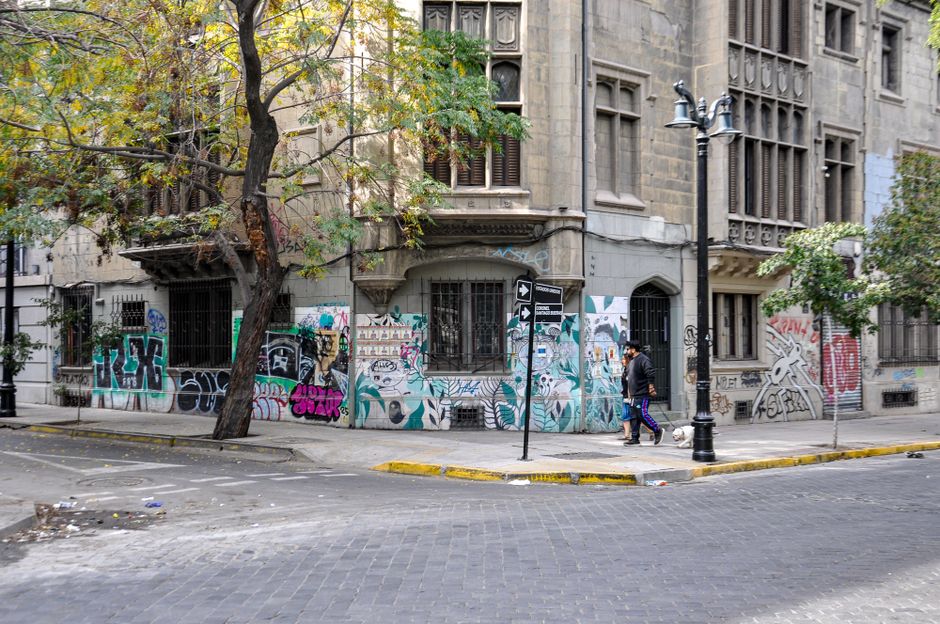
When a major incident occurs in central Santiago, the city's emergency response is typically swift. The integrated command center coordinating Carabineros, firefighters, and ambulance services operates 24/7 across all 52 communes, with average response times in affluent neighborhoods like Providencia and Las Condes reaching 4-5 minutes for priority calls. By comparison, cities like São Paulo and Mexico City report response times of 8-12 minutes in their wealthier districts, placing Santiago in the upper tier of regional performance.
Yet this efficiency masks a troubling geographic divide. In peripheral neighborhoods like La Pintana and El Bosque, where violent crime rates hover around 18 per 100,000 residents—double the city average—response times stretch to 12-15 minutes. This disparity mirrors challenges facing cities worldwide: Berlin's outer districts and London's peripheral zones report similar delays when resources concentrate in central areas.
Santiago's approach differs notably from international peers in one key respect: its Unified Emergency System (SEU), established in 2018, consolidates police, fire, and medical dispatch under one platform. Cities like Toronto and Barcelona have adopted similar models only recently, suggesting Santiago's institutional innovation has merit. The system processed over 2.3 million emergency calls last year, with a 94% success rate in categorizing genuine emergencies.
However, budget allocation tells another story. The Providencia and Ñuñoa communes spend approximately 1.8 million pesos per capita annually on local security and emergency services, while La Pintana allocates just 450,000 pesos per capita. Municipal officials attribute this gap to property tax disparities, but residents in underfunded areas argue the inequity mirrors global patterns where wealthier districts essentially buy better protection.
International comparisons offer cautionary tales. Rio de Janeiro's favelas and Johannesburg's townships have long struggled with delayed emergency response, creating dangerous gaps where informal security networks fill voids left by official services. Santiago hasn't reached this point, but warning signs exist. Youth gang activity in the San Bernardo area and organized robbery networks along the Mapocho corridor suggest growing complexity that stretched resources may struggle to contain.
Experts point to innovative solutions emerging elsewhere. Bogotá's investment in neighborhood-based rapid response units and Singapore's predictive policing technology have reduced response times while improving safety perception. Santiago's municipal leaders have commissioned studies into similar models, but implementation remains contingent on political will and budget reallocation.
The question facing Santiago's elected officials is whether the city will address this inequality before peripheral neighborhoods fall further behind the international standard—or continue the regional pattern of fragmented protection based on geography and wealth.
This article was compiled by AI from the sources linked above and screened before publishing. See our editorial standards.