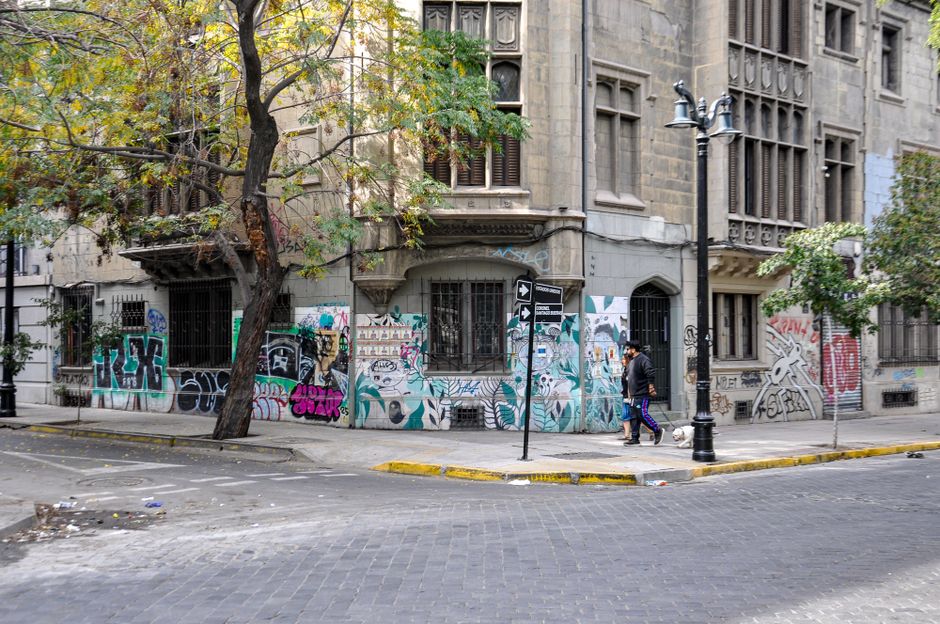
Santiago's neighbourhoods transform this week: New transit hub opens, community centres expand
From Lastarria to Maipú, local infrastructure projects reshape daily life across the capital.
From Lastarria to Maipú, local infrastructure projects reshape daily life across the capital.
Santiago's urban landscape shifted noticeably this week as three major neighbourhood initiatives came to fruition, reshaping how residents navigate their communities and access essential services.
The most significant development came Monday with the inauguration of the Estación Integrada Ñuñoa on Avenida Tobalaba, a new multimodal transit hub designed to consolidate metro, bus, and bike-sharing services. The facility, which cost approximately 2.8 billion pesos to construct, is expected to reduce commute times by an average of 12 minutes for the 14,000 daily users projected in its first year. The station features 240 secure bicycle parking spaces and real-time transit information displays in Spanish and English, addressing longstanding complaints from residents about fragmented transportation options in the eastern corridors.
In Lastarria, the neighbourhood's oldest cultural landmark underwent its most extensive renovation in two decades. The Centro Cultural Gabriela Mistral announced expanded programming on Wednesday, with three new multipurpose rooms now available for community groups. Local arts organisations have already booked the space through November, signalling renewed confidence in the neighbourhood's creative infrastructure. Entry remains free for residents on designated community days—Tuesdays and Thursdays—maintaining accessibility standards the venue has maintained since 1998.
Perhaps most notably for family-oriented residents, the Maipú Community Health Collective opened four new neighbourhood clinics across the district, bringing primary care services within walking distance for approximately 45,000 residents who previously travelled 3-4 kilometres for basic medical services. The clinics, operating under a public-private partnership model, will charge sliding-scale fees based on household income, with services starting at 8,000 pesos for standard consultations.
These developments reflect an ongoing municipal strategy to decentralise services and reduce pressure on central Santiago's overstretched infrastructure. The Metropolitan Planning Department confirmed that six additional neighbourhood projects are scheduled to launch within the next four months, including a food distribution hub in La Florida and expanded vocational training facilities in Pudahuel.
Community leaders across these neighbourhoods have cautiously welcomed the improvements, though some expressed concerns about maintenance budgets and ensuring sustained programming. The city council has committed to quarterly community consultation meetings, beginning in July, to monitor implementation and address emerging needs.
For residents navigating Santiago's sprawling geography, this week represents a tangible shift toward more distributed, accessible urban services.
This article was compiled by AI from the sources linked above and screened before publishing. See our editorial standards.
How does this story make you feel?
Spread the word
About this article
Published by The Daily Santiago
Daily brief
Free, in your inbox before 7am. Weekdays.
More in News