How Santiago's Transport Crisis Led Us to the Metro Expansion of 2026
Decades of congestion, failed political promises, and a growing suburban population finally forced the city's hand on infrastructure.
Decades of congestion, failed political promises, and a growing suburban population finally forced the city's hand on infrastructure.
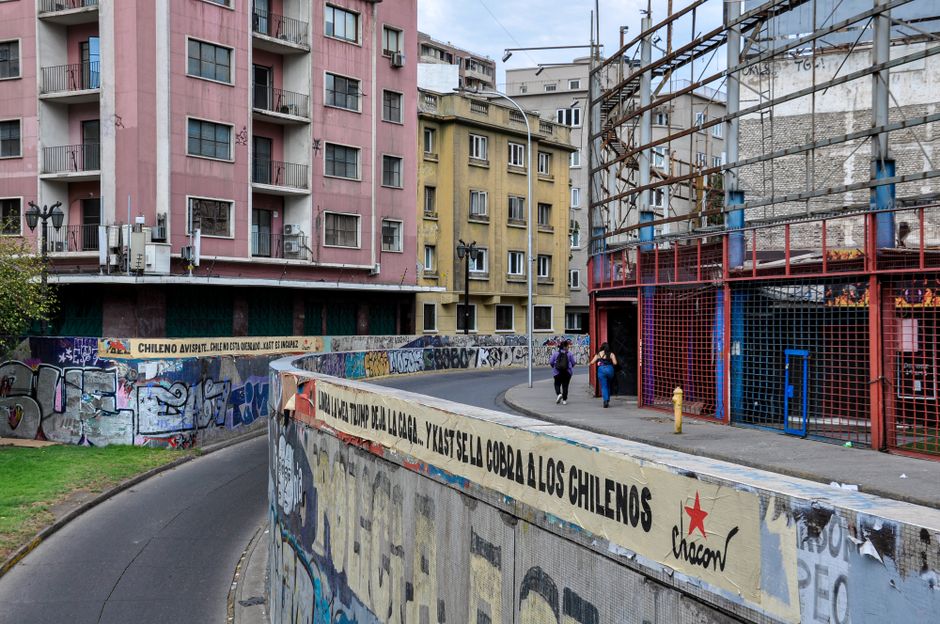
The gleaming new Metro Line 7 stations now rising along Avenida Kennedy represent far more than engineering ambition. They are the culmination of nearly thirty years of neglect, broken commitments, and a transport system that finally buckled under its own weight.
For generations, Santiago's commuters have endured some of the longest average journey times in the Southern Hemisphere. By 2023, residents travelling from outer districts like Puente Alto and Maipú faced daily commutes exceeding ninety minutes. The existing Metro network, while efficient in its original corridors, had become a victim of its own success—overcrowded, aging, and unable to serve the metropolitan area's explosive growth beyond the traditional downtown and eastern zones.
The turning point came in 2022, when the Metropolitan Transport Authority released damning data: the city's bus system, which still carried sixty percent of commuters, was losing roughly 8 percent of its ridership annually as private vehicle ownership soared. Traffic congestion cost the economy an estimated $4.2 billion in lost productivity. Meanwhile, the sprawling neighbourhoods of La Florida, San Bernardo, and Quilicura—home to over two million residents—remained served only by congested surface routes and informal transportation networks.
Political momentum finally shifted after the 2024 mayoral elections brought transport reform to the top of municipal agendas. The Confederation of Commerce and Industry issued repeated warnings that Santiago was becoming uncompetitive as a business hub. Property developers, who had been bankrolling suburban expansion, suddenly pivoted to backing Metro investment. Community organisations in peripheral districts, frustrated by decades of marginalisation, escalated their demands with unprecedented coordination.
The financing breakthrough arrived in late 2024, when the national government approved a $3.8 billion infrastructure package—partly funded through congestion pricing schemes implemented at key points along Costanera Norte and the inner ring road. Within months, construction crews broke ground on three new stations and began extending rail service southward toward San Bernardo, a district of 450,000 people that had waited more than four decades for formal rapid transit.
Today, as workers install track systems beneath the bustling commercial stretches of Avenida Kennedy and prepare stations near Plaza Vespucio, the underlying reality remains stark: this expansion should have begun a decade ago. But it is happening now because the cumulative weight of congestion, frustration, and democratic pressure finally overwhelmed institutional inertia. For most Santiaguinos, that delayed reckoning is little comfort—but it is, at least, finally here.
This article was compiled by AI from the sources linked above and screened before publishing. See our editorial standards.
How does this story make you feel?
Spread the word
About this article
Published by The Daily Santiago
Daily brief
Free, in your inbox before 7am. Weekdays.
More in News