Santiago's Transport Future Takes Shape as Officials Signal Major Investment Push
City leaders and transport experts outline ambitious plans to reshape commuter corridors and ease congestion across the capital's most critical arteries.
City leaders and transport experts outline ambitious plans to reshape commuter corridors and ease congestion across the capital's most critical arteries.
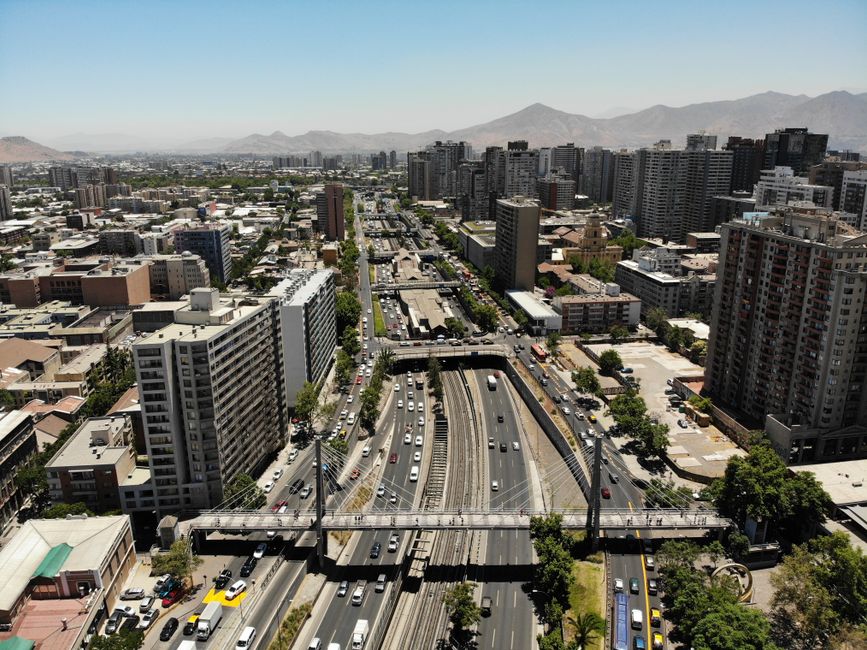
As Santiago grapples with mounting traffic pressures and aging infrastructure, a chorus of officials and urban planners have begun laying out a vision for the capital's transport future—one they say requires decisive action within the next 18 months to avoid system collapse.
The Metropolitan Transport Authority held a strategy session last week to discuss priorities for the Alameda-Providencia corridor, where congestion has reduced average commute speeds to 12 kilometres per hour during peak hours. Authority representatives stressed that expanding bus rapid transit lanes and integrating the southern line extension with existing metro networks remains the most viable near-term solution, citing studies showing that improved connectivity could reduce commute times by up to 35 percent for residents in Las Condes and Ñuñoa.
The University of Chile's Institute of Urban Affairs published findings this month suggesting that the proposed expansion of the Mapocho riverside transport hub—intended to link metro, bus, and bicycle infrastructure near the Bellas Artes neighbourhood—could accommodate an additional 40,000 daily passengers by 2029. Institute researchers noted that such coordinated development typically requires sustained funding mechanisms; current municipal budgets allocate only 8 percent of transport expenditure to integrated planning.
City Planning Department officials have emphasised that the 2.4-kilometre Providencia pedestrian and cycling thoroughfare project, set to begin construction in Q4 2026, represents a shift toward multimodal transport thinking. They argue that reducing private vehicle dependency on this high-traffic zone could free capacity for goods delivery and emergency services while creating economic benefits for local retailers.
However, transport economists caution against delays. Analysts at the Santiago Institute for Development Studies warned that deferring major infrastructure work typically increases long-term costs by 40 to 60 percent, while congestion now costs the regional economy approximately $4.2 billion annually in lost productivity and fuel consumption.
The Chamber of Commerce has signalled conditional support for proposed toll-based financing models for the eastern corridor improvements, though several representatives expressed concern about equity implications for lower-income commuters relying on public transport.
Officials have indicated that public consultation periods for the Las Condes metro extension and the proposed tram line linking Estación Central to the airport will open by September. Transport planners emphasise that securing federal co-funding remains essential—current municipal resources cover only 55 percent of stated infrastructure needs through 2030.
The conversation reflects broader recognition that Santiago's transport system faces a critical juncture: invest now in integrated solutions, or manage escalating dysfunction across the metropolitan area's 8.2 million residents.
This article was compiled by AI from the sources linked above and screened before publishing. See our editorial standards.
How does this story make you feel?
Spread the word
About this article
Published by The Daily Santiago
Daily brief
Free, in your inbox before 7am. Weekdays.
More in News