Santiago's housing affordability crisis did not emerge overnight. The city's current predicament—where median apartment prices in Providencia and Las Condes have climbed beyond reach for middle-income professionals, while working-class families are pushed further into the sprawling periphery—represents the accumulated effect of contradictory planning philosophies spanning three decades.
The turning point came in the early 1990s, when Santiago municipal authorities began dismantling regulations that had previously encouraged mixed-income residential construction. Under the dictates of economic liberalisation, zoning restrictions loosened dramatically. Developers gained unprecedented freedom to build upward in wealthy neighbourhoods while simultaneously converting traditional middle-class areas like Ñuñoa and Macul into high-rise speculative zones.
Between 2000 and 2015, Santiago's population grew by roughly 1.2 million residents, yet housing stock increased at a significantly slower rate. Official data from the Housing Ministry showed that construction permits declined by 34 percent between 2008 and 2012, precisely when demand was accelerating. Simultaneously, foreign and domestic investment capital began treating Santiago properties as financial instruments rather than homes. A 2023 survey found that nearly 40 percent of new apartments in central zones sat vacant, purchased by investors betting on future appreciation.
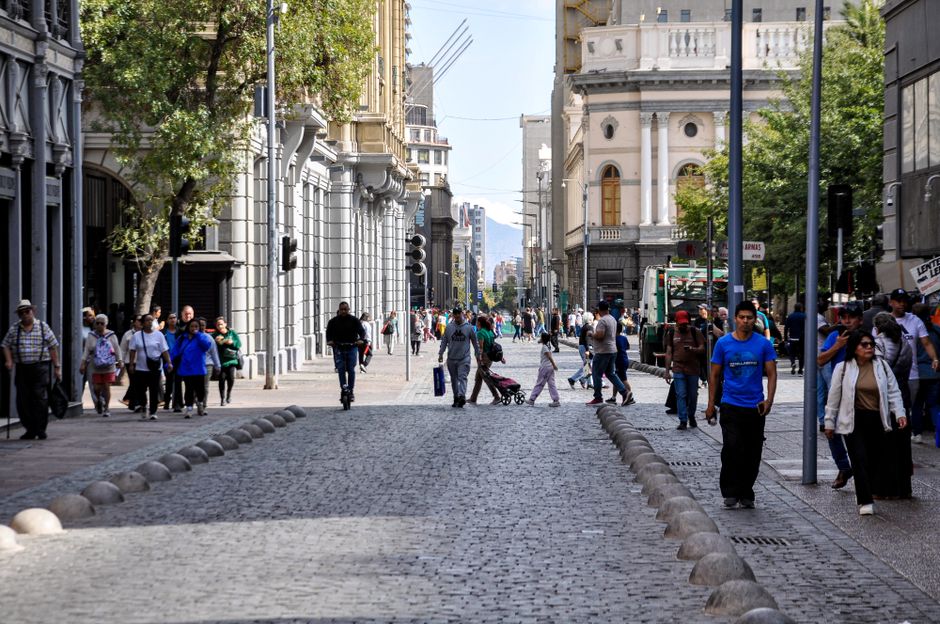
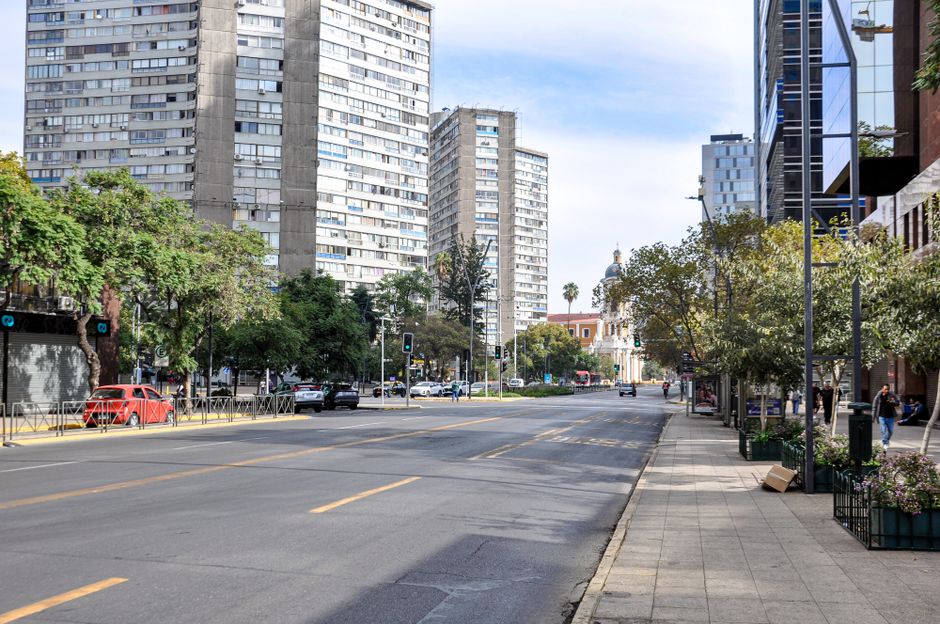
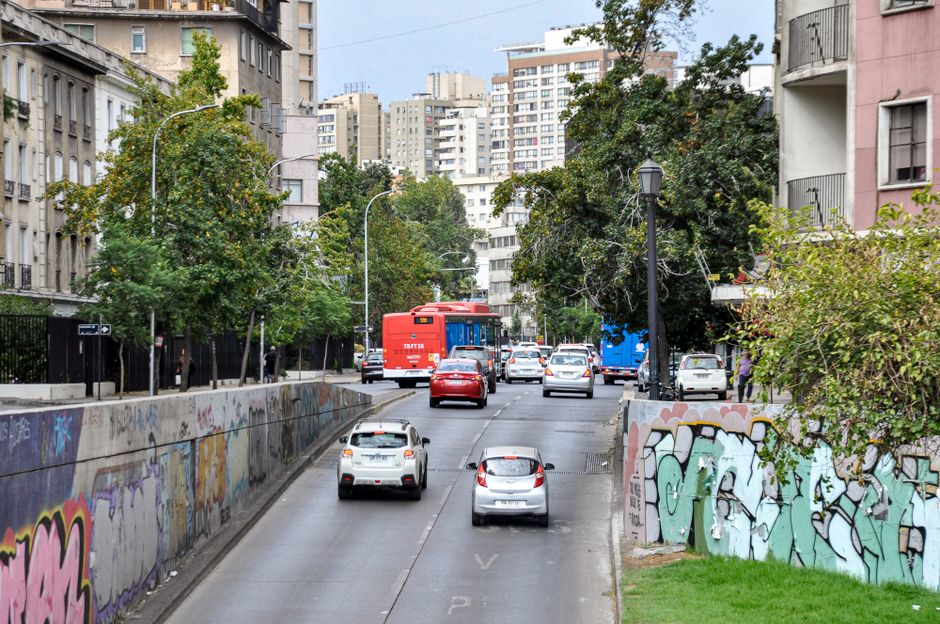
The Alameda corridor presents a cautionary lesson. What was once envisioned as a revitalised mixed-use zone became increasingly exclusive, with heritage restrictions and heritage conservation efforts paradoxically preventing the dense, affordable development that existing infrastructure could have supported. Meanwhile, districts like Puente Alto and San Bernardo absorbed explosive growth without corresponding investment in public transit or social services.
Environmental regulations, introduced with genuine intent, inadvertently constrained supply. Protected green spaces around Santiago's eastern foothills restricted expansion into logical development zones, pushing construction southward into flood-prone areas requiring expensive remediation.
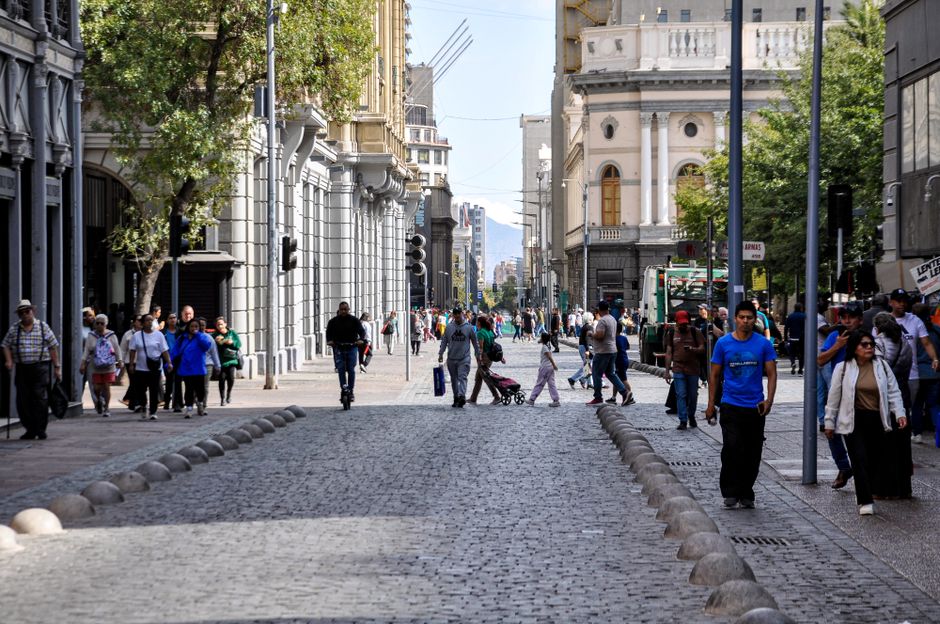
The Plaza de Armas district's stalled renovation projects—languishing for years amid bureaucratic disagreement between municipal and regional authorities—exemplify how governance fragmentation has delayed solutions. No single entity holds sufficient power to implement comprehensive policies.
Today's municipal government inherits a landscape where market forces and fragmented planning authority have produced a city increasingly stratified by geography and income. Addressing this requires acknowledging that Santiago's crisis was not inevitable, but rather the result of specific choices: prioritising investor returns over housing access, favouring vertical density in wealthy zones while abandoning working-class peripheries, and allowing private speculation to override public housing needs.
The question facing Santiago's planners now is whether they can construct a different future—one that learns from these accumulated missteps.
This article was compiled by AI from the sources linked above and screened before publishing. See our editorial standards.