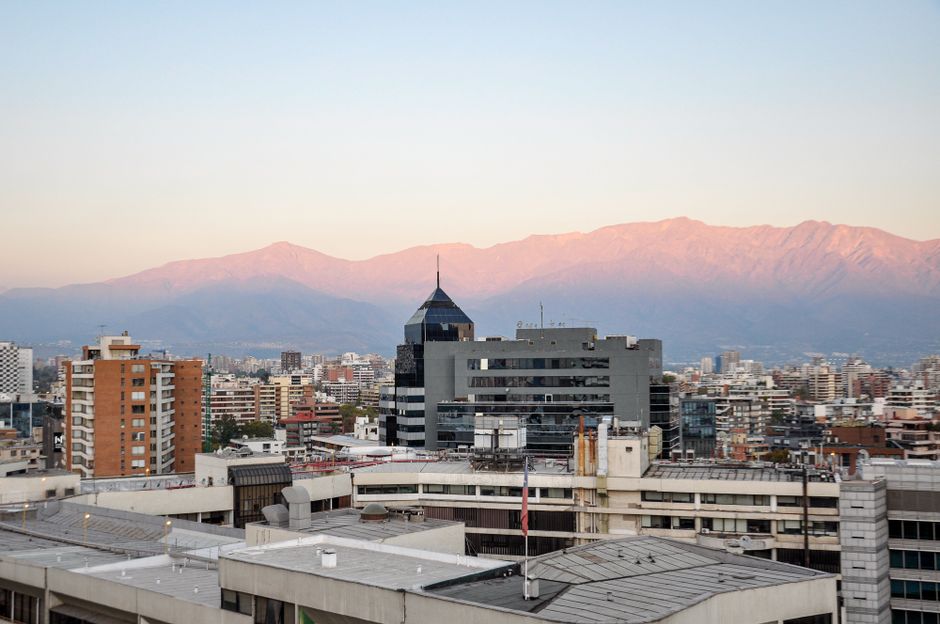
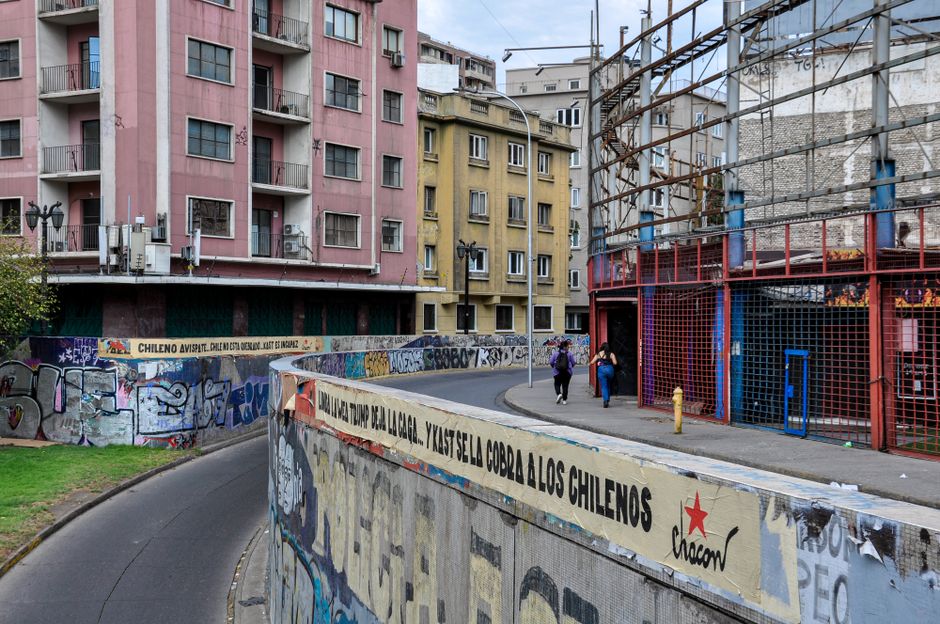
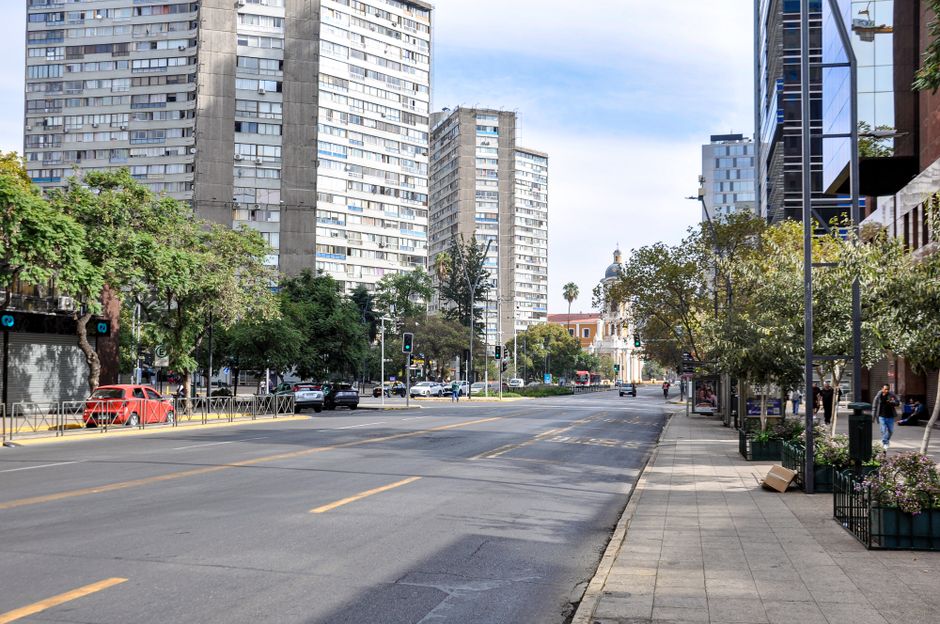
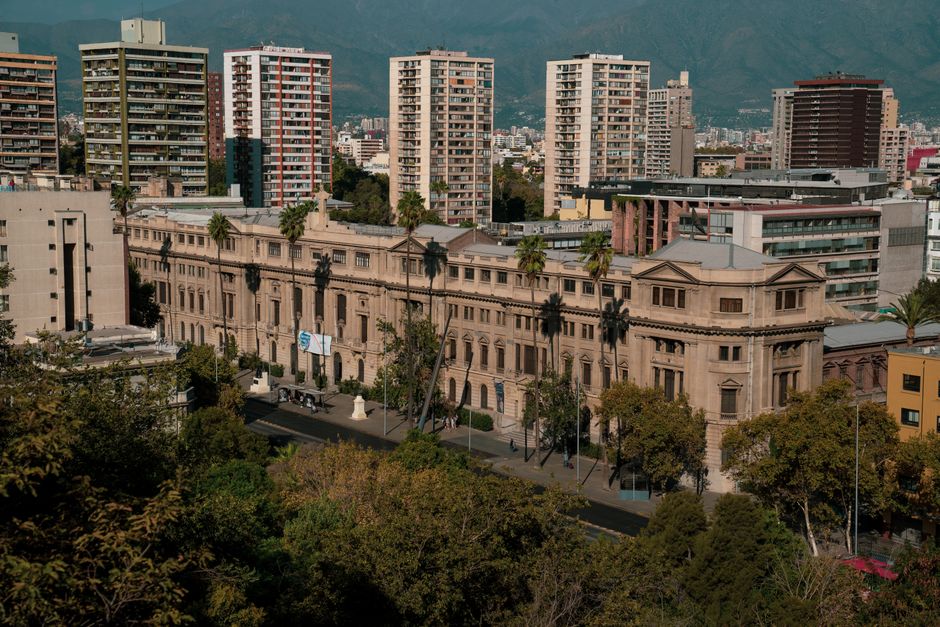
Santiago's City Council delivered a sharp rebuke to developers on Tuesday, approving a sweeping revision to housing policy that imposes strict density caps and affordability requirements on new residential projects across the historic centre and adjoining districts. The 28-to-12 vote marks the most aggressive intervention in the capital's real estate market in over a decade, reflecting mounting public frustration over soaring property values and the displacement of long-term residents.
Under the new framework, developers seeking permits in neighbourhoods including Lastarria, Bellavista, and the eastern reaches of Ñuñoa will face mandatory affordable-unit quotas of 25 percent in any project exceeding 50 units. Additionally, building heights in heritage zones will be capped at eight storeys—a significant reduction from previous allowances that permitted towers up to 15 storeys in some precincts. The Metropolitan Housing Institute estimates current median apartment prices in central Santiago have climbed to 8,500 USD per square metre, nearly triple the figure from 2015.
"We're watching our city transform into an asset class rather than a home," councillor María Eugenia Flores told reporters after the vote. The decision followed weeks of public consultation, during which residents in neighbourhoods like Italia neighbourhood and parts of San Miguel presented data showing that 40 percent of properties now serve as investment vehicles rather than primary residences.
The regulations take effect on September 1st, creating a transition period during which developers can fast-track applications under existing rules—a provision that has already triggered a flurry of filings. The Municipal Planning Department expects a backlog of up to 200 projects to be submitted before the deadline, according to internal communications reviewed by this publication.
Industry groups have signalled their intent to challenge the measures legally, contending they will stifle construction activity and reduce housing supply. Yet environmental groups and neighbourhood associations celebrated the outcome as essential protection for Santiago's urban fabric. Separately, a city-commissioned study released Wednesday found that green space per capita in the downtown core has declined to 2.1 square metres per resident—well below WHO recommendations of nine square metres.
The council also approved a parallel initiative directing the municipal development agency to acquire 15 hectares of land across five neighbourhoods for public housing schemes, with completion targeted for 2029. How these decisions play out will test whether Santiago can balance growth with livability—a question increasingly urgent as the capital continues to draw migration from across the region.
This article was compiled by AI from the sources linked above and screened before publishing. See our editorial standards.