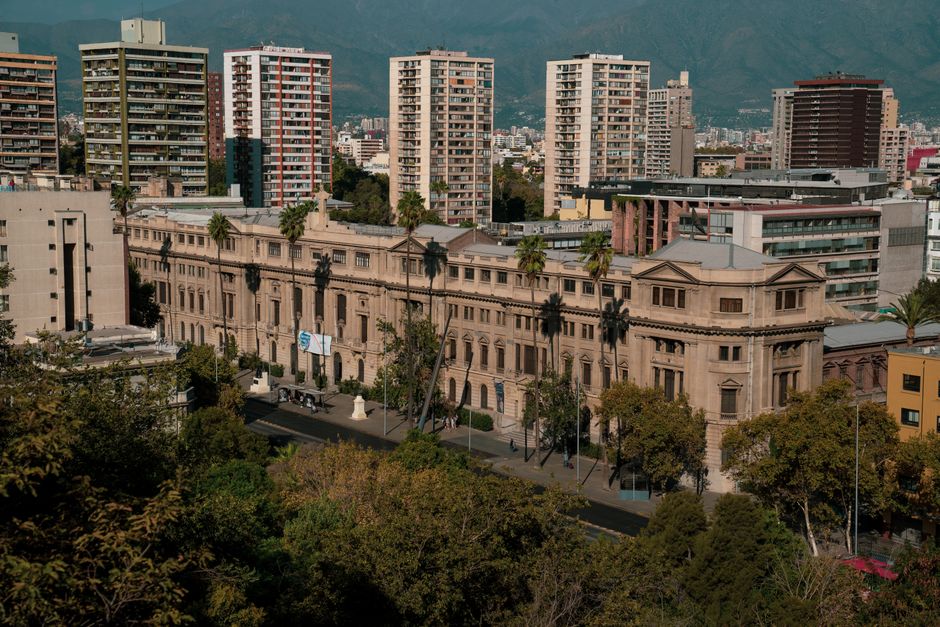
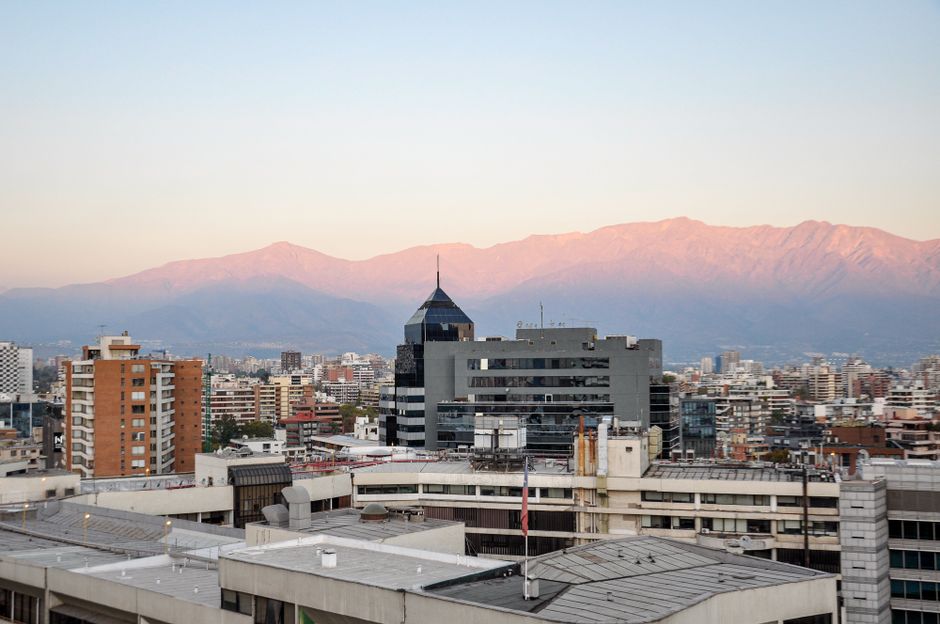
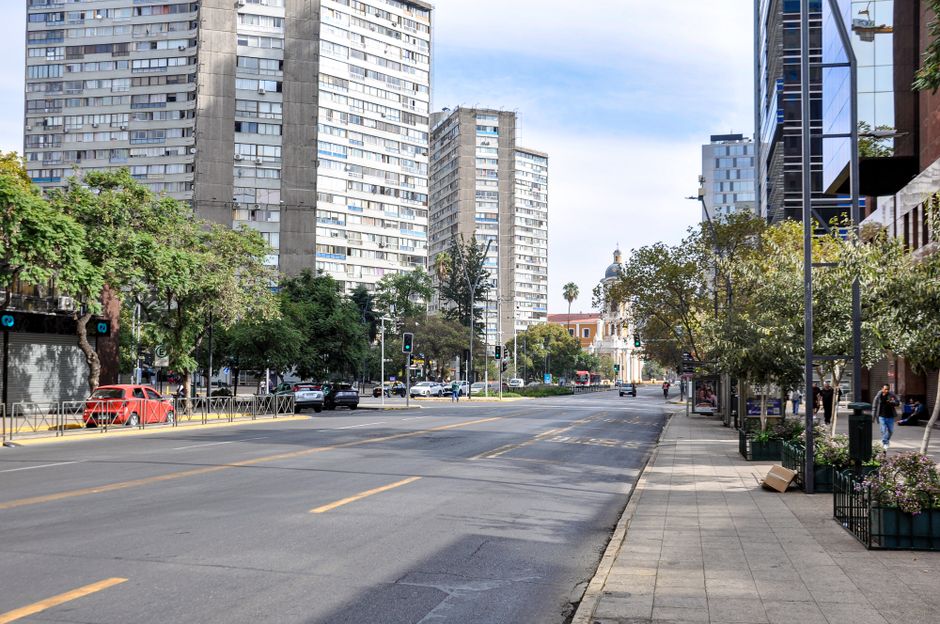
Santiago's long-awaited Metro Line 7 extension reached a significant turning point this week as construction crews broke through the final geological barrier beneath Avenida Las Condes, marking the halfway point of the CLP 2.8 billion project. The breakthrough at the Tobalaba station excavation site—one of five new stations planned between Los Leones and El Golf—signals acceleration on a project that has faced multiple delays since its 2021 announcement.
The development comes as the city grapples with mounting traffic congestion, with peak-hour commute times on routes serving the eastern neighborhoods now averaging 67 minutes, up from 52 minutes two years ago. The Metro Company's latest feasibility studies project that Line 7 will divert approximately 180,000 daily commuters from surface roads once operational, effectively reducing vehicle volume on Las Condes and Vitacura by an estimated 23 percent.
Beyond the metro expansion, the Municipal Works Department unveiled finalized plans this Wednesday for the Providencia Pedestrian Corridor Initiative, a CLP 890 million undertaking that will redesign six blocks of Calle Suecia between Manuel Montt and Andrés Bello. The project includes widened sidewalks, cycle lanes, and improved public seating—addressing complaints from local businesses and residents about aging infrastructure in one of the city's most densely populated commercial zones.
"We're seeing a genuine momentum shift," explained Maria Contreras, secretary of the Santiago Chamber of Commerce, in reference to the combined projects. "These aren't isolated improvements—they represent a coordinated strategy to manage growth."
The Bus Rapid Transit expansion on Autopista Central also advanced this week, with environmental authorities approving the final permits for dedicated lane construction through Ñuñoa and La Florida. The 8.4-kilometer extension is expected to serve an additional 95,000 commuters daily when it opens in Q2 2027.
However, not all developments proved positive. The Mapocho Riverside Park project, originally slated to begin this month near the Parque Forestal district, has been postponed indefinitely pending additional geological surveys. City officials cited concerns about underground infrastructure compatibility as the reason for the delay, disappointing residents who have awaited the transformation of the underutilized green space for three years.
As Santiago continues its infrastructure modernization, experts suggest the convergence of these projects—if executed on schedule—could meaningfully reshape urban mobility patterns. The coming eighteen months will be decisive in determining whether the city finally addresses the chronic transport challenges that have defined the past decade.
This article was compiled by AI from the sources linked above and screened before publishing. See our editorial standards.