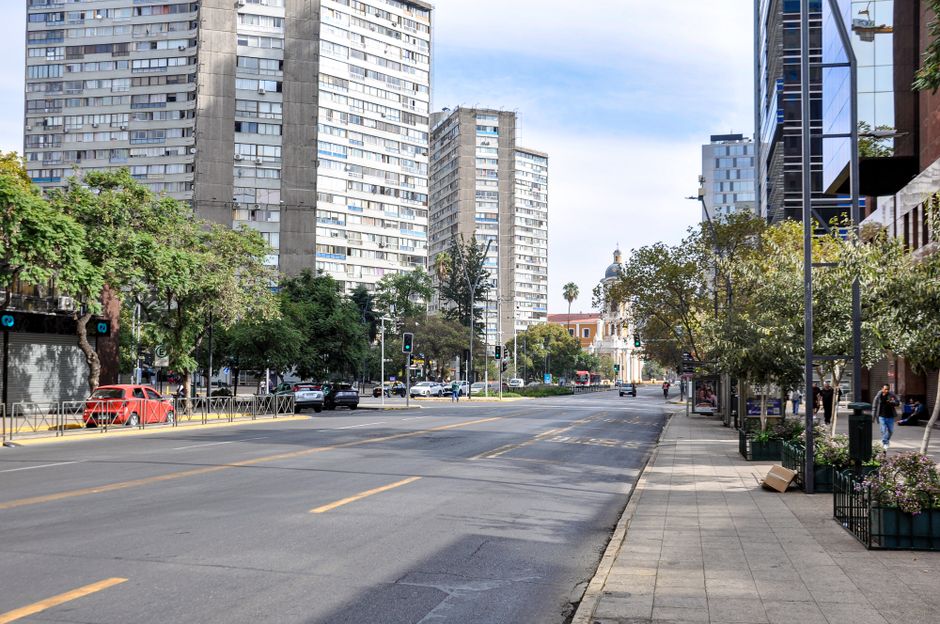
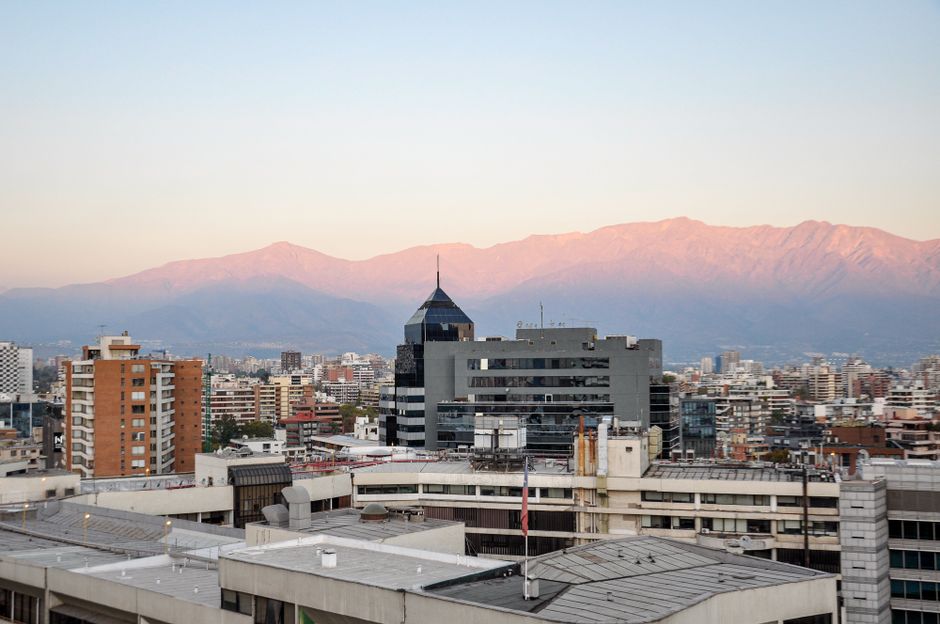
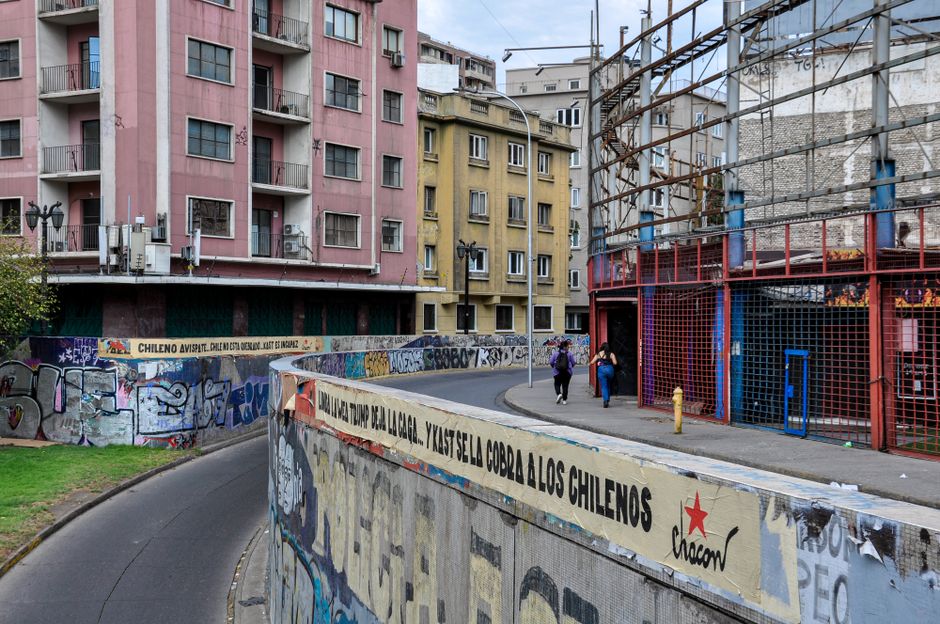
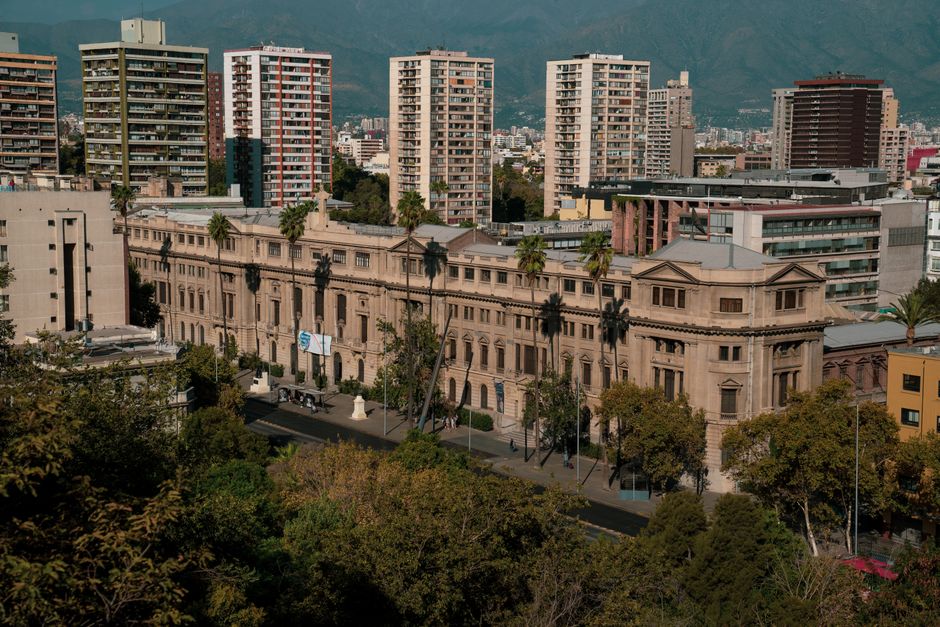
As Venezuela reels from disaster and migration pressures intensify across the Americas, Santiago finds itself in an enviable position: managing one of the region's fastest-growing multicultural populations without the acute social fractures plaguing peer cities globally.
The contrast is striking. While Berlin confronts far-right backlash and Toronto grapples with a homelessness crisis linked to immigration pressures, Santiago's approach to integration appears markedly less adversarial. The city's 2025 demographic survey showed foreign-born residents now comprise 18 percent of the metropolitan population—comparable to Toronto's 47 percent—yet community friction indices remain substantially lower, according to municipal integration office data.
Part of this success lies in geography. Unlike Berlin, where migrant communities concentrated in Wedding and Kreuzberg created distinct parallel economies, Santiago's growth has distributed newcomers across multiple neighborhoods. The Lastarria district has attracted entrepreneurial Venezuelan migrants, while Pakistani and Colombian communities have established themselves in Las Condes and Peñalolén respectively. This geographic dispersion, while occasionally complicating cultural services delivery, has prevented the acute resource competition that destabilizes single neighborhoods in European cities.
"We learned from others' mistakes," explains the work of organizations like Somos Migrantes, which operates integration programs across seven neighborhoods rather than concentrating services. The group's language exchange program at the Biblioteca Parque Forestal draws 200 weekly participants—double last year's numbers—yet operates without the funding crises plaguing equivalent services in Toronto.
Housing costs tell another story, however. A one-bedroom in Ñuñoa now averages 850,000 pesos monthly, up 34 percent since 2023. While steep, it remains more affordable than Berlin's Neukölln or Toronto's outer suburbs, where comparable units exceed 1,400 CAD monthly. This pricing cushion appears critical: researchers at Universidad de Chile's migration institute attribute lower social tension partly to the absence of acute housing competition for the most vulnerable.
Yet Santiago is not immune to broader tensions. Recent municipal elections saw anti-immigration rhetoric gain traction in outlying districts, mirroring patterns in Frankfurt and Calgary. The mayor's office has quietly bolstered integration funding, allocating 2.3 billion pesos this year to employment training—attempting to preempt employment-based resentment before it crystallizes.
Whether Santiago's relative harmony proves sustainable remains uncertain. The city absorbs roughly 8,500 new residents monthly, a rate that will test even dispersed settlement models. Officials and community leaders watch closely as other cities stumble: Berlin's rising extremism, Canada's fracturing consensus. Santiago, for now, appears to have found a middle path—though whether it holds depends on factors beyond municipal control.
This article was compiled by AI from the sources linked above and screened before publishing. See our editorial standards.