New development reshapes rental yields: what savvy Santiago investors need to know
As major projects transform Providencia and Maipu, landlords face both opportunity and disruption—here's how to position your portfolio.
As major projects transform Providencia and Maipu, landlords face both opportunity and disruption—here's how to position your portfolio.

Santiago's property investment landscape is shifting beneath investors' feet. With the average residential property sitting around CLP 85 million, the emergence of significant mixed-use and residential developments across key growth corridors is fundamentally altering where—and how—yields are being generated.
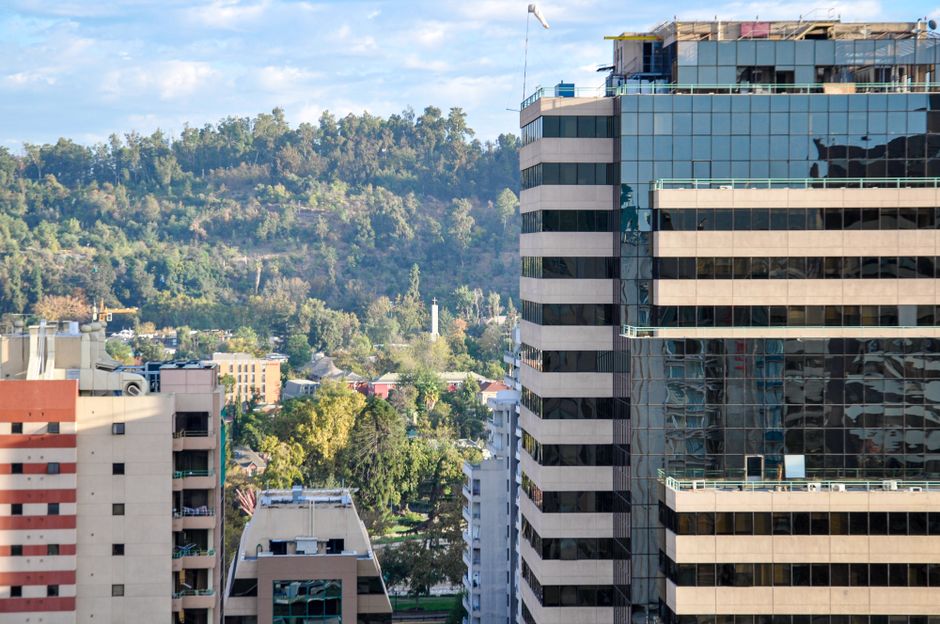
The transformation is most visible in Providencia, long a popular middle-class hub. New office and retail complexes along Avenida 11 de Septiembre are attracting corporate tenants and shifting the area's rental profile upward. For property owners in adjacent residential streets, this means stronger tenant demand and rental rates climbing faster than historical averages. However, the same construction activity disrupts street-level foot traffic, temporarily impacting commercial lease rates at ground-floor retail spaces.
The real action, though, is happening further west. Maipu and Quilicura, traditionally affordable growth neighbourhoods, are experiencing infrastructure-led development that's changing yield dynamics dramatically. New metro connectivity and mixed-income residential towers are attracting younger professionals and families seeking alternatives to premium Las Condes and Vitacura prices. Investors who purchased land parcels here two to three years ago are now seeing rental demand accelerate as the neighbourhoods mature.
"Development corridors always follow infrastructure," notes the general pattern across Santiago's expansion. The CLP 85M average masks significant variation: a two-bedroom in newly developed Quilicura now commands stronger yields than an equivalent property in saturated premium zones, where capital appreciation has slowed but rental growth remains modest.
For landlords navigating this terrain, several principles apply. First, understand your micro-location: properties within 300 metres of new transit nodes or mixed-use developments typically see 15–20% faster rental growth than outlying streets. Second, expect temporary disruption. Construction phases usually suppress short-term yields, but post-completion premiums often compensate over three to five-year holding periods. Third, track tenant composition shifts. Developments attracting corporate tenants (finance, tech, services) typically generate more stable, higher-value leases than residential-only areas.
The foreign investor influx is reshaping demand patterns too. International buyers increasingly target new developments offering modern amenities and English-speaking property management—sometimes paying premiums for these conveniences. This trend particularly benefits recently completed projects in Nunoa and eastern Providencia.
For portfolio holders, the strategic play isn't necessarily buying in the hottest zone. It's identifying areas where development is arriving but prices haven't yet fully adjusted. Quilicura and portions of Maipu still offer this asymmetry. Watch municipal announcements, infrastructure timelines, and demographic shifts. Development doesn't just change neighbourhoods—it rewrites investment returns.
This article was compiled by AI from the sources linked above and screened before publishing. See our editorial standards.
How does this story make you feel?
Spread the word
About this article
Published by The Daily Santiago
Daily brief
Free, in your inbox before 7am. Weekdays.
More in Property