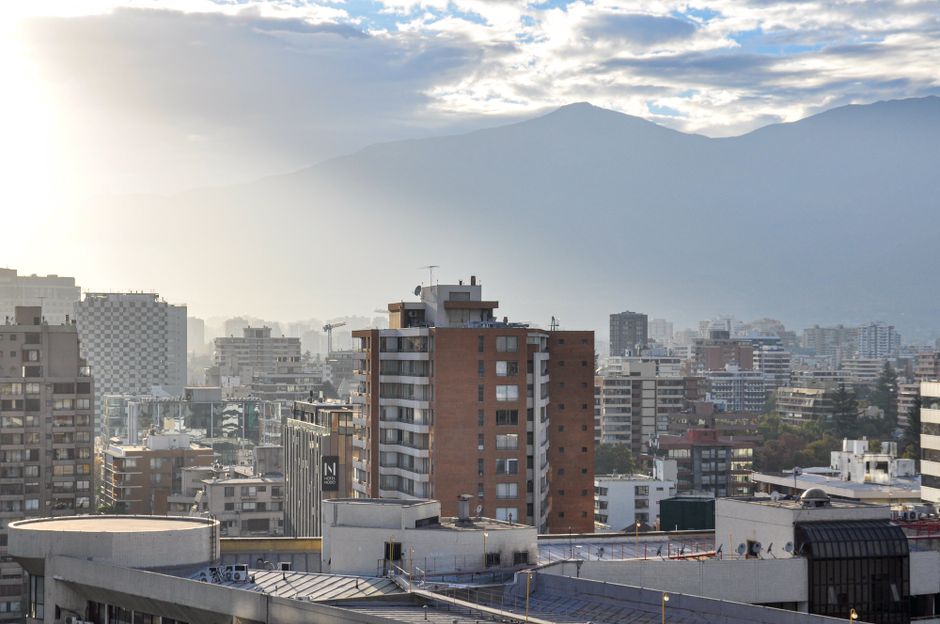
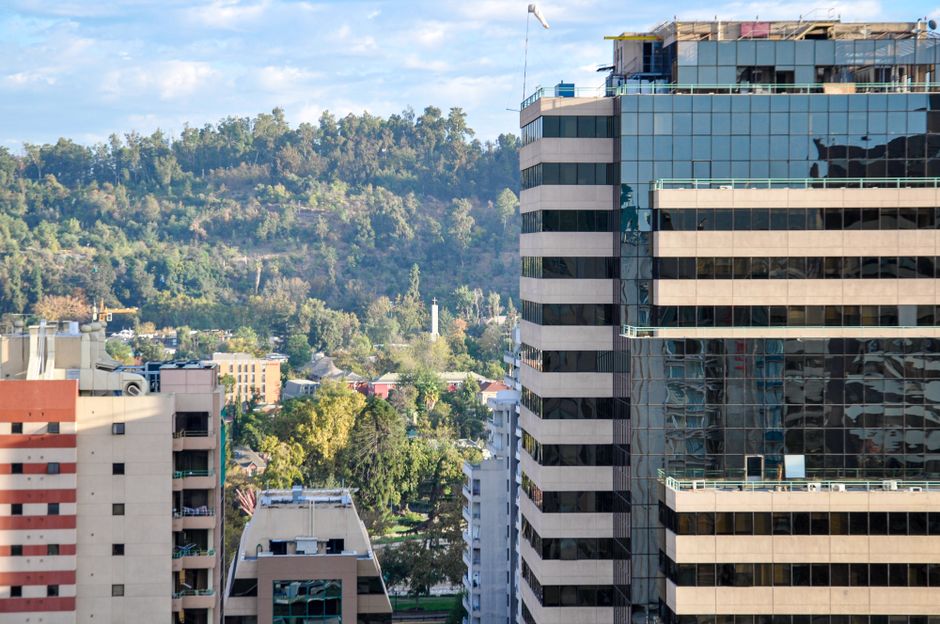
The tension rippling through Santiago's rental market tells a story of two economies colliding. On one side, tenants in neighbourhoods like Providencia and Ñuñoa face rents that have climbed faster than wages, forcing difficult choices about where families can afford to live. On the other, small-scale landlords—often retirees or families with inherited properties—are grappling with maintenance costs, regulatory uncertainty, and the pressure to raise rents simply to break even.
Data from property platforms tracking the capital's rental sector shows average monthly rents in central neighbourhoods have risen 8-12% annually over the past two years, outpacing inflation. A modest two-bedroom apartment in Providencia now commands between CLP 900,000 and CLP 1.2 million monthly—a figure pushing middle-income workers toward the expanding growth zones of Maipú and Quilicura, where rents average 30-40% lower but commute times stretch beyond an hour.
The squeeze is most visible in Ñuñoa, historically Santiago's most accessible middle-class enclave. Residents report landlords increasingly requiring damage deposits equivalent to two months' rent, alongside employment contracts proving income four times the monthly payment. For families with informal income or recent arrivals, these barriers are insurmountable. Simultaneously, landlords complain that legal protections remain weak, with eviction processes taking months and rent recovery nearly impossible without expensive court intervention.
The government's recent social housing initiatives, including the expansion of rental subsidy programs targeting households earning below CLP 1.5 million monthly, have helped some. Yet beneficiaries report long waiting lists and properties concentrated in outlying areas like La Pintana and El Bosque—far from employment hubs around Providencia, Las Condes, and the commercial corridors along Avenida Providencia itself.
What complicates the picture further is the speculative pressure trickling down from the premium market. As foreign buyers and development firms acquire properties in adjacent neighbourhoods, local landlords face rising property valuations that trigger tax assessments. These increases often force rent hikes simply to maintain profitability—a cascade effect that accelerates displacement.
Santiago's rental crisis isn't a single story. It's a negotiation happening in thousands of living rooms across the capital, where tenants and landlords alike are caught between market forces neither controls. Without policy interventions addressing both affordability and landlord viability, Santiago risks deepening the geographic divide between those who can afford the centre and those pushed toward the periphery.
This article was compiled by AI from the sources linked above and screened before publishing. See our editorial standards.