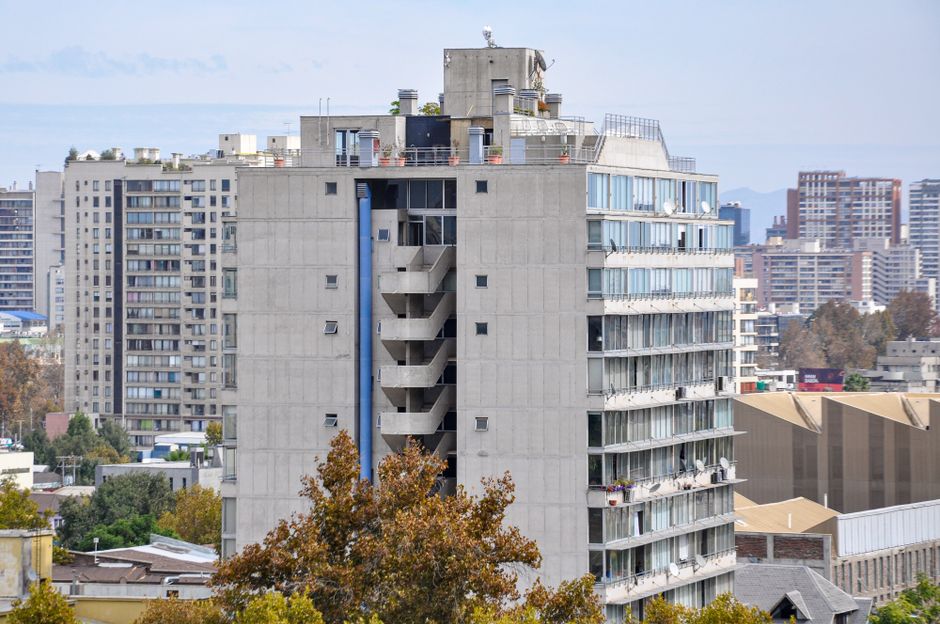
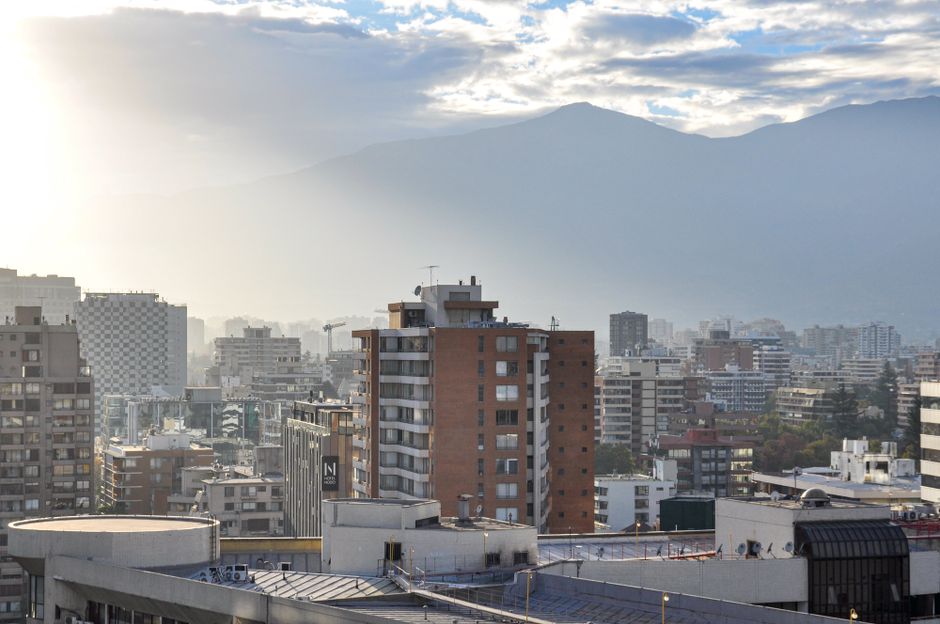
For years, Macul has occupied an uncomfortable middle ground in Santiago's property hierarchy. It sits comfortably within commuting distance of the financial core, boasts genuine cultural institutions like the Biblioteca de Macul and the nearby Parque Metropolitano access points, yet has consistently underperformed in investor appetite compared to the predictable premium of Las Condes or the established cache of Providencia.
That calculus is shifting. Municipal planning documents circulating through late 2025 and early 2026 indicate that Macul—specifically the strips along Avenida Larraín and extending toward Avenida Grecia—is set for significant rezoning that will permit mixed-use development with higher-density residential towers, retail, and office space. Current market pricing reflects minimal anticipation of this change. Properties around Avenida Lota and the quieter residential blocks near Parque San Cristóbal remain trading in the CLP 65–75 million range per unit—roughly 15–20 per cent below comparable unimproved stock in Ñuñoa.
The appeal is tangible for developers and owner-occupiers alike. Macul's existing infrastructure—Línea 5 metro access, proximity to both the university precinct and emerging tech corridors—already supports higher-intensity use. The neighbourhood's modest current profile masks genuine convenience. Venues like Paseo Los Dominicos shopping area and the independent bookshops dotting Avenida Ecuador offer character that newer Santiago developments often lack. Schools including Colegio San Ignacio maintain strong reputations without the premium price tags attached to Las Condes equivalents.
Foreign buyers, increasingly active in Santiago's eastern zones, have begun noticing. Immigration data from the property registry shows a marked uptick in overseas purchasers registering transactions in Macul between Q4 2025 and Q2 2026—largely investors from Spain, Argentina, and North America seeking exposure to Santiago without the premium multiples of established neighbourhoods.
The rezoning timeline remains fluid, pending final municipal council votes expected within 18 months. But the pattern is recognisable: infrastructure precedes value capture. Macul possesses the connectivity that drives genuine demand. It lacks only the narrative.
For investors, the window is tactically narrow. Once formal rezoning approvals publish, price discovery will accelerate rapidly. Properties currently offering entry-level positioning near adequate public transport, with genuine urban amenities already embedded, represent the kind of overlooked positioning that precedes property market repricing in consolidated cities.
Macul's moment may finally be arriving.
This article was compiled by AI from the sources linked above and screened before publishing. See our editorial standards.