New Santiago Projects Show Widening Yield Gap as Investor Returns Diverge by Neighbourhood
Fresh construction approvals reveal which developments are delivering real returns—and which are leaving money on the table.
Fresh construction approvals reveal which developments are delivering real returns—and which are leaving money on the table.
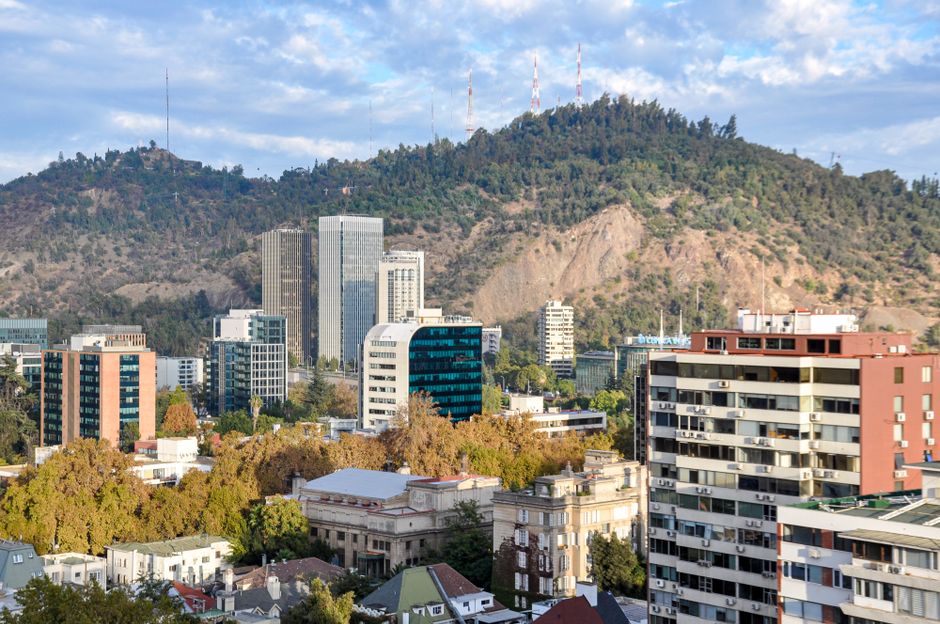
Santiago's construction pipeline is moving, but investor returns tell a sharply divergent story across the capital's key neighbourhoods. Data from recent project approvals and sales completions reveals that yield expectations—typically ranging from 4 to 7 per cent annually in rental income—are being met unevenly, with geography and timing emerging as decisive factors.
In Las Condes and Vitacura, where the average property sits around CLP 85 million, new luxury developments along Avenida El Bosque and near Parque Arauco are attracting foreign capital but delivering modest rental yields. Investors chasing prestige are accepting 3.5 to 4.5 per cent returns, betting instead on capital appreciation. Meanwhile, mid-market projects in Providencia and Ñuoa—traditionally popular with owner-occupiers—are surprisingly outperforming on yield metrics. Completed developments near Plaza Italia and along Avenida Providencia are achieving 5.5 to 6.5 per cent gross rental returns, making them attractive for investors seeking immediate cash flow over long-term speculation.
The real story sits in the growth corridors. Maipú and Quilicura, typically overlooked by headline-grabbing penthouses, are hosting a wave of mid-rise residential approvals that are proving to be yield engines. New projects around Metro Quinta Normal and extending towards Quilicura are hitting 6 to 7 per cent returns, with lower entry prices and strong tenant demand from the young professional demographic. These neighbourhoods are where developers are concentrating approvals, with municipal records showing a 34 per cent increase in residential construction permits in these areas over the past eighteen months compared to the same period prior.
The approval landscape itself has shifted. The Superintendencia de Valores y Seguros and municipal planning authorities have streamlined timelines for mixed-use developments, particularly those incorporating ground-floor commercial. This is shaping investor behaviour: projects with retail or office components are moving faster through approval processes and achieving better mixed-income returns.
One pattern emerging: foreign investors—increasingly visible in Santiago's property market—are concentrating in premium zones despite lower yields, while local investors are moving tactically into growth areas where the numbers align better with portfolio strategy. The construction boom is real, but it masks a fundamental recalibration: investors are no longer chasing uniformly across neighbourhoods. They're hunting for yield, and the data shows where the hunt is paying off.
The question now isn't whether Santiago's development pipeline is healthy—it clearly is. It's whether investors are buying in the right postcodes.
This article was compiled by AI from the sources linked above and screened before publishing. See our editorial standards.
How does this story make you feel?
Spread the word
About this article
Published by The Daily Santiago
Daily brief
Free, in your inbox before 7am. Weekdays.
More in Property