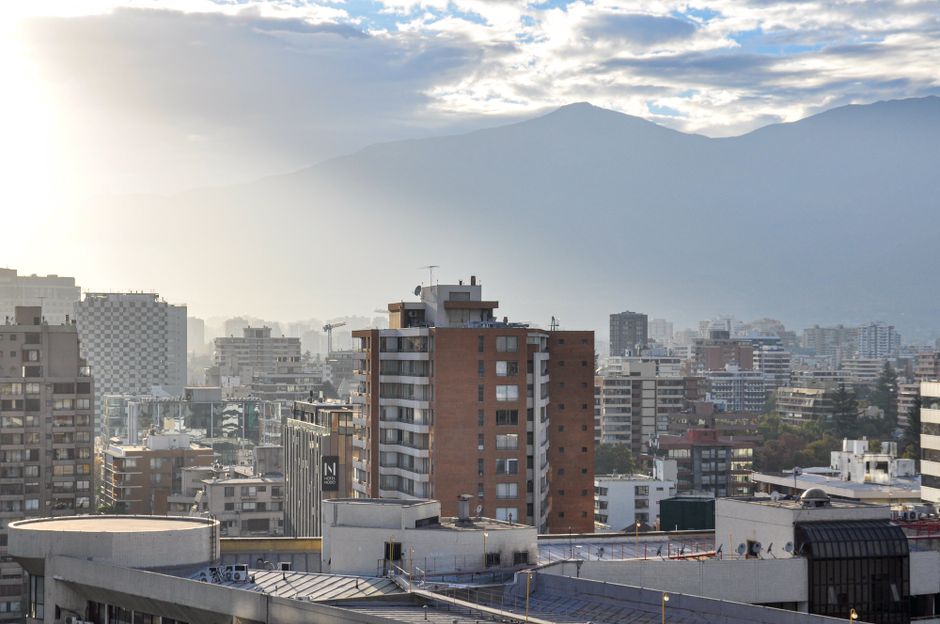
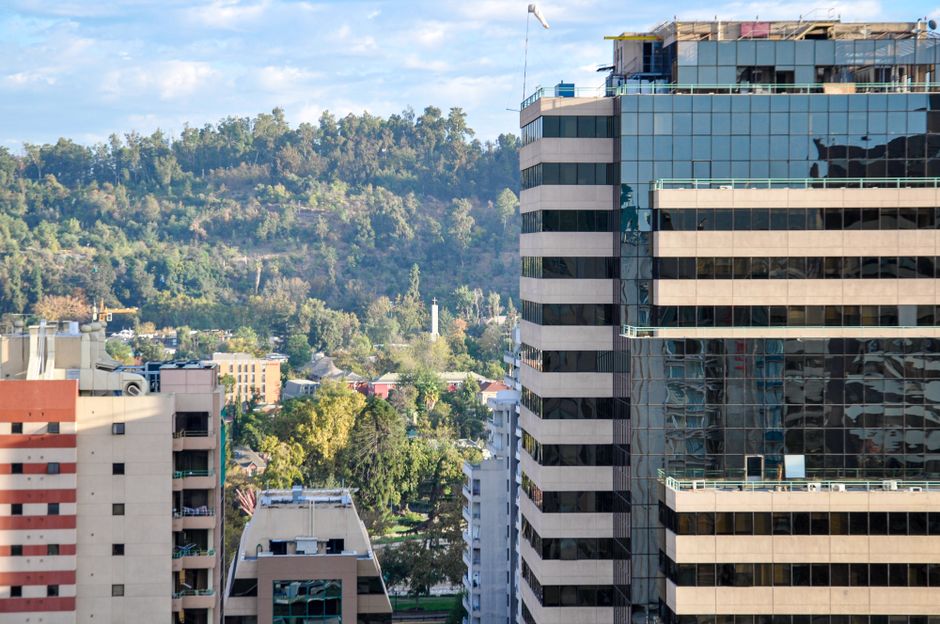
Santiago's construction sector is experiencing its most aggressive expansion in rental housing since 2019, with approvals for multi-unit residential projects jumping 34% across the Metropolitan Region in the first half of 2026. Yet this building boom is creating an uncomfortable paradox: landlords are watching yields compress while tenants navigate a market caught between oversupply in some neighbourhoods and persistent affordability pressures elsewhere.
The Dirección de Obras Municipales has green-lit 47 significant residential developments across Providencia, Ñuñoa, and Maipú alone, adding an estimated 3,200 rental units to the market by 2028. In Providencia—traditionally a landlord stronghold where average rents hover around CLP 1.2M for a two-bedroom apartment—new supply is already creating downward pressure. Property managers report that lease negotiations in the neighbourhood are increasingly competitive, with tenants securing five to eight percent rent reductions compared to 2024 rates.
"The market dynamics have shifted dramatically," says Catalina Ramírez, research director at the Real Estate Association of Chile. "Where landlords once dictated terms, they're now offering concessions—waiving deposits, including utilities, extending lock-in periods—just to secure reliable tenants." The average rental yield on metro properties has fallen to 4.2%, down from 5.1% two years ago.
In working-class areas like Maipú and Quilicura, however, the picture differs. Rapid gentrification and new metro connectivity have triggered competing pressures. While construction adds supply, demand from younger professionals relocating from central areas remains robust. Rents in Maipú have climbed 12% year-on-year, straining households already spending 38-42% of income on housing—well above the sustainable 30% threshold.
For tenants in Ñuñoa, the 15 new projects approved along Avenida Providencia and surrounding streets bring a glimmer of hope. Lower-cost units targeting young professionals and families are expected to ease the supply crunch in the CLP 900K–1.1M rental bracket. Yet existing tenants are wary: many landlords are holding firm on current rents, betting that property values—still climbing across the zone—will offset rental yield compression.
The Municipal Housing Authority estimates that Santiago needs 8,500 additional rental units annually to meet demand. Current construction rates suggest the sector is moving toward that target, but the transition period is uncomfortable for both camps. Smart landlords are diversifying holdings or accepting lower yields; savvy renters are timing moves strategically to capitalise on competition.
This article was compiled by AI from the sources linked above and screened before publishing. See our editorial standards.