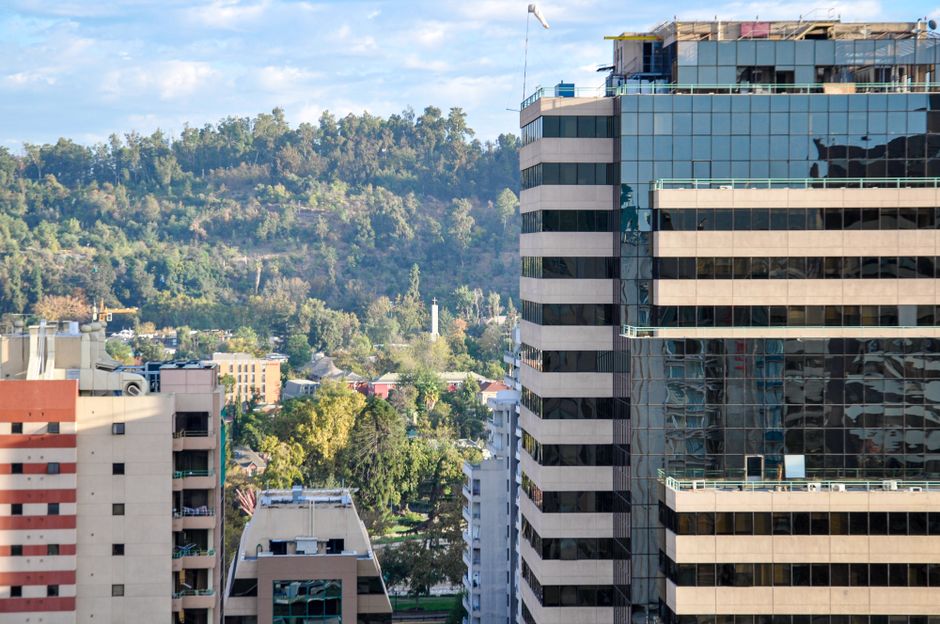
The luxury residential market in Santiago's most coveted addresses is undeniably active. Properties in Las Condes and Vitacura regularly command valuations north of CLP 150M, with trophy assets along Avenida Kennedy and near the San Cristóbal foothills pushing well beyond CLP 200M. Yet beneath the headline prices, institutional investors and high-net-worth buyers are grappling with a harder question: what yield are these properties actually generating?
Current data suggests the answer varies dramatically depending on location, timing, and asset class. Rental yields in prime Las Condes and Vitacura neighbourhoods—traditionally the domain of diplomat corps, corporate executives, and international investors—hover between 2.5 and 3.2 percent annually when calculated against acquisition costs. For context, that's notably compressed from the 4 to 4.5 percent yields available in secondary-prestige zones like Providencia and selected Ñuñoa pockets, where similar-quality apartments command lower entry prices but attract serious renter demand.
The disparity reveals an uncomfortable truth for capital-heavy buyers: much of the Las Condes and Vitacura premium reflects scarcity value, heritage positioning, and owner-occupier preferences rather than cash-flow mechanics. A CLP 180M penthouse near Parque Arauco may appreciate steadily and offer unmatched lifestyle amenities, but its annual rental potential tops out around CLP 4.5M to CLP 5.2M—a 2.5 to 2.9 percent return. Meanwhile, a CLP 95M two-bedroom in mid-tier Providencia, within walking distance of Avenida Providencia's cultural and commercial corridor, can command CLP 3M monthly, translating to 3.8 percent yields.
What's driving this compression? Foreign investor appetite for trophy assets—particularly from Miami, São Paulo, and Asia-Pacific buyers seeking Santiago's political stability and peso diversification—has elevated asking prices in prestige zones faster than rental income can follow. The secondary market remains comparatively rational, with valuations still anchored to genuine tenant economics rather than speculative cache.
The growth neighbourhoods—Maipú and Quilicura—tell a different story entirely. Newer, mixed-income developments in these zones are attracting owner-occupiers and yield-focused investors alike, with properties moving off-plan at mid-range valuations and delivering 4.2 to 5 percent annual returns once leased.
For investors, the lesson is clear: prestige postcodes remain emotionally compelling and strategically sound for wealth preservation and foreign capital placement. But for pure yield optimisation, the mathematics increasingly favour Providencia's established cache and the emerging efficiency of Santiago's expanding southern corridors.
This article was compiled by AI from the sources linked above and screened before publishing. See our editorial standards.