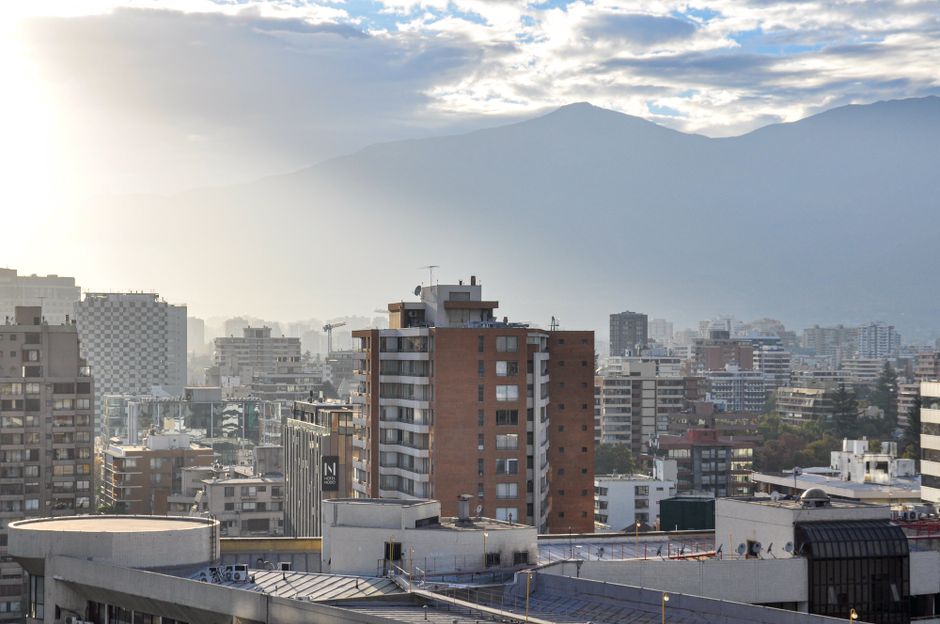
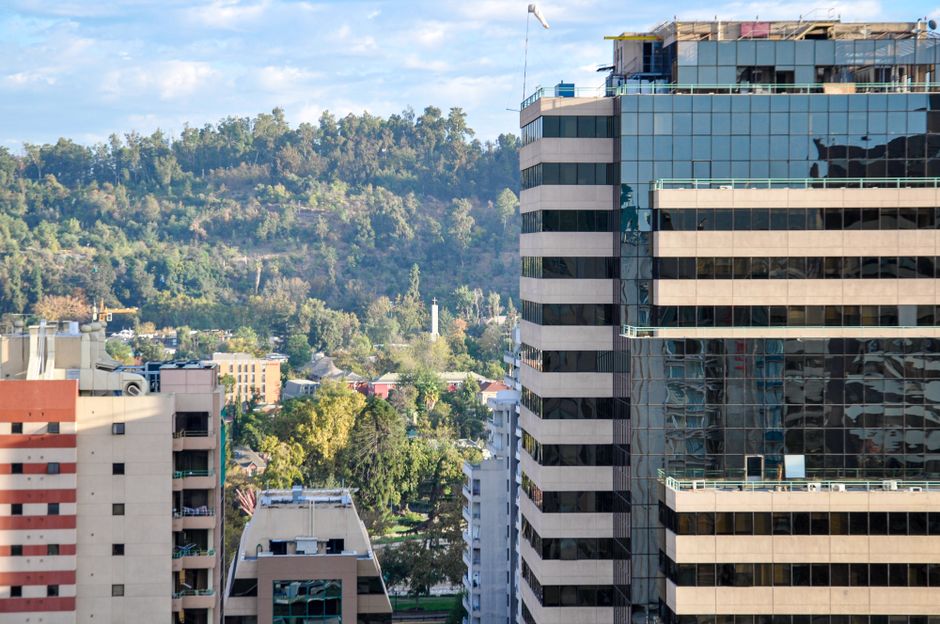
Santiago's property market is sending mixed signals. While the broader Chilean economy navigates interest rate adjustments and inflation concerns, the capital's housing sector continues to defy easy categorization. The average property price has stabilized around CLP 85 million, yet neighbourhood-by-neighbourhood dynamics reveal a market increasingly fractured by supply constraints and shifting buyer demographics.
The primary driver of current price momentum is straightforward: scarcity. Premium neighbourhoods like Las Condes and Vitacura remain supply-constrained, with properties along Avenida Providencia and around the Financial District commanding premium multiples. A two-bedroom apartment in Las Condes routinely reaches CLP 120–150 million, reflecting both the neighbourhood's status and limited new inventory. Meanwhile, the sprawl eastward toward Lo Barnechea continues, with new development corridors attracting both local families and an expanding cohort of foreign buyers seeking appreciation potential.
The foreign buyer influx represents a significant market variable. International capital—particularly from Peru, Argentina, and North America—has intensified competition for mid-range properties in Providencia and Ñuñoa, traditionally the domain of middle-class Santiago families. This external demand has pushed values in these historically accessible neighbourhoods upward, pricing out first-time buyers who might have found footing there five years ago.
Growth corridors tell another story. Maipú and Quilicura, long considered peripheral, are experiencing genuine infrastructure-driven appreciation. The metro expansion projects and commercial development near Centro Comercial Imperio have attracted developers and young professionals seeking value. Properties here typically range CLP 55–75 million, offering relative affordability—but appreciation is accelerating.
What should buyers know now? First, the days of bargain hunting in traditional middle-class zones are ending. Second, timing matters differently depending on location. Premium neighbourhoods are pricing on perceived scarcity; growth zones are pricing on future potential. Third, mortgage conditions remain tight despite recent adjustments, making down payment capacity the real constraint for most buyers.
The Central Bank's inflation management and potential rate adjustments will influence affordability more than property supply in coming months. For buyers, the window for entry into growth neighbourhoods like Quilicura remains open—but only narrowly. In established zones, expect continued competition and pricing that reflects both fundamental value and speculative expectations of foreign capital.
Santiago's market isn't cooling. It's consolidating, with winners and losers increasingly determined by location precision and buyer profile rather than broad neighbourhood categories.
This article was compiled by AI from the sources linked above and screened before publishing. See our editorial standards.