In a capital city where traffic congestion regularly ranks among residents' top stressors, Santiago's wellness community has quietly embraced a collection of deceptively simple daily habits—practices that require no expensive apps, no gym memberships, and no mystical commitment.
The trend reflects a broader shift: according to the Chilean Mental Health Foundation, nearly 40% of Santiago residents report moderate to high stress levels, yet fewer than 20% actively pursue structured mental health support. The gap has created space for accessible, neighbourhood-based rituals.
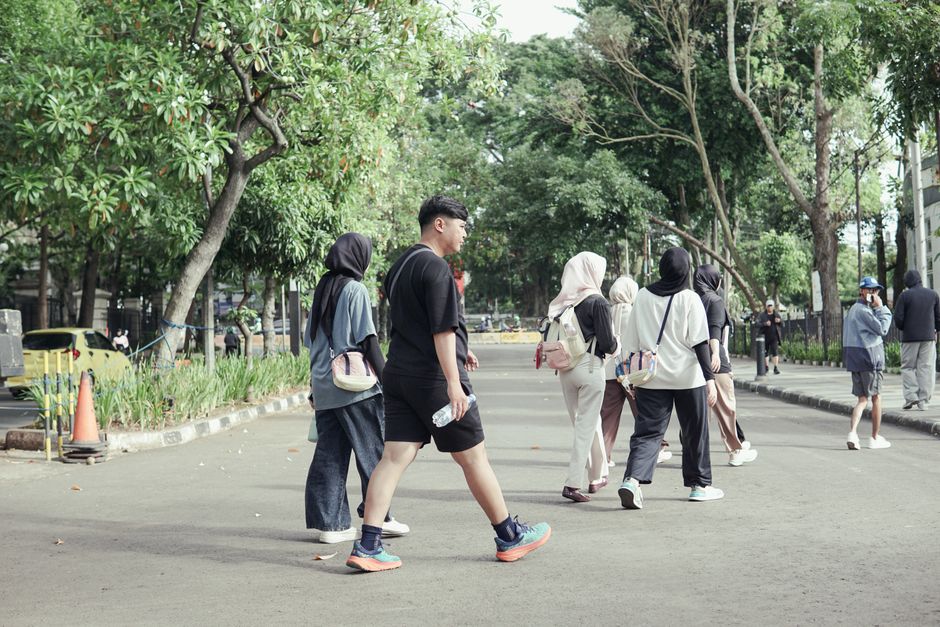
Early morning movement has emerged as the most consistent habit. Residents in Ñuñoa and Las Condes routinely report that a 30-minute walk through Parque Forestal before work—often incorporating deliberate breathing—has become non-negotiable self-care. The park's tree-lined pathways, free and open year-round, serve as an informal wellness hub. Similarly, Cerro San Cristóbal attracts hundreds daily, with many citing the climb itself as meditative rather than purely physical.
Workplace mindfulness has also taken root. Several Santiago companies now encourage employees to step outside during lunch breaks, a practice that costs nothing yet measurably reduces afternoon stress. The city's abundant street markets—particularly those in Barrio Italia and around Plaza de Armas—have become informal reset spaces where residents browse fresh produce and reconnect with their surroundings.
At home, the evening routine has shifted. Rather than scrolling before bed, many santiaguinos now spend 10-15 minutes on basic body-scan meditation or journaling—habits promoted by free community wellness initiatives and culturally adapted mindfulness groups operating across neighbourhoods like Providencia and Vitacura.
What distinguishes these habits is their sustainability: they integrate seamlessly into existing routines rather than demanding radical lifestyle overhaul. A morning coffee ritual becomes a mindfulness moment. A Sunday bicycle ride through the city's expanding cycle lanes transforms into moving meditation. Even the daily commute on Santiago's metro system has become, for some, a quiet opportunity for intention-setting.
Mental health professionals emphasize that consistency matters more than intensity. A five-minute grounding exercise practised daily outperforms occasional spa visits. For a city perpetually racing, Santiago's residents are discovering that the slowest solutions often deliver the deepest results.
For personalized mental health support, consult with local professionals through the Chilean Psychological Association or your healthcare provider.
This article was compiled by AI from the sources linked above and screened before publishing. See our editorial standards.