How to start a walking group in your neighbourhood
Santiago's vibrant barrios are ripe for grassroots fitness communities—here's how to launch your own.
Santiago's vibrant barrios are ripe for grassroots fitness communities—here's how to launch your own.
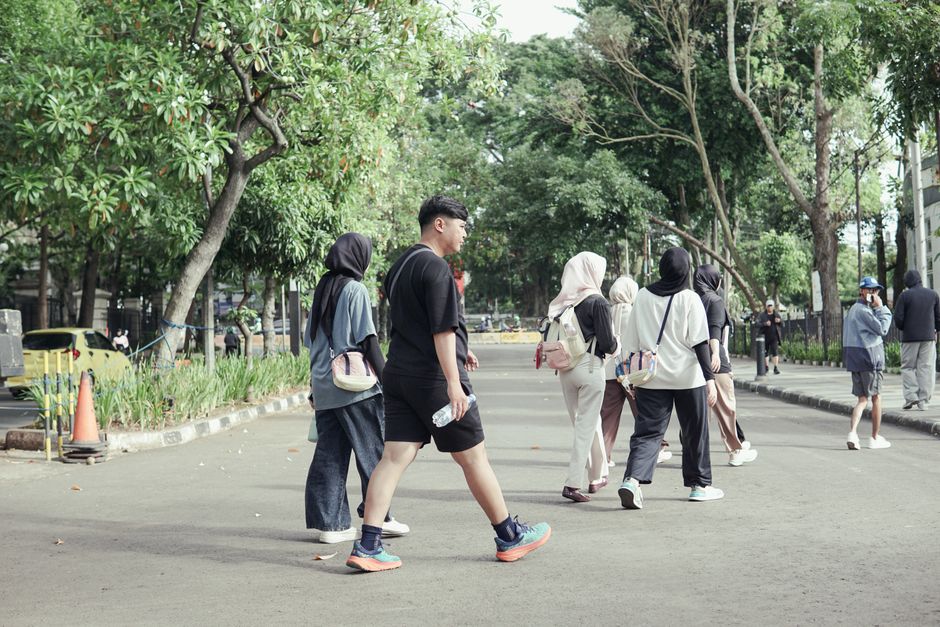
Walking groups have become a quiet revolution in Santiago's neighbourhoods. Unlike formal gym memberships or structured fitness classes, they require minimal investment, no special equipment, and transform routine exercise into social connection. Whether you're in Ñuñoa, Providencia, or Lastarria, starting a neighbourhood walking group is simpler than most people think.
Begin by identifying your natural walking route. Santiago residents already know the obvious anchors: Parque Forestal's tree-lined paths attract thousands weekly, while Cerro San Cristóbal offers hillside terrain for those seeking challenge. But the real opportunity lies in your immediate neighbourhood. A loop through Barrio Brasil's pastel-coloured streets, a circuit around Parque Araucano in Las Condes, or a waterfront walk along the Mapocho in Recoleta can become your group's signature route. Scout it first—check for safe sidewalks, adequate lighting if you plan evening walks, and nearby amenities like cafés for post-walk gatherings.
Next, create a low-barrier entry point. Use WhatsApp, Nextdoor, or local Facebook community groups to recruit founding members. Start small: five to ten people is ideal. Suggest a specific day and time—Saturday mornings at 8 a.m. work well in most neighbourhoods, avoiding peak traffic and summer heat. Make it free; many successful Santiago walking groups operate entirely on goodwill.
Set clear but flexible guidelines. Decide on pace (leisurely social walks typically move at 4–5 kilometres per hour), duration (45 minutes to an hour works for most), and frequency (weekly is sustainable for most volunteer organisers). Communicate that walkers of all fitness levels welcome—this isn't about speed records, but consistency and community.
Consider logistics practically. During winter months (May–August), evening walks may need earlier start times due to darkness. In summer, early mornings beat the heat. If your group grows beyond twenty people, you might split into beginner and intermediate tracks on the same day.
Finally, nurture your group's culture. Rotating leadership prevents burnout; ask members to occasionally lead the route. Many Santiago walking groups create loose traditions—stopping at local farmers' markets in neighbourhoods like Ñuñoa, or grabbing fresh jugo at Parque Forestal afterwards. These rituals build loyalty.
The investment? Virtually nothing upfront. Your time, consistency, and genuine enthusiasm are the only currency required. Santiago's neighbourhoods have the infrastructure and social fabric for thriving walking communities. The question isn't whether your barrio needs one—it's whether you'll take the first step.
This article was compiled by AI from the sources linked above and screened before publishing. See our editorial standards.
How does this story make you feel?
Spread the word
About this article
Published by The Daily Santiago
Daily brief
Free, in your inbox before 7am. Weekdays.
More in Wellness