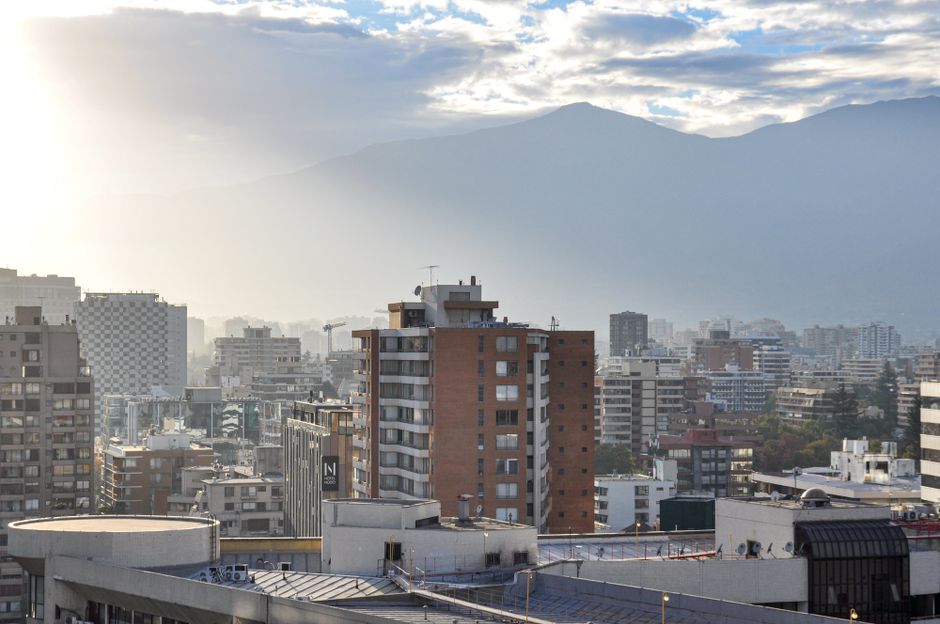
Walk through Parque Forestal on any morning and you'll see Santiago's wellness culture in full display—runners mapping the tree-lined paths, cyclists commuting through Ñuñoa, gym-goers streaming toward Cerro San Cristóbal. Yet behind this active facade lies a quieter reality: preventive health screening adoption remains stubbornly inconsistent, even as global wellness trends increasingly prioritize early detection over reactive treatment.
Chile boasts healthcare infrastructure that rivals developed nations. Private clinics across Providencia, Las Condes, and Vitacura offer comprehensive preventive packages—cardiovascular screenings, metabolic panels, cancer risk assessments—often at costs lower than equivalent US procedures. The Chilean health authority recommends routine checks for adults over 35, including blood pressure monitoring, cholesterol profiling, and age-appropriate cancer screenings. Yet MINSAL data suggests participation rates hover around 40–50% among those eligible, trailing countries like Denmark and Australia where preventive screening integration reaches 70%.
The disconnect puzzles local health professionals. Santiago residents demonstrate genuine wellness engagement—fresh produce markets in San Isidro and Lastarria draw quality-conscious shoppers daily—yet translating lifestyle awareness into preventive medical action remains inconsistent. Part of the gap reflects structural factors: while private healthcare clusters in affluent corridors, public system wait times for preventive screenings can stretch months. Socioeconomic variation matters significantly; wealthier neighbourhoods show higher screening compliance than outlying communas.
Globally, the preventive shift has accelerated. The US emphasizes personalized risk profiling; the UK's NHS expanded bowel cancer screening; Australia integrated mental health assessment into routine check-ups. Santiago's private sector increasingly mirrors these advances—incorporating genetic risk evaluation, digital health tracking, and holistic metabolic assessment. Yet public awareness campaigns remain modest compared to international counterparts.
Dr-led platforms and corporate wellness programs in central Santiago are quietly changing uptake. Companies headquartered in San Cristóbal and Providencia now offer on-site preventive screenings, normalizing routine checks among working-age adults. Some private insurers have begun incentivizing screenings through premium adjustments, mirroring Scandinavian models.
The opportunity is tangible. Santiago's combination of excellent healthcare infrastructure, economically engaged populations, and established fitness culture positions it well for preventive medicine leadership. Closing the gap between availability and action—through targeted public messaging, simplified access pathways, and cultural normalization of screening—could reshape regional health outcomes. For now, Santiago remains caught between its aspirations and its habits: a city that runs, cycles, and shops fresh, yet still underutilizes the preventive tools that could sustain that vitality for decades ahead.
This article was compiled by AI from the sources linked above and screened before publishing. See our editorial standards.