Yoga and Meditation in Santiago: Evidence-Based Tips That Actually Work for Local Conditions
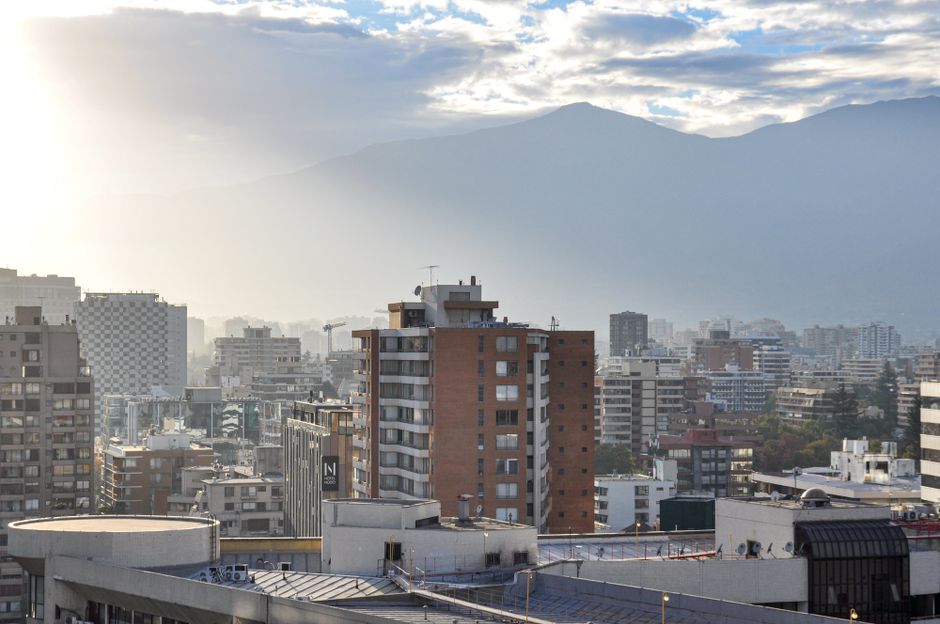
From altitude adjustments to navigating Santiago's pollution patterns, here's what the science says about making your practice stick in the capital.
From altitude adjustments to navigating Santiago's pollution patterns, here's what the science says about making your practice stick in the capital.
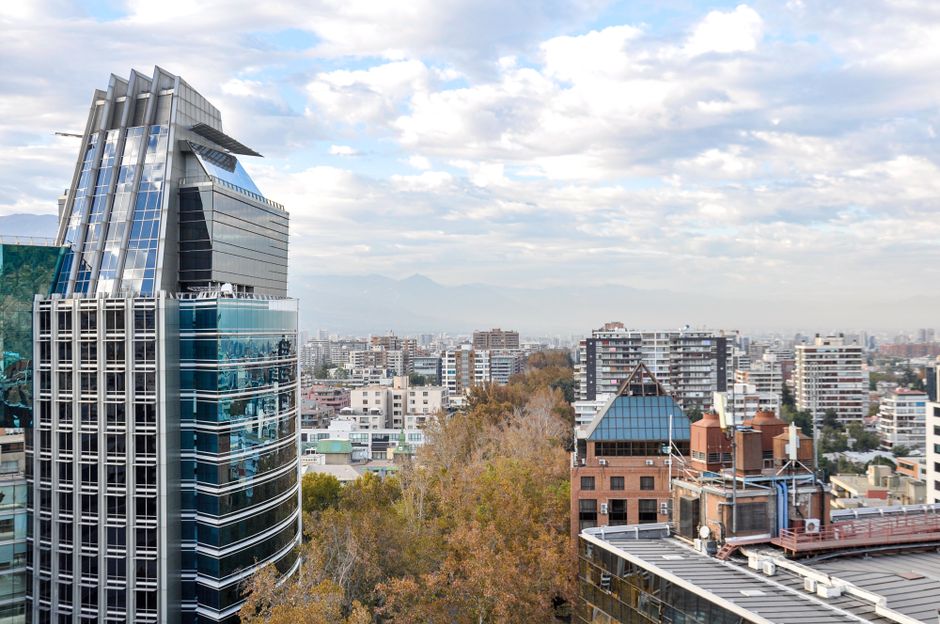
Santiago's unique geography presents both opportunity and challenge for those pursuing yoga and meditation. At 570 metres above sea level, the capital's altitude affects oxygen availability—something worth considering before attempting vigorous vinyasa flows. Research suggests starting with gentler, breath-focused practices when you first establish a routine, allowing your cardiovascular system to adapt. Many studios in Ñuñoa and Lastarria have begun structuring beginner classes around pranayama (breathing techniques) rather than immediately moving into demanding asanas, a shift supported by physiological evidence.
Air quality fluctuations present another local reality. During winter months (June through August), when thermal inversions trap pollution over the capital, indoor practice becomes not just preferable but medically sensible. The good news: Santiago's wellness infrastructure has expanded significantly. Studios across Providencia and Las Condes now offer climate-controlled environments, and several organizations have published guidelines on adjusting practice intensity during high-pollution alerts—information worth checking before heading out.
Timing matters more here than in many places. Morning meditation between 6 and 8 a.m. catches the cleanest air, before rush-hour traffic peaks. A 2024 regional study found that meditators practicing in early morning hours reported better focus and fewer respiratory distractions. If evening practice appeals to you, studios near Parque Forestal—where tree cover naturally filters air—offer environmental advantages over central locations.
The seasonal light variation is significant. Santiago experiences dramatic differences in daylight hours between summer and winter, affecting circadian rhythms and meditation depth. Establishing a consistent practice schedule, rather than following light cues as you might elsewhere, produces better long-term results according to sleep and wellness research. Many practitioners find that anchoring their routine to a specific time—regardless of darkness or daylight—creates stability that benefits mental health.
Chile's strong market for fresh produce offers a practical wellness advantage. Incorporating seasonal vegetables from the Vega Central into your diet supports the anti-inflammatory benefits that complement regular meditation practice. Science consistently shows that dietary choices and contemplative practice work synergistically for overall wellbeing.
For those new to formal practice, local yoga teacher associations recommend starting with 10-15 minute daily sessions rather than longer weekly classes—evidence suggests consistency trumps duration for building sustainable habits. Whether you practice in a studio, at home, or occasionally in Cerro San Cristóbal's quieter corners, adapting your approach to Santiago's specific conditions increases the likelihood your practice becomes genuinely transformative rather than another abandoned wellness experiment.
This article was compiled by AI from the sources linked above and screened before publishing. See our editorial standards.
How does this story make you feel?
Spread the word
About this article
Published by The Daily Santiago
Daily brief
Free, in your inbox before 7am. Weekdays.
More in Wellness