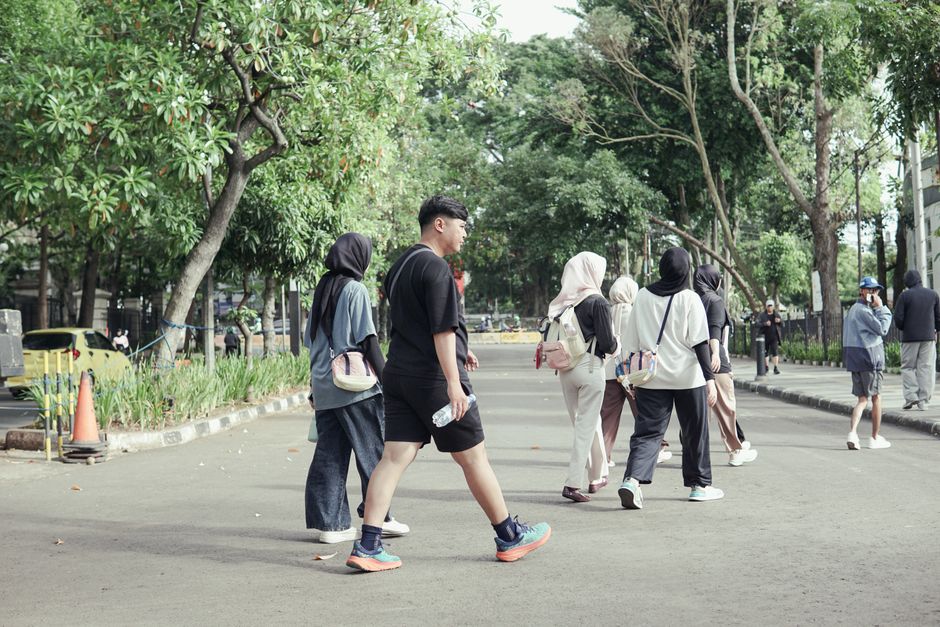
On weekday mornings, Cerro San Cristobal's winding paths fill with a demographic that fitness marketing often overlooks: people in their sixties, seventies and beyond, moving with purpose. They're part of a quiet but unmistakable shift in Santiago's approach to ageing—one where mobility, strength and community aren't treated as luxuries reserved for the young.
The numbers tell part of the story. Chile's over-60 population now represents roughly 18% of the country, and according to health ministry data, inactive seniors face nearly triple the risk of mobility decline compared to their active peers. Yet across Santiago's neighbourhoods—from the tree-lined streets of Parque Forestal to community gyms in San Miguel—older adults are reclaiming their physical agency in ways that ripple far beyond personal fitness.
Several community-led initiatives have emerged as quiet catalysts. The Municipalidad de Ñuñoa's free tai chi and flexibility classes, held three times weekly near the Biblioteca Parque Araucano, have built steady attendance. Private studios along Avenida Providencia now offer low-impact group sessions specifically designed for joint health and fall prevention—a shift from five years ago when such offerings barely existed. Cycling clubs centred around Parque Intercomunal de La Reina have welcomed riders over 60, many of whom rediscovered the sport after decades away.
What makes these transformations compelling isn't just the physical change. Participants frequently report improved sleep, sharper cognitive function and—perhaps most valuable—restored social connection. For many, structured activity provides rhythm and community that combats the isolation that often accompanies later years.
The infrastructure helps. Santiago's excellent public parks and the prevalence of private healthcare facilities mean older adults have accessible options. A subsidised membership at a community centre costs roughly 15,000–25,000 pesos monthly, while private studios range from 50,000–100,000 pesos. More crucially, knowledge is spreading: physiotherapists and geriatric specialists increasingly tailor advice around sustainable movement rather than rest.
The transformation narrative matters beyond individual stories. When mobility, strength and mental health improve in one's sixties or seventies, the cascade effects reshape how families, neighbourhoods and the city itself understand ageing. It stops being something that happens to you and becomes something you actively shape.
If you're considering increasing your activity level or managing mobility concerns, consult your doctor or a local physiotherapist—Santiago has exceptional medical professionals who can advise on what's safe and appropriate for your specific situation.
This article was compiled by AI from the sources linked above and screened before publishing. See our editorial standards.