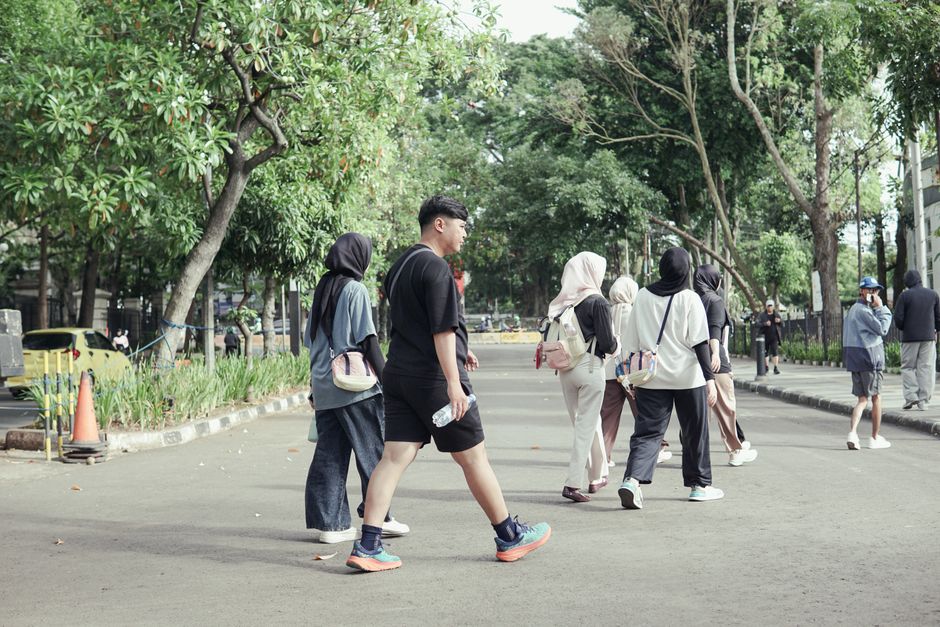
On any given Saturday morning in Parque Forestal, you'll witness something remarkable: strangers becoming teammates, competitive spirits softening into collective encouragement, and the kind of community cohesion that extends far beyond cardiovascular benefits. Santiago's fitness challenge ecosystem has evolved dramatically over the past three years, transforming what were once solitary jogging routes into vibrant social movements that bind neighborhoods together.
The numbers tell a compelling story. Local health data from 2025 shows that Santiaguinos participating in organized group fitness events reported 34% higher adherence rates compared to those exercising independently—a significant shift in how our city approaches wellness. Events like the Cicletada Nocturna, which winds through Las Condes and Providencia, now regularly attracts over 2,000 participants, while park-based challenges in Cerro San Cristóbal have created sustained communities of practitioners who gather weekly regardless of weather.
What makes these challenges particularly effective isn't simply the structure they provide. It's the social accountability they cultivate. A marketing professional from Ñuñoa described joining a twelve-week running challenge organized through local fitness collectives as "finding my people." The blend of achievable milestones—whether that's a 5K progression or a cumulative distance target—combined with shared community spaces creates psychological momentum that individual fitness rarely generates.
The economic accessibility matters too. Most organized challenges in Santiago cost between 15,000 and 35,000 pesos for eight-to-twelve week programs, making them comparable to three to four premium coffee purchases. Community-led initiatives in neighborhoods like San Miguel and Estación Central often operate on donation-based models, ensuring that socioeconomic factors don't gatekeep wellness participation.
Beyond the physical metrics, these events have fostered unexpected social infrastructure. Cycling collectives meeting near Parque O'Higgins have organized mentorship programs for beginners. Running clubs utilizing routes through Parque Forestal have established informal mental health support networks. One group now coordinates group trips to local farmers markets to discuss nutrition holistically.
Perhaps most significantly, these fitness challenges model a different relationship to movement itself—one grounded in connection rather than competition, in consistency rather than intensity. For a city historically defined by individual achievement, that reframing represents genuine cultural evolution.
For information about local fitness challenges and community events, contact your neighborhood municipality office or explore platforms like Meetup, which lists numerous Santiago-based wellness groups.
This article was compiled by AI from the sources linked above and screened before publishing. See our editorial standards.