The Daily Routines Keeping Santiago's Older Adults Mobile: Five Habits That Actually Work
From early morning walks in Parque Forestal to market trips in La Vega, locals share the practical strategies that have transformed how they age.
From early morning walks in Parque Forestal to market trips in La Vega, locals share the practical strategies that have transformed how they age.
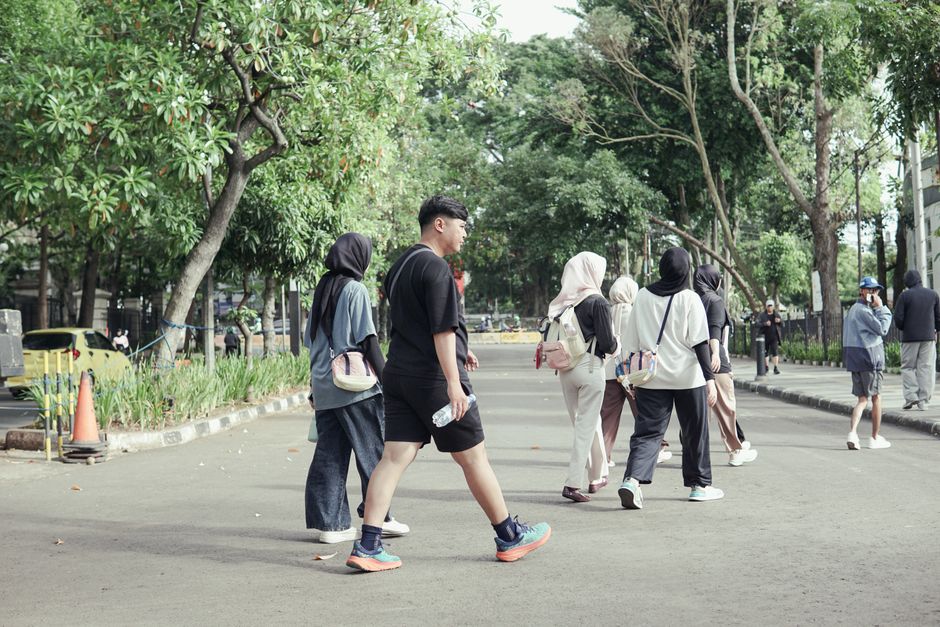
On any given morning in Santiago, the pathways through Parque Forestal fill with a familiar rhythm: pensioners moving between the jacaranda trees, some with walking poles, others pushing grandchildren in strollers. What appears casual is, for many, a deliberate strategy—one that gerontologists increasingly recognize as central to maintaining mobility after 60.
Recent Chilean health data suggests that adults over 65 who maintain consistent movement patterns report 40% better joint function compared to sedentary peers. Yet the secret isn't gym memberships or expensive classes. It's habit.
Residents across Santiago's established neighborhoods have adopted five practical daily routines that specialists now track informally. The first: the morning market circuit. Regular visits to La Vega or neighborhood ferias near Bellavista aren't just about groceries—the walking, climbing stairs, and navigating crowds provides what physiotherapists call "functional training." A 45-minute market visit engages core muscles, balance, and decision-making simultaneously.
Second is the Cerro San Cristóbal approach. Rather than avoiding hills, many locals deliberately incorporate graduated elevation into daily life. A slow walk up portions of the park—roughly 150 meters elevation gain over 30 minutes—builds leg strength without the joint impact of flat-ground running.
Third: the cycling culture. Even modest recreational cycling, common in neighborhoods like Ñuñoa and Providencia, maintains hip and knee mobility. Local bike rental networks near Metro stations cost around 2,000 pesos monthly, making it accessible.
Fourth is what locals call "la conversación caminando"—the walking conversation. Rather than meeting for coffee, friends walk while talking. This social component, combined with steady movement, addresses both isolation and sedentary behavior.
Finally, there's intentional stair use. Many Santiaguinos deliberately avoid elevators in their apartment buildings, treating stairs as daily mobility maintenance. This habit, repeated dozens of times weekly, strengthens the exact muscles that prevent falls.
What makes these approaches sustainable is their integration into existing routines rather than being additions to daily life. They don't require special equipment, memberships, or significant time commitments. They simply require intention.
Dr. recommendations vary individually—consult local healthcare providers about what suits your specific health profile. But observing how Santiago's active older adults move through their city reveals something researchers emphasize: the most effective wellness strategies are those woven into daily life, not imposed upon it.
The pathways remain open. The question is simply whether we use them.
This article was compiled by AI from the sources linked above and screened before publishing. See our editorial standards.
How does this story make you feel?
Spread the word
About this article
Published by The Daily Santiago
Daily brief
Free, in your inbox before 7am. Weekdays.
More in Wellness