Running Santiago's Best Trails: Evidence-Based Tips That Actually Work for Local Conditions
From altitude adjustment to heat management, here's what science says about training safely on the city's most popular routes.
From altitude adjustment to heat management, here's what science says about training safely on the city's most popular routes.
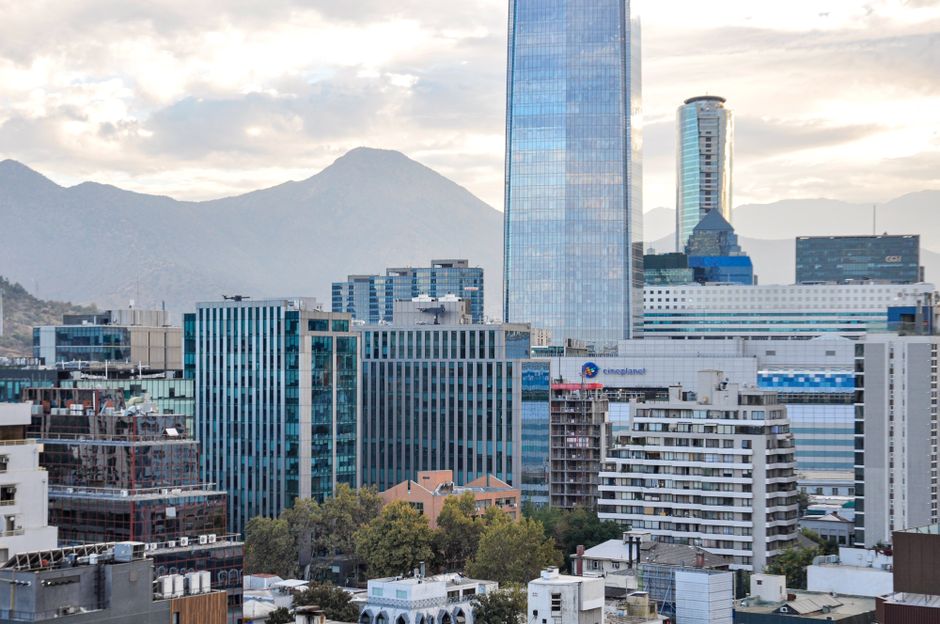
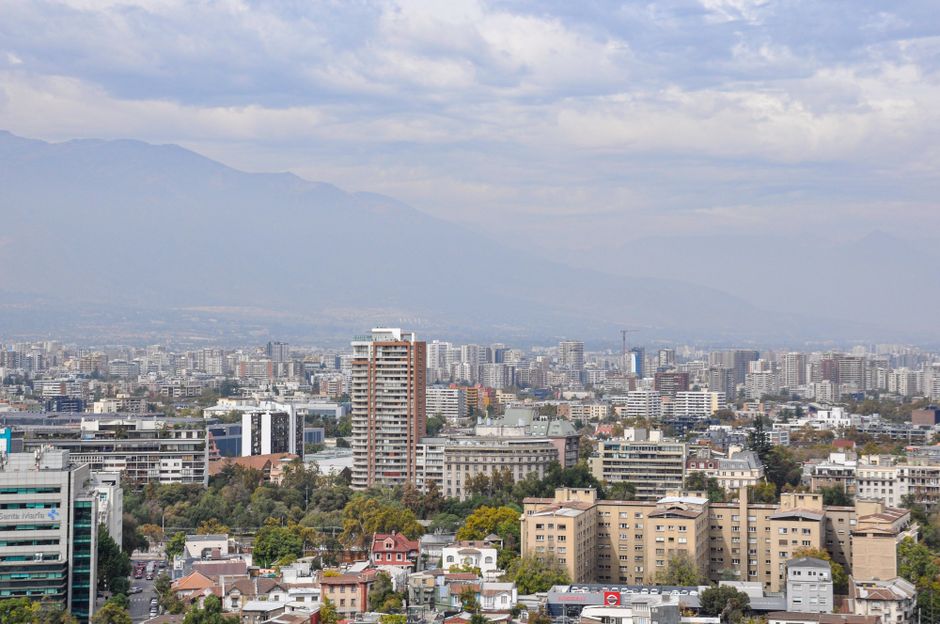
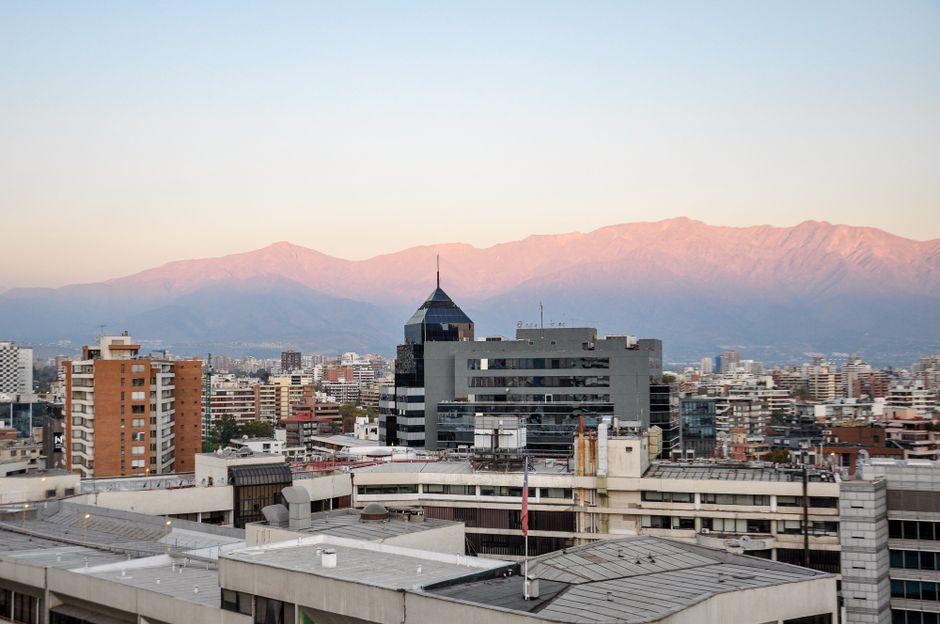
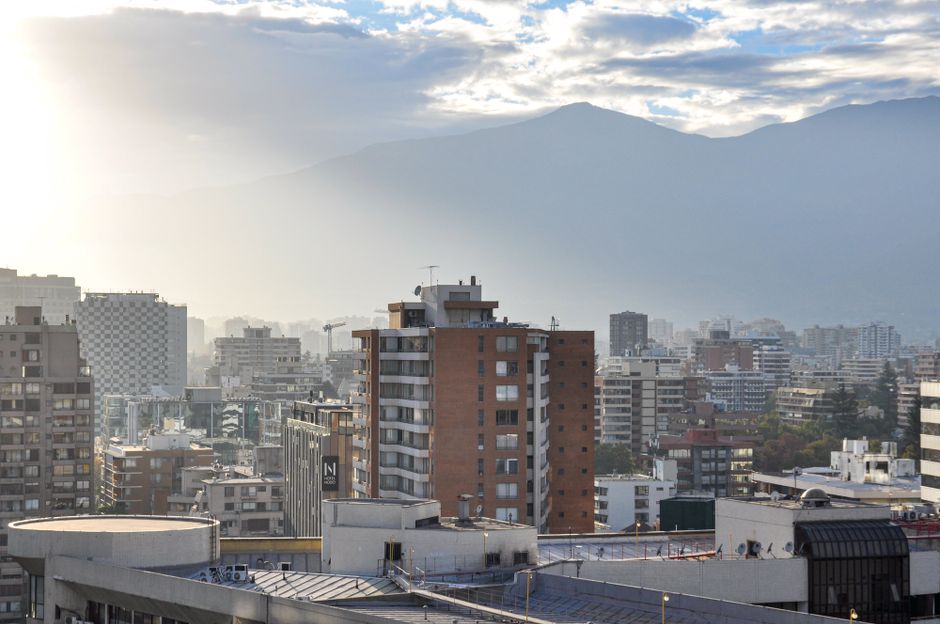
Santiago's running culture thrives on its abundance of accessible outdoor trails, but the city's unique geography—altitude, intense summer heat, and variable air quality—demands a different approach than lowland training. Research on high-altitude performance and urban heat stress offers practical guidance for runners navigating the capital's most popular routes.
Cerro San Cristóbal remains the city's premier running destination, with trails ascending 860 metres above the city centre. Studies on altitude adaptation show that even modest elevation gains affect oxygen availability. For runners new to the area or training above 800m, physiologists recommend a two-week acclimatisation period, incorporating 60-70% effort efforts rather than maximal intensity sessions. The park's network of paths—from gentle slopes near Plaza de Armas entrance to steeper terrain toward the summit—allows progressive training as your body adjusts.
Parque Forestal's flatter, tree-lined routes in Ñuñoa offer an excellent alternative during Santiago's summer months (December-February), when temperatures regularly exceed 30°C. Heat dissipates more efficiently on shaded, lower-elevation paths. Evidence-based hydration protocols suggest drinking 400-600ml of fluids per hour during warm-weather runs lasting over 60 minutes, rather than waiting until thirst signals—dehydration impairs performance measurably even before you feel thirsty.
Air quality significantly affects breathing mechanics and cardiovascular strain. Santiago's air quality index (AQI) fluctuates seasonally; when readings exceed 150, research indicates running intensity should decrease by approximately 20-30%. Several fitness apps now integrate local AQI data. On high-pollution days, early morning runs (before 8am) or evening sessions (after 7pm) typically coincide with lower particle counts.
The city's cycling infrastructure—growing steadily with new ciclovías across neighbourhoods like Lastarria and Providencia—provides excellent cross-training opportunities. Alternating running and cycling reduces repetitive stress injuries by 15-20% compared to single-sport training, according to sports medicine research.
Practical timing matters: Santiago's intense midday sun (11am-3pm) elevates core body temperature rapidly. Morning runs on Cerro San Cristóbal or evening sessions on Parque Forestal align better with physiological efficiency than midday training, especially during austral summer.
Local runners benefit from investing in quality sun protection and hydration gear, available at specialist retailers throughout Providencia and Las Condes. Before starting any new training program, particularly at altitude, consulting Santiago's excellent network of sports medicine professionals ensures your routine suits your individual health profile.
This article was compiled by AI from the sources linked above and screened before publishing. See our editorial standards.
How does this story make you feel?
Spread the word
About this article
Published by The Daily Santiago
Daily brief
Free, in your inbox before 7am. Weekdays.
More in Wellness