Three years ago, a morning jog around Santiago meant navigating Avenida Providencia's sidewalks or accepting the monotony of a treadmill. Today, the city's running culture has transformed into something far more ambitious: a sprawling network of trails, parks, and organised communities that have turned outdoor fitness into the capital's defining wellness trend.
The shift is particularly visible in Cerro San Cristóbal, where the park's eastern and western circuits have become de facto training grounds for everyone from casual joggers to serious athletes. Weekend mornings now see hundreds of runners tackling the 1.8-kilometre ascent, drawn by both the cardiovascular challenge and the city views that rival any gym motivation video. The park's free access has been crucial to its appeal—a factor that contrasts sharply with Santiago's premium private fitness sector, where monthly memberships regularly exceed 80,000 Chilean pesos.
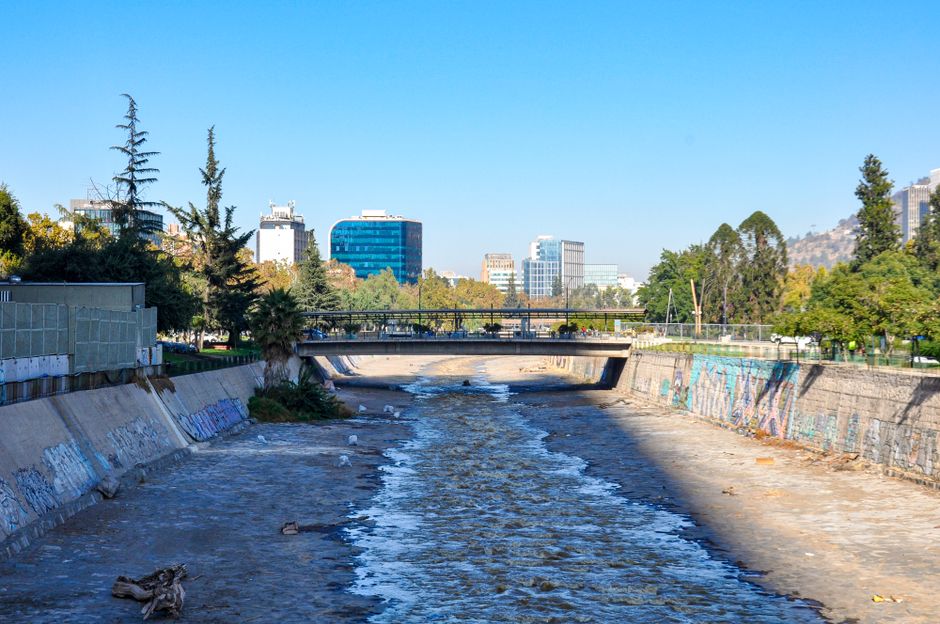
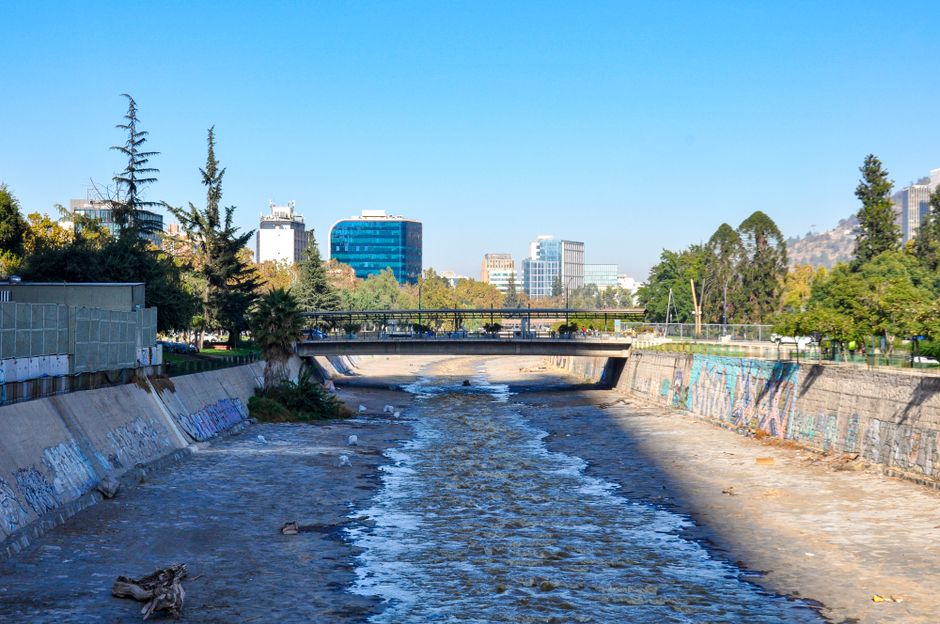
Parque Forestal, stretching nearly two kilometres through the heart of Ñuñoa and towards Plaza Italia, has similarly emerged as the city's de facto running boulevard. The tree-lined paths offer relief from urban heat and provide the psychological benefits that research consistently links to outdoor exercise—factors that matter increasingly as Santiago grapples with summer temperatures regularly exceeding 30 degrees Celsius.
What's driving this trend goes beyond nostalgia for outdoor movement. Santiago's cycling culture—famously robust, with dedicated ciclovías crisscrossing neighbourhoods like Lastarria and Bellavista—has created infrastructure that walking and running communities have learned to navigate and advocate for. Local running clubs, many informal but increasingly organised through social platforms, now coordinate group sessions that build community while distributing the psychological load of sustained exercise.
The wellness narrative has shifted too. Rather than framing outdoor running as a budget alternative to boutique fitness, santiaguinos have reframed it as a superior option: access to natural light, altitude training benefits, and—crucially—the social dimension that individual gym sessions cannot replicate. The trend reflects broader wellness thinking that increasingly emphasises mental health alongside physical metrics.
Cerro San Cristóbal's ecological restoration efforts and ongoing improvements to Parque Forestal's pathways suggest municipal recognition of this shift. The city appears to be betting that open-air fitness infrastructure—free, accessible, and aligned with Santiago's geography—represents genuine public health infrastructure.
For anyone considering joining this trend, local running communities offer free orientations most weekends. Start conservatively on flatter routes before tackling Cerro San Cristóbal's elevation, and always consult a healthcare provider before beginning any new exercise programme.
This article was compiled by AI from the sources linked above and screened before publishing. See our editorial standards.