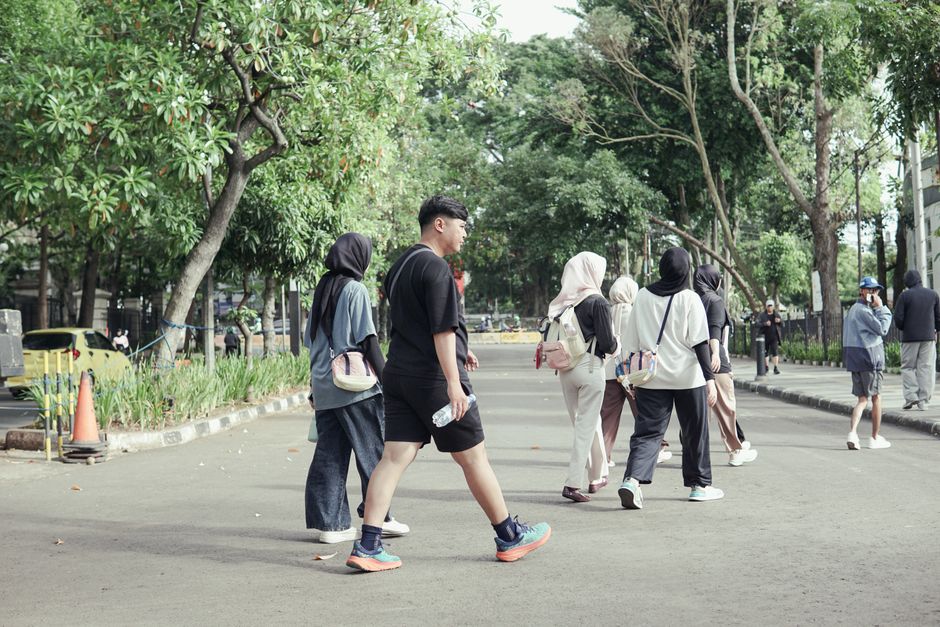
On any given morning along Avenida Santa María in Parque Forestal, you'll encounter dozens of runners weaving through tree-lined paths, their presence a testament to a quiet but unmistakable shift in Santiago's fitness landscape. What began as isolated joggers tackling the park's 33 hectares has evolved into a full-fledged wellness movement that now defines how santiaguinos approach exercise in 2026.
The numbers tell the story. Local running clubs have reported membership increases of 40 percent over the past two years, with groups like those organised through the Asociación de Corredores de Santiago regularly hosting guided trail sessions. Cerro San Cristóbal, the city's iconic 860-metre peak accessible via cable car or foot, has become particularly popular. Its network of ascending trails offers both accessibility for beginners and genuine challenge for experienced runners—all within the metropolitan area and rewarding participants with panoramic views of the Andes.
Unlike traditional gym memberships, which typically cost between 45,000 and 85,000 Chilean pesos monthly, outdoor running requires minimal financial investment. Entry to most parks is either free or nominal, making this wellness trend democratically appealing across income levels. The cycling culture Santiago has cultivated for years—bolstered by dedicated ciclovías and infrastructure improvements—has created an ecosystem primed for running expansion.
Beyond Parque Forestal and Cerro San Cristóbal, runners now frequent the renovated paths around Parque Bicentenario in Vitacura, while those seeking urban trail experiences navigate the quieter stretches near Parque O'Higgins. The trend reflects broader wellness conversations circulating through Santiago's health-conscious communities: the recognition that exercise needn't happen indoors, and that accessibility—both geographic and financial—matters.
Local running groups have become informal community hubs, fostering connections between neighbours across districts like Ñuñoa, Las Condes, and Providencia. Social media has amplified visibility, with route-sharing apps helping runners discover new paths while building accountability networks.
This movement also aligns with Santiago's seasonal climate advantages. The austral winter brings cooler temperatures ideal for sustained outdoor effort, while spring and autumn offer crisp mornings that many experienced runners consider optimal for performance.
For those considering joining Santiago's running renaissance, consulting with a local sports medicine professional can help establish appropriate training protocols. The city's robust private healthcare infrastructure ensures accessible guidance for injury prevention and performance optimisation.
As Santiago continues urbanising, these outdoor fitness spaces represent something increasingly precious: accessible wellness that connects residents to their city's natural features while building healthier, more connected communities.
This article was compiled by AI from the sources linked above and screened before publishing. See our editorial standards.