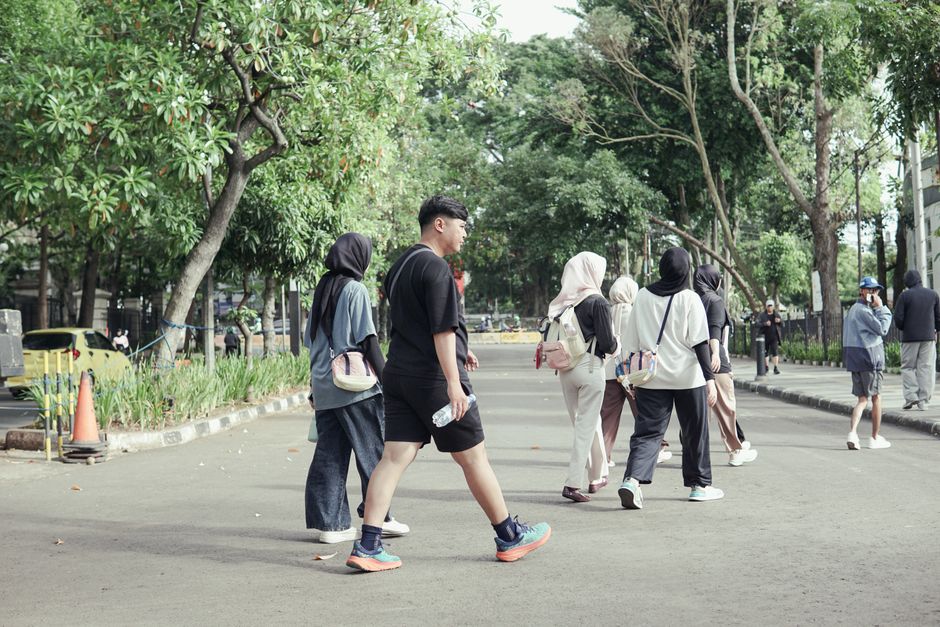
Walk through Parque Forestal on any weekday morning and you'll notice a shift. Among the joggers and cyclists threading through the tree-lined paths are groups of adults over 60, moving with intentional purpose—some Nordic walking with poles, others practising tai chi on the grass, a few tackling the gentle inclines with determination. This scene, increasingly common across Santiago's parks and neighbourhood plazas, signals a broader wellness movement reshaping how the city thinks about ageing.
Senior active ageing has become one of Chile's fastest-growing wellness trends, driven by demographic realities and a cultural realignment around what it means to age well. According to recent data from the Ministry of Health, over 18% of Santiago's population is now over 60, with projections suggesting this will reach 28% by 2040. Rather than viewing this as a challenge, fitness centres and community organisations across neighbourhoods like Ñuñoa, Providencia, and Las Condes are designing programmes specifically targeting mobility, balance, and functional strength in older adults.
The Cerro San Cristóbal area has emerged as a natural hub for this movement. The park's accessible pathways and varying terrain attract hundreds of seniors weekly, many participating in organised walking groups that meet near the funicular station. Local community centres along Avenida Lastarria now offer subsidised classes in aquatic exercise and low-impact dance, recognising that affordability remains crucial for widespread adoption.
Private healthcare providers have noticed the trend too. Clinics across the Providencia and Vitacura areas report rising demand for physiotherapy consultations focused on preventative mobility work rather than injury recovery—a meaningful shift in how older Santiaguinos approach their health. The cost varies, but preventative assessments typically range from 80,000 to 150,000 pesos.
What makes Santiago's version of this global trend distinctive is its integration with local infrastructure. The city's cycling culture, traditionally youth-dominated, now includes dedicated elder cycling groups utilising the bike lanes along the Mapocho riverside. Meanwhile, the abundance of fresh produce at markets like La Vega has fuelled interest in nutrition-focused wellness seminars targeted at older adults wanting to optimise their diets alongside movement practices.
Experts emphasise that this shift reflects a fundamental change in expectations. Rather than accepting decline as inevitable, Santiago's active seniors are leveraging accessible green spaces, affordable community programmes, and improved healthcare awareness to maintain independence and vitality. As the city continues to age, this wellness movement isn't just a trend—it's becoming essential infrastructure for urban wellbeing.
This article was compiled by AI from the sources linked above and screened before publishing. See our editorial standards.