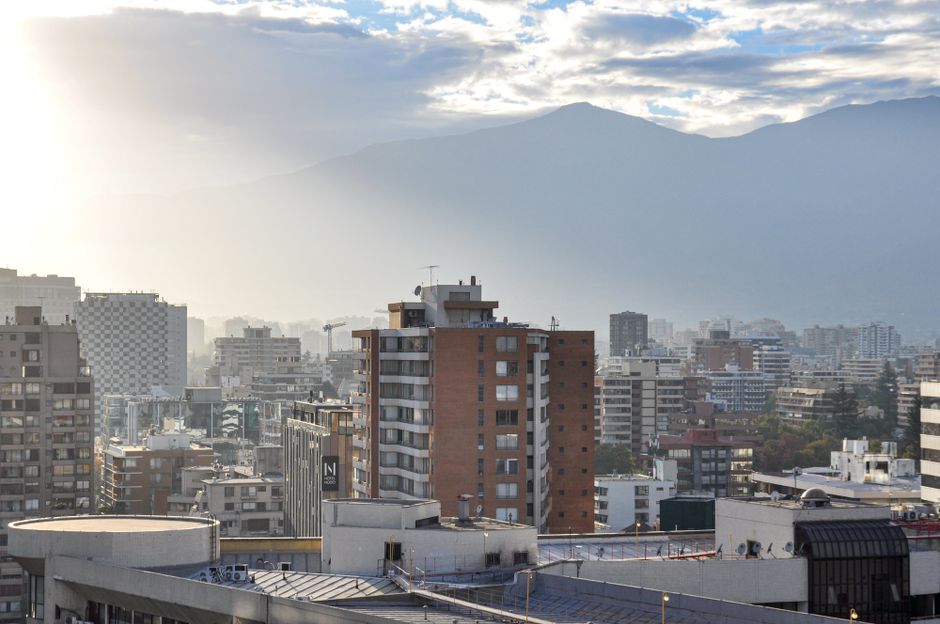
When it comes to keeping people moving past 60, the global wellness industry has settled on a clear narrative: low-impact exercise, community-based programs, and accessible green spaces are non-negotiable. Santiago, it turns out, is already delivering on two of those three fronts—and catching up fast on the third.
Internationally, countries like Sweden and Denmark have long dominated conversations around active ageing, with structured municipal fitness programs reaching upwards of 40 percent of adults over 65. Australia's 'Active Ageing Australia' framework and Canada's extensive senior-focused recreation networks have set benchmarks for preventative mobility work. Yet Santiago's approach has been distinctly different: organic, neighbourhood-driven, and increasingly data-backed.
The numbers tell a compelling story. According to recent MINSAL (Chile's health ministry) data, participation in structured fitness activities among Santiaguinos aged 60+ has grown from 18 percent in 2019 to 31 percent by 2025. That's not Nordic-level saturation, but it reflects genuine momentum. The rise correlates directly with investment in accessible public spaces: Cerro San Cristóbal's renovated pathways now attract morning walkers daily, while the Parque Forestal's 4.2-kilometre circuit has become a de facto outdoor gymnasium for older adults.
Chile's cycling boom has also benefited seniors in unexpected ways. With over 400 kilometres of bike lanes now spanning neighbourhoods from Providencia to La Florida, the infrastructure designed primarily for younger commuters has created low-stress mobility options for people in their 60s and 70s. Private institutions like CESFAM clinics across Santiago increasingly prescribe cycling and walking routes rather than pharmaceutical interventions alone—a shift toward preventative wellness that mirrors global best practice.
Where Santiago still lags globally is in subsidised, structured programming. A ten-week senior mobility class at a private gym in Ñuñoa or Vitacura costs 180,000–220,000 CLP monthly—steep for many pensioners, even compared to Nordic countries where public funding covers most costs. Public alternatives exist through municipal programmes, but awareness remains patchy across neighbourhoods.
The real advantage Santiago holds is cultural: older adults here already move. Mercado Central shoppers, Plaza de Armas walkers, weekend hikersheading toward San Cristóbal—these aren't medicalised fitness routines. They're woven into daily life. Global wellness trends emphasise what Santiaguinos seem to intuitively grasp: ageing actively isn't about gyms or apps. It's about designing cities where movement is the path of least resistance.
As municipal governments expand park accessibility and cycling infrastructure, that intuition is becoming policy. Santiago may never match Nordic subsidy levels, but it's building something equally valuable: a city where staying mobile in your seventies doesn't require a membership card.
This article was compiled by AI from the sources linked above and screened before publishing. See our editorial standards.