From Solo Joggers to Unified Movements: How Santiago's Fitness Challenges Are Building Community
Group competitions across parks and neighbourhoods are transforming how capitalinos approach exercise—and each other.
Group competitions across parks and neighbourhoods are transforming how capitalinos approach exercise—and each other.

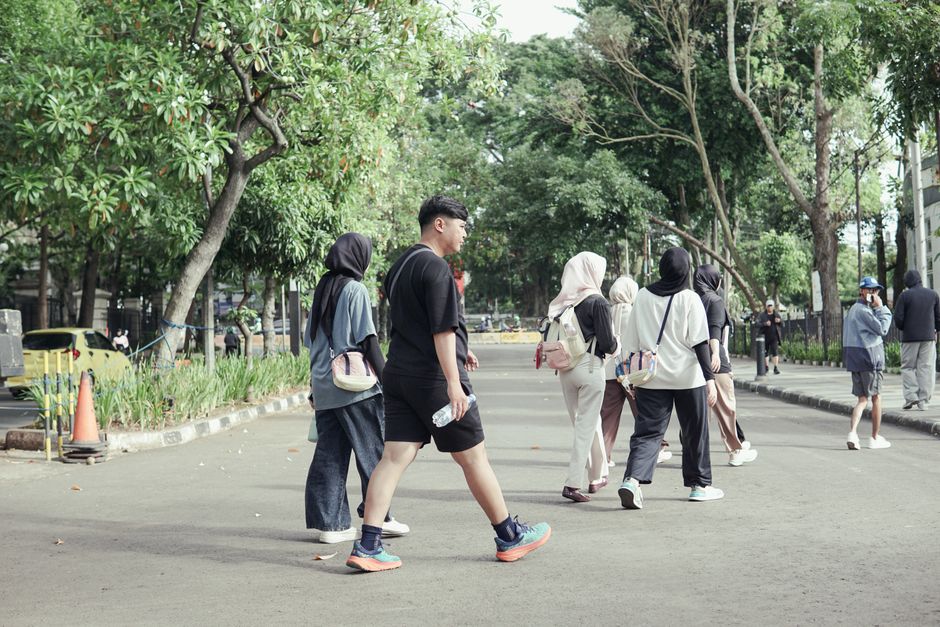
Walk through Parque Forestal on any Saturday morning and you'll notice something shift in the air around 8 a.m. What were once scattered runners and cyclists suddenly coalesce into organized clusters. This isn't coincidence. It's the result of a growing ecosystem of community fitness challenges that have transformed Santiago's relationship with group exercise over the past 18 months.
The trend reflects a broader pattern across Latin America's fitness landscapes, but Santiago's particular geography and cycling culture have created ideal conditions for these movements to flourish. "We've seen participation in organized community events grow by roughly 35 percent since 2024," according to data from local wellness coordination bodies tracking fitness participation across the metropolitan area.
One of the most visible examples is the monthly climbing challenges at Cerro San Cristóbal, where residents from Ñuñoa, Providencia, and Las Condes converge to tackle timed ascents. The elevation gain—roughly 300 metres from base to summit—makes it accessible for beginners while remaining competitive for experienced athletes. Entry fees hover around 15,000 pesos, with proceeds typically supporting local trail maintenance.
But community fitness challenges extend far beyond the obvious venues. The Lastarria neighbourhood has pioneered a series of low-impact circuit competitions along its tree-lined streets, drawing older adults and those recovering from injury. Meanwhile, the cycling community—integral to Santiago's identity—hosts monthly "ciclovía challenges" that blend speed trials with scavenger hunt elements, weaving participants through neighbourhoods from Bellavista to San Miguel.
These challenges work because they solve a fundamental problem: motivation. Solo runners and cyclists face friction—weather, fatigue, competing priorities. Group challenges introduce accountability and social reward. They've also democratized elite fitness culture. Where expensive gym memberships once dominated Santiago's wellness economy, community events create low-barrier entry points. Many are free or cost-subsidized.
The psychological benefits compound quickly. Participants report stronger neighbourhood connections and increased exercise adherence. One Parque Forestal regular noted that joining a monthly running group transformed her routine from sporadic to consistent—a common refrain among newcomers to these initiatives.
Santiago's fresh produce markets, excellent year-round climate, and existing cycling infrastructure make the city particularly suited for this movement. The next evolution? Expect more cross-neighbourhood challenges that incentivize travel between districts, further binding the city's communities through shared physical goals.
For those considering joining, start by checking local municipality websites or cycling clubs—most organize regular events requiring only basic fitness and genuine interest in moving alongside neighbours.
This article was compiled by AI from the sources linked above and screened before publishing. See our editorial standards.
How does this story make you feel?
Spread the word
About this article
Published by The Daily Santiago
Daily brief
Free, in your inbox before 7am. Weekdays.
More in Wellness