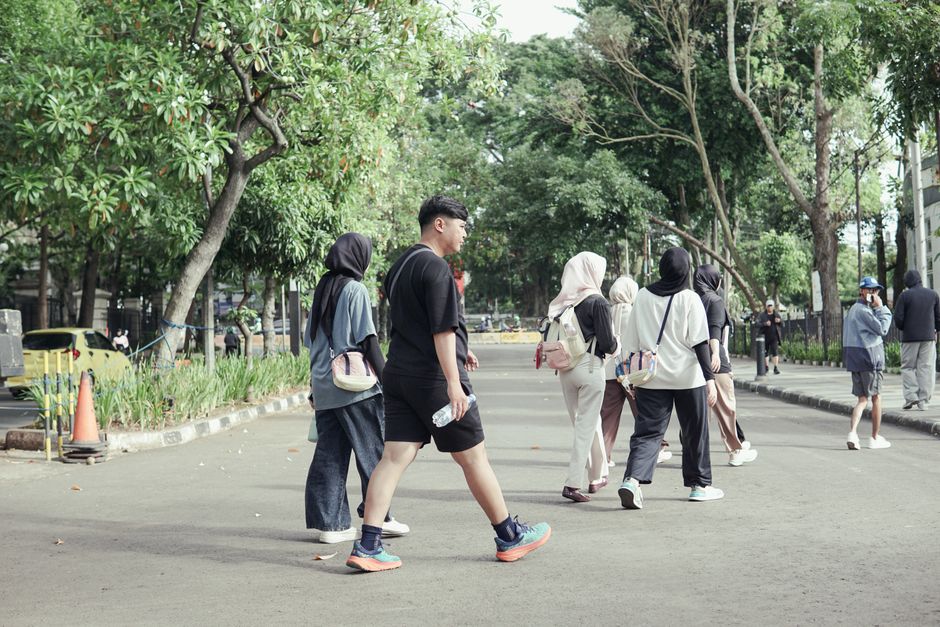
In Santiago's competitive fitness landscape, where gym memberships and high-intensity classes dominate wellness conversations, a quieter shift is happening among everyday runners. Rather than chasing ambitious marathon goals or Instagram-worthy training logs, locals are anchoring their fitness to simple, repeatable habits that fit seamlessly into daily life.
The pattern is clearest in Parque Forestal, where the tree-lined pathways along Avenida Santa María attract a steady stream of morning runners between 6:30 and 8:00 a.m. According to fitness tracking data from local running communities, this consistency—same time, same route—has become the foundation for sustained activity. "The habit works because there's no decision to make," explains one regular observer of the park's rhythm. When running becomes part of your morning structure, like breakfast or a commute, adherence rates climb significantly.
The Cerro San Cristóbal circuit offers another model. The 3.3-kilometre loop around the base, accessible via Metro Los Leones, has become popular for lunch-hour sessions among office workers in the financial district. The elevation gain works for intermediate runners without requiring a full training commitment, and the 30-minute window fits office schedules. Many locals now build their week around two or three circuits rather than longer weekend runs.
Neighbourhood-based running clubs have also shifted the equation. Groups meeting consistently at Plaza Italia or along Parque Bustamante create social accountability without formal membership fees—a practical advantage in a city where disposable income varies widely. These informal gatherings typically cost nothing beyond the energy expended, making them accessible across income brackets.
The success of these habits lies in their friction-free design. Expensive gear isn't required; a pair of decent running shoes (widely available at Santiago's sports retailers for 80,000–120,000 CLP) and weather-appropriate clothing suffice. No apps, structured programs, or special scheduling needed.
One element that genuinely matters: route familiarity. Locals who stick with running typically choose one or two paths they know well. This removes the cognitive load of route-planning and creates a sense of ownership—the same stretch of Parque Forestal becomes "theirs." Weather adaptation also matters; Santiago's dry summers are ideal for outdoor routines, but establishing winter habits (evening runs under lights, shaded afternoon routes) determines year-round consistency.
The message emerging from Santiago's running community is reassuringly unglamorous: sustainable outdoor fitness doesn't require special circumstances. It requires choosing a place, a time, and showing up repeatedly. Everything else follows from that single habit.
For personalised fitness guidance, consult a local sports medicine professional or certified trainer in Santiago.
This article was compiled by AI from the sources linked above and screened before publishing. See our editorial standards.