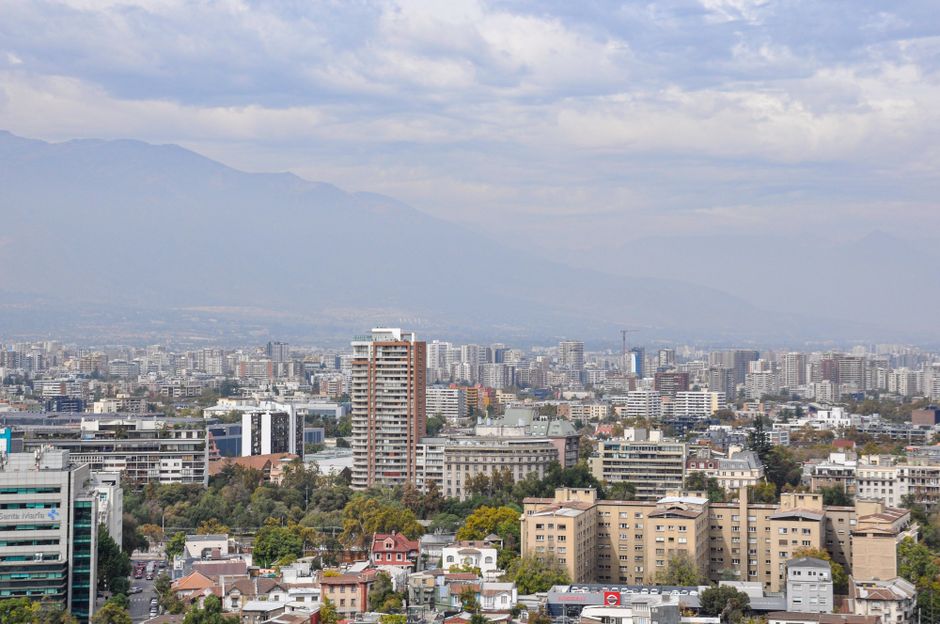
Walk through Parque Forestal on any weekday morning and you'll see cyclists, runners, and outdoor fitness enthusiasts in abundance. Yet behind this visible wellness culture lies a quieter reality: preventive health screening in Santiago lags significantly behind trends seen in developed nations, despite the city's otherwise sophisticated healthcare infrastructure.
Global wellness data consistently shows that regular preventive screenings—cardiovascular assessments, cancer screenings, metabolic panels, and bone density tests—reduce mortality by up to 30 percent when started by age 40. Countries like Spain, Germany, and Australia have embedded these protocols into national health systems. Chile's private healthcare sector, concentrated in upscale neighborhoods like Las Condes and Providencia, offers world-class diagnostic facilities. Yet uptake remains sporadic, particularly among middle-income Santiaguinos who avoid screenings until symptoms appear.
The economics tell part of the story. A comprehensive preventive checkup at leading private clinics along Avenida Andrés Bello costs between $300-500 USD—affordable for Santiago's upper-middle class but prohibitive for many. Public health options exist through FONASA, Chile's national insurance fund, but waiting lists frequently exceed four months. This gap means preventive screening becomes a luxury good rather than a routine practice.
International wellness trends increasingly emphasize continuous monitoring—wearable devices, annual blood panels, imaging at 45-50 regardless of symptoms. Santiago's fitness culture has embraced the wearable revolution enthusiastically, yet this tech-forward mentality hasn't translated into scheduled clinical preventive care. Many Santiaguinos track their running performance via apps while delaying their last cholesterol check by years.
What's changing? Several private insurers have begun incentivizing preventive packages. Some employers in the financial district around Lastarria now subsidize annual screenings. The municipality of Santiago Centro has partnered with community health centers to offer subsidized cardiology and cancer-screening days, though awareness remains limited.
The contrast is stark: someone training regularly at Cerro San Cristóbal's fitness zones may possess excellent aerobic capacity while unknowingly carrying uncontrolled hypertension or elevated glucose levels. This mirrors a global pattern where lifestyle enthusiasts sometimes confuse activity level with actual health status.
For Santiaguinos serious about prevention, the recommendation remains straightforward: consult your local healthcare provider about age-appropriate screenings. Whether through private clinics or FONASA-affiliated centers, establishing a baseline and regular monitoring represents the most evidence-backed wellness investment available—far more valuable than any trendy supplement or high-altitude training camp.
This article was compiled by AI from the sources linked above and screened before publishing. See our editorial standards.