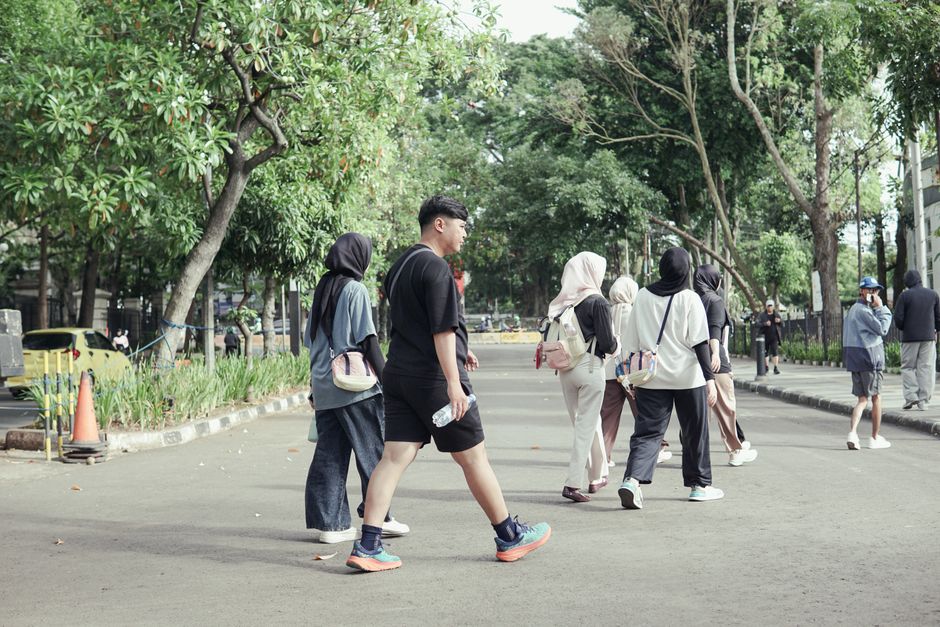
Walking through Parque Forestal on a Tuesday morning, you'll spot groups of older Santiaguinos moving with purpose: stretching near the eucalyptus trees, practicing tai chi on the grass, or jogging at a measured pace along the tree-lined paths. These aren't private fitness classes. They're part of Santiago's expanding network of free senior fitness programs, a municipal initiative that reflects a broader shift in how Chile's capital is approaching healthy ageing.
The Municipalidad de Santiago launched its formal "Programa de Actividad Física para Adultos Mayores" five years ago, but participation has nearly doubled since 2024, with current participation hovering around 3,500 registered seniors across the commune. The programme operates across 12 neighbourhood hubs, including popular sites in Ñuñoa, Providencia, and Lastarria, offering everything from low-impact aerobics to strength conditioning and aquatic fitness at municipal pools.
What makes this initiative compelling isn't just its zero-cost model—it's the accessibility embedded into each programme. Classes run during morning hours when temperatures remain moderate, acknowledging Santiago's summer heat. Many sessions take place in established green spaces like Cerro San Cristóbal's lower trails, where terrain is manageable and shade abundant. The council employs certified kinesioterapeutas and instructors trained specifically in geriatric fitness, ensuring modifications for arthritis, balance concerns, and cardiovascular limitations.
María, a 68-year-old from Barrio Brasil who began attending sessions in 2024, represents the demographic the council hopes to reach: older adults who might otherwise remain sedentary due to cost barriers or social isolation. Private gym memberships in Santiago average 45,000 to 75,000 pesos monthly—a significant expense for pensioners receiving average monthly payments of around 330,000 pesos.
The municipal health department reports that participants in free programmes show measurable improvements: increased bone density markers, better balance metrics, and notably, reduced social isolation. A 2025 internal assessment found that 67% of participants reported improved mood and sleep quality within three months.
Registration happens year-round at neighbourhood health centres (consultorios) throughout Santiago. The next intake begins in July. While municipal programmes don't replace personalised medical advice—particularly for those managing chronic conditions—they represent a democratic approach to preventive health.
For seniors interested in joining, contact your local consultorio in Ñuñoa, Providencia, or Lastarria, or visit the Municipalidad's wellness division office near Plaza de Armas.
This article was compiled by AI from the sources linked above and screened before publishing. See our editorial standards.