If you've been dragging yourself through afternoons, snoring loudly enough to disrupt your household, or waking at 3 a.m. unable to fall back asleep, you're far from alone. Sleep disorders affect roughly 40% of the Chilean population, according to recent data from the Sleep Medicine Society of Chile, yet many residents remain unaware of the specialised resources available right here in Providencia.
The Centro de Medicina del Sueño, located on Avenida Andrés Bello in the heart of Providencia, has quietly become Santiago's go-to facility for sleep assessment and lifestyle-based interventions. What makes it particularly valuable for wellness-conscious santiaguinos isn't just the diagnostic capabilities—polysomnography, actigraphy, and multiple sleep latency testing—but the facility's emphasis on non-pharmaceutical approaches first.
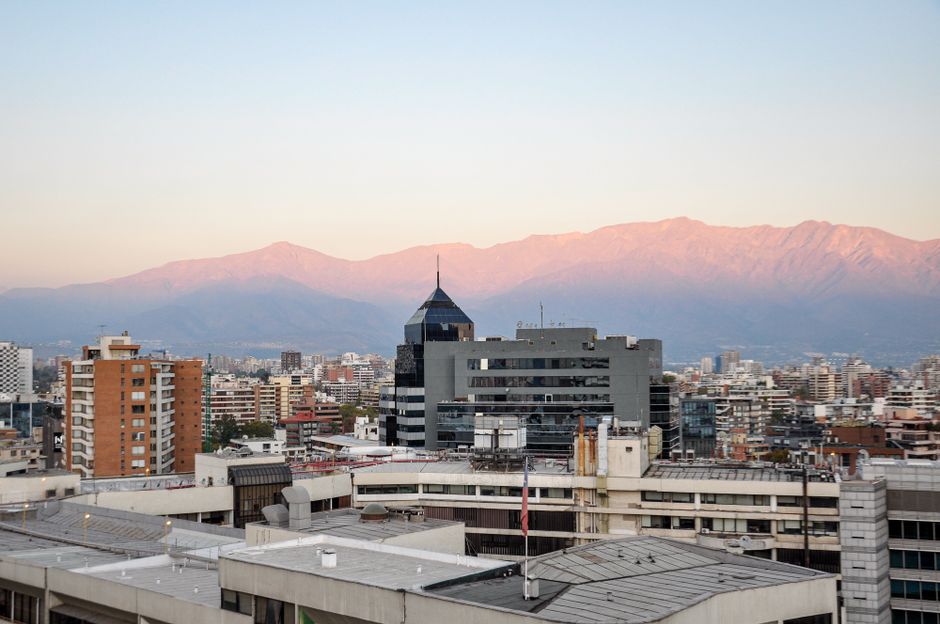
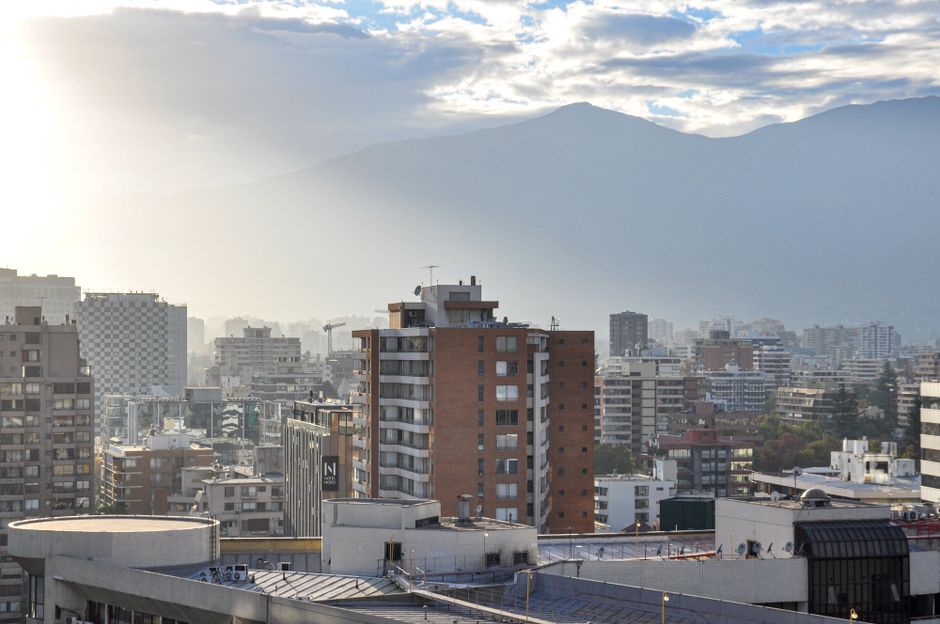
Sleep specialists there work with patients on circadian rhythm alignment, particularly helpful given Santiago's variable light exposure depending on whether you live near the Andes foothills or deeper in the city. They've developed protocols specifically accounting for local lifestyle factors: the impact of late-night asados on sleep quality, strategies for maintaining sleep consistency during Chilean summer's extended daylight, and how to integrate exercise at Cerro San Cristóbal or Parque Forestal into sleep-promoting routines without timing workouts too close to bedtime.
A consultation typically costs between 150,000 and 200,000 pesos for initial assessment, with most private health plans (Fonasa supplementary coverage and major isapres) offering partial reimbursement. More importantly, the centre offers group workshops on sleep hygiene and lifestyle modification quarterly, often at reduced cost—a practical option for those wanting education before pursuing formal diagnosis.
The facility also maintains a strong referral network with local nutritionists who understand how Chile's abundant fresh produce markets can support sleep-promoting diets, and collaborates with physiotherapists familiar with Santiago's active cycling and running communities. This matters: poor sleep often reflects lifestyle imbalance rather than pure pathology, and addressing it requires understanding your specific context.
For anyone struggling with rest quality, the Centro represents a more nuanced starting point than assuming you need medication. Whether your issue stems from shift work, stress-related hyperarousal, or simply never learning proper sleep foundations, having access to specialists who understand Santiago's particular rhythms and culture makes meaningful difference.
Start with a consultation. Many people find that structured assessment—even without diagnosable disorder—provides clarity worth far more than another sleepless night.
This article was compiled by AI and screened before publishing. See our editorial standards.