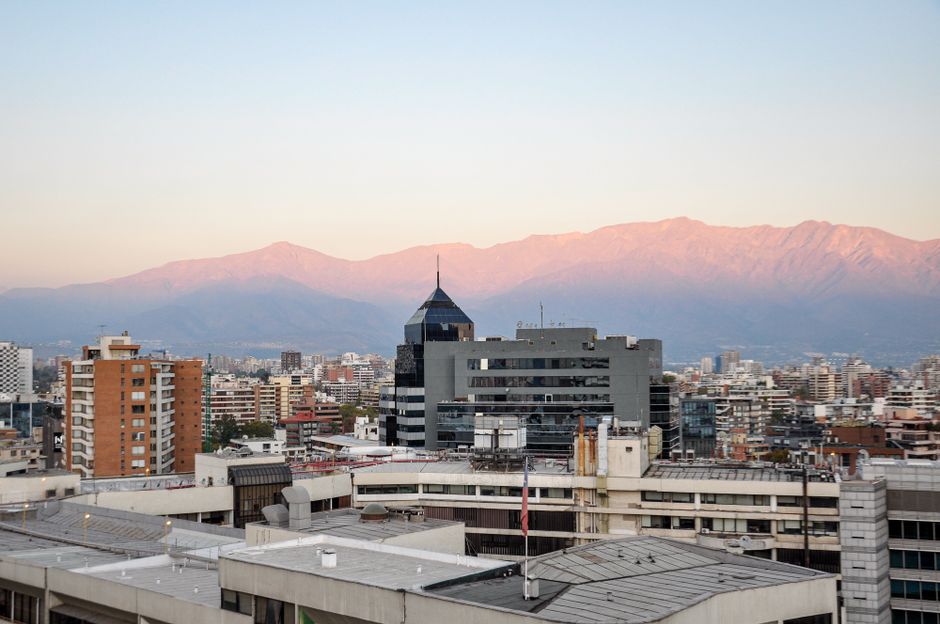
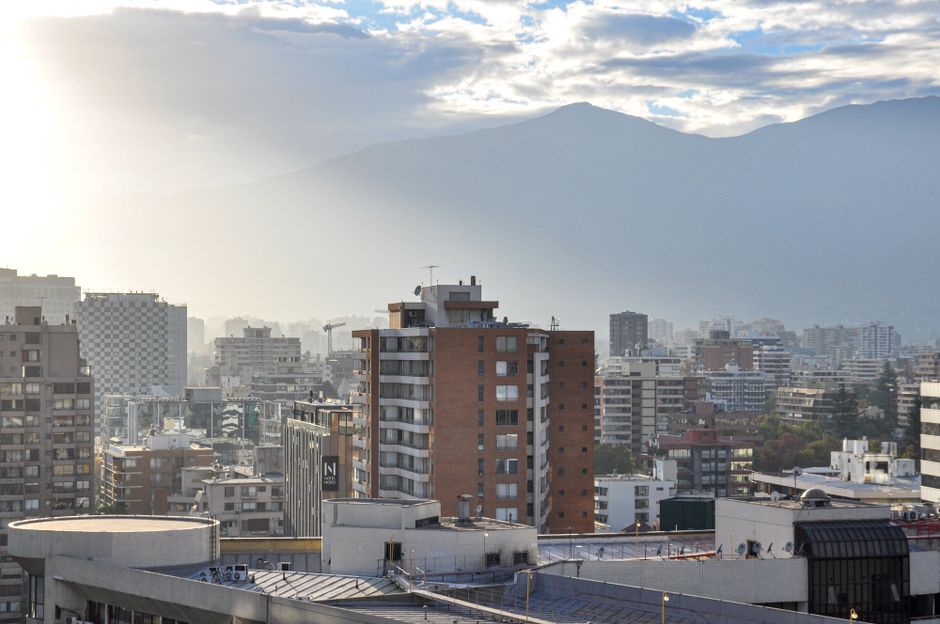
Walk through Parque Forestal on any given morning, and you'll witness a transformation quietly reshaping Santiago's relationship with fitness. Joggers in technical gear weave between century-old trees, while cycling groups tackle the gentle slopes near Avenida Bernardo O'Higgins. This isn't merely coincidence—Santiago is experiencing a genuine surge in outdoor running culture, driven by a confluence of accessible terrain, improving infrastructure, and a growing community committed to moving beyond the confines of gym memberships.
The numbers tell a compelling story. Local running clubs have reported membership increases of 30–40% over the past three years, with groups like those organising weekly circuits through Parque Metropolitano now regularly attracting 100+ participants per session. Cerro San Cristóbal, long a symbol of Santiago's outdoor identity, has become an unlikely hub for interval training enthusiasts and trail runners seeking elevation gains within city limits. The 860-metre peak offers multiple entry points—from the accessible routes near Plaza de Armas to more challenging paths through native forest zones—making it a genuinely inclusive destination.
What's driving this shift? Part of the answer lies in geography. Santiago's valley location provides natural running corridors that feel removed from traffic and urban density. Parque Forestal's three-kilometre tree-lined pathways offer a European-style escape; the Mapocho riverbanks present emerging opportunities for longer training runs; and neighbourhoods like Ñuñoa and Providencia increasingly feature dedicated cycling and pedestrian infrastructure that encourages active commuting.
Local wellness professionals report seeing runners of all abilities—from recreational joggers prioritising mental health benefits to serious athletes training for marathons and ultramarathons in the Andes. The democratisation of fitness apps and wearable technology has lowered barriers to entry, while Santiago's excellent fresh produce markets fuel the recovery nutrition trend accompanying this movement.
Community organisations have responded accordingly. Running stores along Avenida Santa María now offer gait analysis and fitting services previously unavailable outside private clinics. Weekend running groups meet at various neighbourhoods, creating social cohesion alongside cardiovascular benefits.
Challenges remain. Air quality variations during certain months still deter outdoor running for vulnerable groups. Infrastructure gaps persist in outer zones. Yet the trajectory is unmistakable: Santiago is reclaiming its outdoor spaces as wellness destinations, one trail at a time.
For those interested in joining this movement, local running clubs welcome newcomers year-round. Always consult a healthcare provider before beginning any new exercise programme.
This article was compiled by AI and screened before publishing. See our editorial standards.