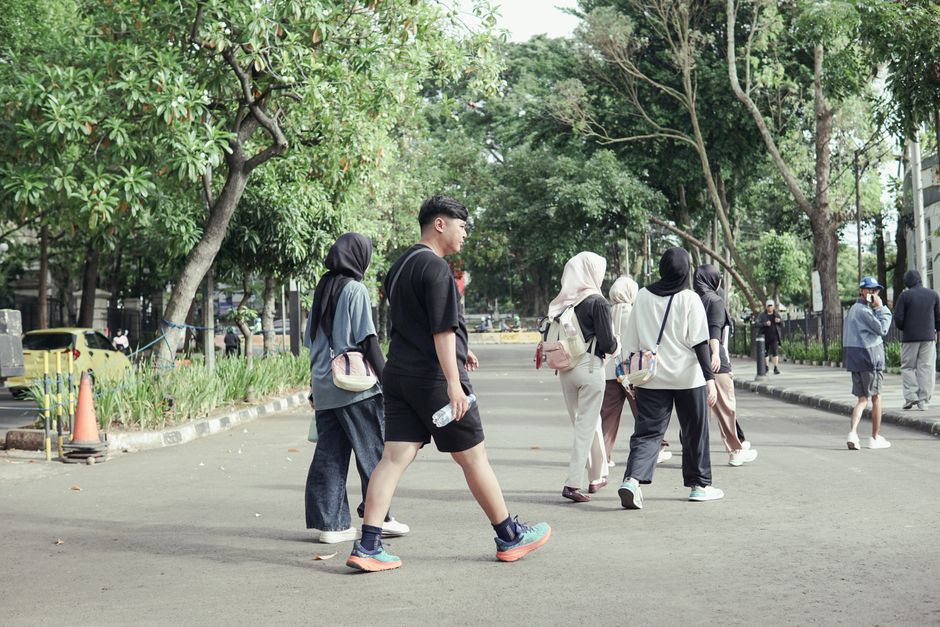
Walk through Parque Forestal on any given morning and you'll notice a subtle shift in how the city moves. Between the cyclists powering along Avenida Santa María and joggers circling the park's tree-lined paths, there's a growing contingent sitting quietly on benches, eyes closed, engaged in what wellness practitioners call mindfulness—a practice that's quietly transformed Santiago's approach to stress management over the past 18 months.
The trend reflects a broader recognition that mental health deserves the same attention Santiaguinos have long devoted to physical fitness. According to recent data from Chile's Colegio de Psicólogos, demand for mindfulness-based interventions in the metropolitan region has increased by 43% since 2024. Studios offering meditation classes have sprouted across neighbourhoods: Lastarria now hosts at least six dedicated mindfulness centres, while Las Condes has become a hub for corporate wellness programs integrating stress reduction into employee benefits.
"We're seeing professionals aged 30 to 55 prioritising mental clarity the way they once prioritised gym memberships," explains one wellness sector observer of Santiago's shifting priorities. The price point reflects growing accessibility—group meditation sessions in studios near Baquedano metro station typically cost between 8,000 and 15,000 pesos, while longer workshops in upscale neighbourhoods can reach 25,000 pesos per session.
What's particularly Santiago about this wellness moment is how it's integrated with the city's existing outdoor culture. Rather than replacing activities like cycling through Cerro San Cristóbal or running in Parque Metropolitano, mindfulness has become a complementary practice—many fitness enthusiasts now pair physical exertion with meditation or breathing work as part of their holistic routine.
Local healthcare providers, including Chile's robust private health sector, have taken notice. Several clinics in the Providencia and Ñuñoa areas now offer mindfulness-based stress reduction (MBSR) programs as adjunct treatments, recognising that urban living in Santiago's sprawling metropolitan area creates particular pressures: traffic congestion, air quality concerns, and the competitive professional environment.
For residents navigating Santiago's intensity, the appeal is clear: mindfulness offers a tool that requires no special equipment, no gym membership, and—crucially—can be practised almost anywhere, from a quiet corner of your apartment in the barrio to a park bench overlooking the city's skyline.
As with any wellness trend, it's worth consulting with local healthcare professionals about what stress management approach suits your individual needs.
This article was compiled by AI and screened before publishing. See our editorial standards.