How to start a walking group in your neighbourhood
Santiago's vibrant barrios are perfect for building community fitness one step at a time—here's how to organise your own neighbourhood walking group.
Santiago's vibrant barrios are perfect for building community fitness one step at a time—here's how to organise your own neighbourhood walking group.
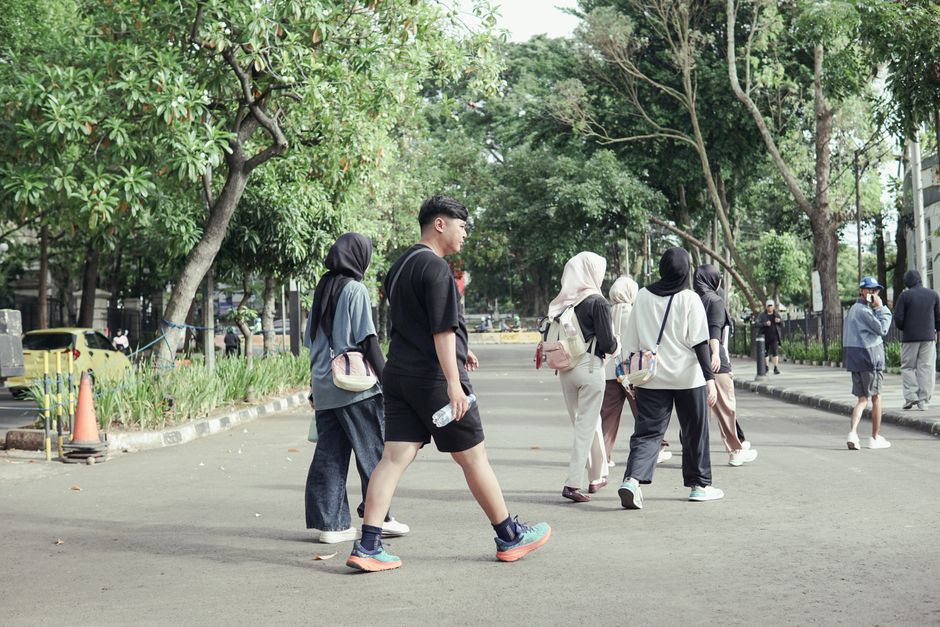
Walking might seem like the simplest form of exercise, yet it's also one of the most effective for building community. Whether you live in Ñuñoa, Providencia, or La Florida, starting a neighbourhood walking group requires minimal investment but delivers genuine social and health benefits. The beauty lies in its accessibility: no gym membership needed, no expensive equipment, just consistent movement and neighbourhood connection.
Begin by identifying your natural walking territory. Those living near Parque Forestal have obvious advantages, but every Santiago barrio has potential routes. Residents in Lastarria might loop through the cobblestoned streets and vintage plazas, while Vitacura offers tree-lined avenues perfect for varied-pace groups. The key is choosing a route that feels sustainable and safe. Walk it yourself first, noting parking availability, street lighting, and water fountains—practical details that matter when you're coordinating 8-15 people.
Recruitment happens organically through neighbourhood channels. Start with your building's community board, local Facebook groups dedicated to your sector, or even conversations at nearby ferias. Many Santiaguans already prioritise outdoor fitness; they're simply looking for structure and companionship. Set a clear meeting time—Saturday mornings at 8am tend to work best for families—and define your walking pace. A mixed-ability group works if you're transparent: perhaps 30 minutes at a moderate pace, welcoming everyone from fitness enthusiasts to those rebuilding routine after health challenges.
Consider partnering with local organisations. Some municipalities in Santiago offer free fitness programs or can promote your group through their community centres. Invest in one basic tool: a simple WhatsApp group for coordination, weather updates, and route changes. This costs nothing yet dramatically improves consistency.
Safety matters. Ensure your route avoids high-traffic intersections during peak hours, and encourage members to wear visible clothing. In winter months, start earlier to maximise daylight. If your group grows beyond 15 people, consider splitting into two sessions or loops of varying difficulty.
The financial barrier is virtually non-existent. A suggested small monthly contribution (perhaps $3-5 USD equivalent) can cover occasional refreshments at a local café afterwards—extending the social benefit beyond the walk itself. This post-walk gathering at a neighbourhood coffee shop or juice bar transforms the experience from mere exercise into genuine community building.
Starting a walking group requires patience more than capital. Your first walk might attract three people; by month three, you could have twelve regulars. The consistency matters more than the numbers. In a city where many feel time-pressed and isolated despite living in close quarters, a neighbourhood walking group becomes something quietly powerful: structured wellness, genuine connection, and reclaimed neighbourhood space, all wrapped into one simple, sustainable habit.
This article was compiled by AI and screened before publishing. See our editorial standards.
How does this story make you feel?
Spread the word
About this article
Published by The Daily Santiago
Daily brief
Free, in your inbox before 7am. Weekdays.
More in Wellness
